
A grand jury indicted a retired New York City detective for a deadly George Washington Bridge shooting after investigators tied his SUV to a near-collision and a single fatal shot on the upper level.
Story Snapshot
- Investigators say surveillance showed a near-collision before the fatal shot on the bridge.
- Police found a bullet hole in the rear glass; the driver crashed and died at the scene.
- Detectives linked a black Range Rover to the suspect through bridge cameras.
- A grand jury returned a second-degree murder indictment after initial charges.
What Happened On The Bridge
Investigators said two vehicles nearly collided before a fatal shooting on the George Washington Bridge around 7:18 p.m. on October 20, 2026. Traffic moved toward New Jersey on the upper level when the gunfire struck a driver who then crashed and died. ABC News reported that surveillance video documented the near-collision just before the shot, based on accounts from investigators and the Port Authority Police Department. NBC News placed the timing and location and framed the case as an apparent road-rage shooting.
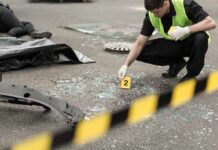
Police sources described physical evidence that pointed to a shot from behind or alongside the victim’s car. Officers found a bullet hole through the rear windshield or rear passenger-side window. The wounded driver was discovered unconscious and unresponsive in the seat after the vehicle continued forward and hit another object on the span. That pattern fits a moving-vehicle encounter where a split second can raise danger for everyone nearby, including families crossing one of the busiest bridges in America.
How Detectives Identified A Suspect
Detectives used surveillance cameras to trace a black Range Rover seen at the scene, then tied that vehicle to retired New York City detective Victor Romero. The New York Daily News reported the link from bridge cameras to Romero, who later surrendered to police. ABC News likewise cited surveillance video in the identification. That chain of evidence connected the roadway encounter to a named suspect within hours and gave prosecutors a base to file charges. ABC News later reported a grand jury indictment.
Authorities initially charged Romero with manslaughter, then a Manhattan grand jury indicted him for second-degree murder after more review. Prosecutors said the indictment followed an “extensive ongoing investigation.” That escalation signaled that officials did not accept a simple self-defense theory at face value. An indictment is not a conviction, and Romero is presumed innocent, but the charge shows how seriously the state views gunfire on crowded roads.
What The Evidence Shows—And What It Does Not
The public record shows a near-collision, a moving-vehicle setting, a rear-glass bullet path, and quick surveillance-based identification of the suspect vehicle. The record does not show that the victim had a weapon or posed an immediate deadly threat at the moment the shot was fired. Reports do not cite a recovered weapon, a second attack, or a clear imminent threat standard. That gap matters because New York’s self-defense law turns on who started the force and whether deadly force was necessary right then.
Prosecutors and the victim’s family have used stronger language. ABC7 reported that prosecutors said surveillance video showed Romero tailgating, pulling alongside, and firing through the rear passenger window. Family members called the act intentional and reckless. Those are allegations, not proof, and they will be tested in court. Still, they explain why the case advanced to a murder indictment and why public pressure remains high for full video release.
Why This Case Hits Home For Drivers
Gunfire on highways endangers families, truckers, and police alike. Moving cars leave no margin for error. A single shot can cause a multi-car crash. The surge in road-rage shootings over the last decade shows how fast tempers now jump to violence, with hundreds shot in reported incidents across the country. Conservatives value order, personal responsibility, and equal justice. That means we demand facts, full footage, and a fair trial—plus tough penalties if guilt is proved.
Accountability And Next Steps
Authorities should release and authenticate the bridge videos that captured the approach, the near-collision, vehicle positions, and the instant of the shot. A timeline would help the public understand who escalated and when. Prosecutors also control 911 calls, dispatch logs, and forensic reports that could show speeds, distance, and bullet paths. Transparency curbs rumor, supports due process, and reinforces trust that justice is blind, not swayed by headlines or old badges.
Bottom Line For Readers
A father of two is dead, and a retired detective faces a murder trial. The facts so far support a dangerous roadway clash and a shot into a car’s rear glass, followed by a crash. The state argues the suspect pursued and fired. The defense has not publicly laid out a full self-defense case. We should insist on all the evidence, condemn hot-headed driving, and back firm, fair justice that keeps our roads safe and our rights intact.
Sources:
nypost.com, lohud.com, abcnews.com, freep.com, nydailynews.com, fox5ny.com, newsday.com, nycourts.gov