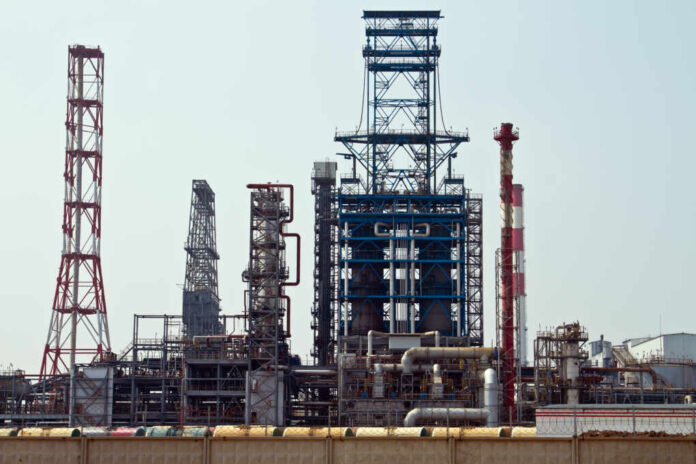
The conflict escalated dramatically as Ukrainian drones successfully targeted a Russian oil depot deep within enemy territory, igniting a massive blaze. This long-range strike followed a deadly Russian missile and drone barrage on Kyiv that killed at least four civilians and crippled energy infrastructure. The attacks demonstrate Ukraine’s growing capacity to impose economic costs on Moscow’s war effort and expose critical vulnerabilities in Russia’s ability to protect its rear-area infrastructure.
Story Highlights
- Ukrainian drones ignited massive fire at Volgograd oil depot, hundreds of miles from the front lines.
- Attack came after Russian missile barrage killed at least 4 in Kyiv and left half the city without heating.
- Russia deployed hypersonic missile near NATO border for only second time in the war.
- Strike demonstrates Ukraine’s expanding ability to hit Moscow’s war revenue sources deep in Russian territory.
Ukraine Strikes Back at Putin’s War Machine
Ukrainian drones successfully targeted the Zhutovskaya oil depot in Russia’s southern Volgograd region, igniting a massive blaze that forced potential evacuations of nearby residents. The facility reportedly supplied fuel directly to Russian military forces, making it a legitimate military target under international law. Regional Governor Andrei Bocharov confirmed no immediate casualties but acknowledged the significant fire required ongoing firefighting efforts. This strike demonstrates Ukraine’s growing capacity to hit critical infrastructure hundreds of miles inside Russian territory.
The depot attack represents part of Ukraine’s systematic campaign to impose what officials call “long-range sanctions” on Russia’s oil sector. Ukraine has increasingly targeted Russian energy infrastructure since August 2024, recognizing that oil and gas exports provide substantial revenue funding Moscow’s war effort. Previous successful strikes hit facilities in Kostroma, Lipetsk, and Belgorod regions, creating ammunition detonations and fuel depot fires that disrupted Russian military logistics.
Earlier this evening Ukrainian drones struck the oil depot in Streletskie Khutora, Lipetsk region in Russia. Loud explosions followed by a large fire was recorded at the site. Geolocated at 52.098541547343025, 39.727541116295846 pic.twitter.com/fYqZf8LV1m
— raging545 (@raging545) January 6, 2026
Russia’s Deadly Escalation Against Civilians
Russia launched a massive missile and drone barrage against Ukraine overnight Friday, deploying hundreds of drones and dozens of missiles that struck 19 locations nationwide. The assault killed at least four civilians in Kyiv and damaged critical energy infrastructure across the country. Moscow’s forces deliberately targeted Ukraine’s power grid during freezing winter conditions, leaving approximately half of Kyiv’s residential buildings without heating as temperatures dropped below negative 10 degrees Celsius.
For only the second time during the full-scale invasion, Russia employed a hypersonic missile against targets in western Ukraine’s Lviv region, dangerously close to the Polish border. This escalatory move prompted condemnation from European leaders who called the strike “escalatory and unacceptable.” Ukraine’s foreign minister announced an emergency UN Security Council meeting scheduled for January 12th to address Russia’s use of advanced weaponry near NATO territory, highlighting the growing international concern about spillover risks.
Strategic Impact on Russia’s War Economy
Ukraine’s persistent targeting of Russian oil infrastructure creates substantial economic pressure on Moscow’s war financing. The attacks increase security and insurance costs for Russian oil logistics while creating potential bottlenecks in fuel distribution to military units. Intelligence sources credit Ukraine’s Security Service elite “Alpha” special forces unit with conducting similar deep-strike operations against Russian ammunition arsenals and energy facilities, demonstrating sophisticated operational capabilities.
These strikes enhance Ukraine’s deterrent value and bargaining position in any future settlement negotiations by proving the country can impose costs far from front lines. Russia’s inability to protect critical rear-area infrastructure exposes vulnerabilities in Moscow’s security narrative and complicates their strategic planning. The systematic campaign against Russian energy assets represents a form of asymmetric warfare that leverages Ukraine’s technological innovations against Russia’s larger conventional military advantages.
Watch the report: Massive FIRE at Russian oil base after bold Ukrainian drone attack
Sources:
- Ukrainian drones targeting energy infrastructure spark fire in Russian oil depot
- Russian oil depot fire after Ukrainian drone strike as UN to meet over hypersonic missile attack
- Ukrainian deep-strike drones hit Russian ammo, oil security official
- Russian Offensive Campaign Assessment, January 9, 2026