The Trump administration has delivered a decisive blow to narco-terrorists terrorizing Ecuador, launching joint military operations that dismantle drug trafficking routes threatening both American communities and an allied nation drowning in cartel violence.
Story Snapshot
- US Air Force personnel deployed to Ecuador’s Manta base in March 2026 for joint anti-cartel operations
- Los Loos and Los Chonos gangs designated as foreign terrorist organizations, enabling direct military engagement
- Operations proceed despite Ecuadorian voters rejecting constitutional amendment for foreign military bases
- Broader Trump administration campaign across Latin America results in aggressive anti-drug enforcement killing 95 suspected traffickers
Trump Administration Takes Fight Directly to Cartels
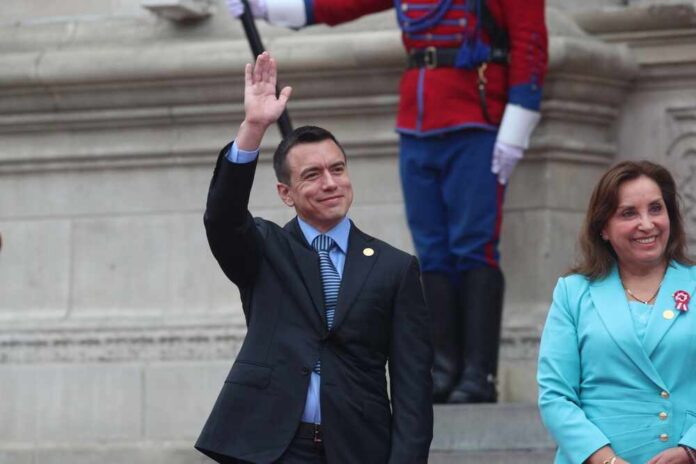
President Daniel Noboa announced March 2, 2026, that joint operations with the United States entered a “new phase” in Ecuador’s war against drug cartels. US Air Force personnel deployed to Ecuador’s Manta air force base operate under a “temporary operation” framework designed to enhance Ecuadorian military capacity while circumventing constitutional restrictions on permanent foreign bases. This represents exactly the kind of creative, results-oriented approach Americans elected Trump to pursue—finding ways to get the job done despite bureaucratic obstacles that previously hamstrung effective action against threats to national security.
Ecuador’s Transformation From Safe Haven to Cartel Battleground
Ecuador descended from one of South America’s safest countries into a deadly war zone as drug cartels exploited its strategic ports in Guayaquil and Manta to export cocaine from Colombia and Peru. The gangs Los Loos and Los Chonos orchestrated prison massacres and seized territorial control through brutal violence. Secretary of State Marco Rubio’s September 2025 designation of these organizations as foreign terrorist groups provided the legal framework for expanded US intervention, enabling authorities to seize assets, cut financing, and pursue joint military operations. The capture and extradition of Los Loos leader Jose Dulo Masias in June 2025 demonstrated that cooperation between sovereign nations produces results when both sides commit to defeating common enemies.
Constitutional Workarounds Enable Necessary Security Cooperation
Ecuadorian voters overwhelmingly rejected President Noboa’s November 2025 referendum to lift the constitutional ban on foreign military bases, creating a political constraint on expanded US cooperation. However, the “temporary operation” designation with Ecuador’s Air Force represents a pragmatic solution that respects democratic processes while addressing urgent security needs. The Manta base previously hosted US operations until 2009, establishing historical precedent for bilateral cooperation. This approach demonstrates how elected leaders can navigate domestic political opposition to implement policies protecting citizens from violent criminal organizations. President Noboa stated the operation “will allow us to identify and dismantle drug trafficking routes, and subdue those who thought they could take over the country.”
Regional Campaign Demonstrates Renewed American Strength
The Ecuador deployment forms part of a broader Trump administration offensive against Latin American drug trafficking networks. Massive US naval and air forces deployed across Caribbean and Pacific waters have engaged dozens of vessels allegedly running drugs, resulting in at least 95 deaths from bombing operations. Trump announced a blockade of sanctioned oil tankers transporting Venezuelan oil, intensifying economic pressure on Venezuela’s government accused of facilitating drug trafficking. This muscular approach contrasts sharply with previous administrations’ tolerance for criminal organizations destabilizing our hemisphere. The operations enhance intelligence gathering and anti-drug trafficking capabilities throughout Ecuador’s military forces, potentially disrupting established routes that flood American streets with deadly narcotics and fund terrorist organizations.
Long-Term Implications for Hemispheric Security
The joint operations establish important precedents for future US security partnerships in nations with constitutional constraints on foreign military presence. Deepening US-Ecuador integration shifts regional power dynamics while confronting Venezuelan influence in drug trafficking networks. Criminal organizations will likely adapt their operations in response to enhanced pressure, potentially displacing rather than eliminating trafficking, which underscores the need for sustained commitment rather than temporary gestures. Port communities in Guayaquil and Manta will experience increased military activity, though reduced cartel violence should improve public safety for ordinary Ecuadorians terrorized by gangs. The framework developed here could serve as a model for cooperation with other allied nations facing similar internal threats from transnational criminal organizations that leftist policies previously allowed to flourish unchecked.
Sources:
US Deploys Troops to Ecuador for Anti-Drugs Operation – The Defense Post
US Deploys Troops to Ecuador for Anti-Drugs Operation – Le Monde
Ecuador Launches Joint Operations With United States – NAMPA/AFP
Ecuador is Preparing for US Forces as Noboa Calls for Help Battling Gangs – ABC17 News