Trump’s promise to avoid new wars is colliding head-on with a widening Iran conflict—and the cracks are showing inside the MAGA coalition.
At a Glance
- Trump publicly signaled confidence in a nuclear deal with Iran in May 2025, but negotiations stalled and the deadline passed without agreement.
- Key U.S. demands—complete dismantlement plus tighter limits beyond the old JCPOA—ran into Tehran’s insistence that enrichment is non-negotiable.
- Mixed messaging inside the administration on whether Iran could retain a civilian enrichment program weakened negotiating clarity.
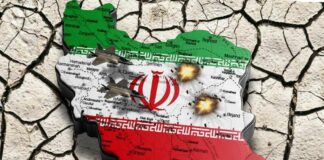
- Israel’s strikes on Iranian sites after the deadline helped ignite a broader war, raising pressure for deeper U.S. involvement.
Trump’s “close to finalizing” moment—and what it revealed
President Trump’s May 27, 2025, remark that the U.S. was “doing extremely well” in negotiations, paired with the warning that “you never know with Iran,” captured the tension that still defines this conflict. The White House sought a tougher replacement for the Obama-era JCPOA, emphasizing strict inspections and permanent constraints rather than temporary “sunset” limits. Iran’s top officials publicly projected skepticism, and no deal emerged before deadlines tightened.
For conservative voters who backed Trump to end the era of open-ended Middle East interventions, that moment now reads differently. The issue was never “talks versus strength”; it was whether the United States could secure an enforceable agreement without sliding into another war. The record in the research shows optimism, deadlines, and leverage—but also predictable Iranian resistance and growing outside pressure that made failure more likely as the clock ran out.
Why these talks weren’t the old JCPOA—and why they still broke down
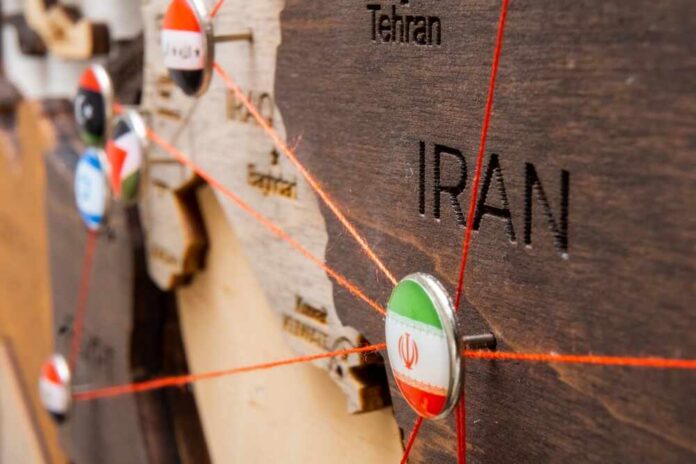
The 2025–2026 negotiating framework demanded more than the 2015 agreement. Trump’s team pushed for complete nuclear dismantlement and wanted missiles and proxy activity addressed, aiming to close loopholes conservatives long criticized. The administration also revived “maximum pressure” sanctions in early 2025, including efforts to drive Iranian oil exports toward zero. Those terms were designed to avoid repeating a deal that limited enrichment temporarily while leaving regional aggression untouched.
Iran’s position, however, remained rigid where it mattered most: enrichment. Iranian negotiators signaled that enrichment was not up for negotiation and that sanctions relief—especially banking and trade access—needed credible guarantees. The research also flags a central contradiction: Trump repeatedly insisted on total dismantlement, while other administration voices hinted Iran might keep a limited civilian program. That split matters because adversaries exploit ambiguity, and allies doubt commitments when red lines shift.
How the deadline passed—and why war followed
The timeline in the research points to a compressed, high-stakes sprint: a letter to Iran’s supreme leader with a compliance window, talks beginning in April 2025, and escalating demands into May. When the deadline expired without agreement, the next phase wasn’t “more diplomacy”—it was escalation. Israel attacked Iranian sites after the deadline, and the research frames that strike sequence as a key trigger for the wider war now consuming U.S. attention, resources, and political bandwidth.
One limitation is that the war’s spark and sequencing are most explicitly detailed in the negotiations timeline source, while other sources focus more on the broader nuclear-history context and policy disputes. Even with that constraint, the pattern is consistent: diplomacy failed, the regional military balance tilted toward preemption, and Washington’s room for maneuver shrank. Once strikes started, energy markets and regional security risks surged—exactly the kind of cascading fallout voters remember from previous interventions.
The MAGA split: support for Israel vs. “no more regime-change” reality
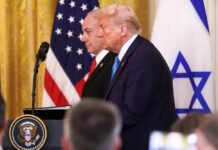
The research identifies Israel as a major stakeholder and potential spoiler, with reports of tension between Trump and Netanyahu over strike plans. That matters politically because many Trump voters strongly support Israel while also rejecting the idea that America should be pulled into another open-ended conflict. The uncomfortable question emerging inside the base is not whether Israel has security concerns; it is whether U.S. policy is being set by American interests—or by the momentum of allied escalation.
The constitution-first concern for conservatives is straightforward: war policy expands federal power fast, often with minimal transparency and long-term consequences. While the provided research does not detail domestic legal measures, history shows wartime posture commonly increases surveillance, emergency spending, and executive discretion. For voters already angry about inflation, high energy costs, and Washington’s habit of writing blank checks abroad, the Iran war reignites an old demand: define the mission, set limits, and stop drifting into forever-war logic.
Sources:
What Is the Iran Nuclear Deal?
United States and Iran Begin Nuclear Talks
President Donald J. Trump Is Ending United States Participation in an Unacceptable Iran Deal
Trump exits the Iran nuclear deal