President Trump finds himself trapped in an escalating Iran conflict with no clear exit strategy, as Israeli strikes continue to sabotage diplomatic efforts while American families face skyrocketing gas prices and the specter of another endless Middle East war.
Story Snapshot
- Israeli military operations intensify as White House pursues ceasefire negotiations through Pakistan intermediaries
- Iran’s blockade of the Strait of Hormuz chokes off 20% of global oil supply, triggering energy price surge across America
- Trump signals willingness to “wind down” conflict if shipping lanes reopen, but faces resistance from Netanyahu government
- U.S. airstrikes fail to achieve decisive victory while Iran retaliates against Gulf infrastructure hosting American forces
Trump’s Promise of Peace Meets Middle East Reality
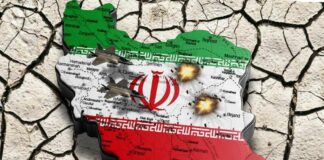
President Trump campaigned on keeping America out of new wars, yet finds his administration locked in monthlong hostilities with Iran that show no signs of abating. The conflict centers on Iran’s closure of the Strait of Hormuz, a critical waterway carrying one-fifth of the world’s oil supply. While Trump publicly claims Iran’s president wants a ceasefire contingent on reopening the strait, the White House simultaneously threatens to “unleash hell” if negotiations fail. This mixed messaging reveals an administration caught between campaign promises and the harsh realities of Middle East entanglements that conservative voters explicitly rejected.
Israel Accelerates Military Campaign Despite Diplomatic Push
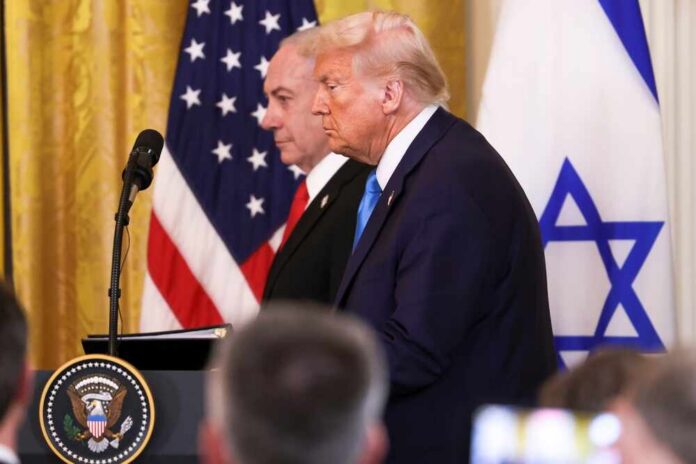
Israeli forces killed an Iranian Revolutionary Guard Corps naval commander overnight, even as Trump’s team arranged indirect talks through Pakistan. Prime Minister Netanyahu’s government opposes any negotiated settlement that would leave Iran’s military infrastructure intact, pushing instead for continued attrition or outright regime collapse. This creates a fundamental split between American and Israeli objectives: Trump seeks an off-ramp to reopen shipping lanes and calm domestic gas prices, while Israel views any pause as allowing Tehran to regroup. The assassination of Hassan Nasrallah and successful operations against Hezbollah convinced Netanyahu that similar tactics could work against Iran, a calculation that underestimates Iranian resilience and popular support during foreign invasion threats.
Economic Warfare Replaces Military Victory
Iran rejected a U.S. 15-point plan last week, choosing instead to leverage economic disruption over battlefield surrender. Iranian forces have targeted American military installations and critical infrastructure across Gulf states, including energy grids and desalination plants. Tehran threatens catastrophic retaliation if U.S. forces attempt to occupy Kharg Island, Iran’s primary oil export terminal. The sanctions relief granted in March 2026 strengthened Iran’s position, providing economic breathing room while global oil markets spiral. American consumers now pay the price at the pump for a conflict that delivers neither decisive victory nor clear strategic benefit, precisely the kind of globalist misadventure that eroded trust in Washington’s foreign policy establishment.
Constitutional Concerns Mount Over War Authorization
The expanding military operations raise fundamental questions about congressional authority under Article I of the Constitution, which grants war-making powers to the legislative branch, not the executive. Trump’s administration conducts airstrikes and contemplates potential ground operations without formal congressional authorization, continuing a pattern of executive overreach that conservatives have criticized across multiple administrations. The prospects of occupying Iranian territory or expanded strikes on uranium facilities would represent major escalatory steps undertaken without the deliberative process the Founders intended. Meanwhile, American service members stationed in vulnerable Gulf positions face Iranian retaliation for decisions made in Washington and Jerusalem, not by their elected representatives in Congress.
The path forward remains unclear as Trump weighs humiliating negotiations against a risky invasion that military analysts warn is unfeasible given Iran’s terrain, population of 90 million, and nationalist sentiment during foreign threats. Energy prices continue climbing as the Hormuz blockade persists, creating domestic political pressure that may force Trump’s hand toward either capitulation or dangerous escalation. Conservative voters who supported Trump’s America First agenda now watch their president navigate the same Middle East quagmire that consumed previous administrations, raising urgent questions about who truly controls American foreign policy and whether campaign promises of peace can survive the realities of entrenched Washington interests and foreign influence.
Sources:
Israel is making sure Trump can’t find an off-ramp in Iran
Trump’s path forward on Iran will determine US-Israeli war alignment
White House Seeks Iran Off-Ramp
Trump claims Iran president wants ceasefire