German officials say the Berlin Pride attack was an Islamist terror assault, and the 21-year-old suspect is dead after a police confrontation.
Story Highlights
- Police say a 21-year-old Islamist suspect rammed a crowd and later died in a shootout.
- Germany’s interior minister labeled the attack Islamist terror after the manhunt ended.
- Authorities reported one dead and dozens injured during the Pride festivities.
- Investigators say the suspect was known within Berlin’s Islamist circles.
Police Identify Suspect And Declare Islamist Terror Motive
Berlin police published a photo and identified the suspect as a 21-year-old Islamist man after a van rammed a crowd near Pride events on Saturday night. Officers urged the public to help locate him while confirming one dead and many injured. Officials said the case was being handled as Islamist terror based on evidence gathered during the first day of the probe. That official framing set the tone for the manhunt and the response that followed.
Germany’s interior minister said the facts pointed to an Islamist extremist terror attack. The minister’s statement put federal weight behind the terror label while local police worked the scene and searched for the suspect. The point was clear: this was not random violence. The early call matched what reporters heard from investigators on the ground, even as full motive details remained under review due to ongoing forensic and witness work.
Deadly Attack At Pride Festivities And A Rapid Manhunt
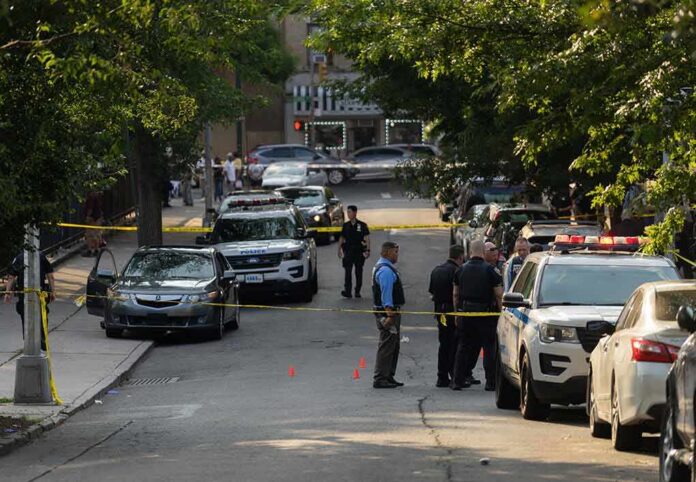
Authorities said the assault began when a vehicle struck people near Berlin’s Christopher Street Day events. Reports described a van ramming and later stabbing with a blade-like weapon, leaving one person dead and many injured during the evening crowd. Police broadcast the suspect’s image and warned residents as they expanded searches across the city. The public alert detailed that the man was linked to Islamist circles in Berlin and had been on the radar of authorities.
Media outlets reported the casualty count rising into the dozens as emergency crews treated victims and hospitals took in the wounded. The fast release of a suspect description signaled confidence in early evidence. That helped officers move quickly from scene control to targeted pursuit. The sequence followed a familiar pattern in Europe’s terror cases: triage, identification, public warning, and a tight dragnet around likely hideouts and transit points.
Confrontation In Berlin And The Suspect’s Death
Police located the suspect after an overnight search and moved in to arrest him. Officials said the operation ended in a confrontation that left the suspect dead. The closure of the manhunt allowed forensic teams to shift focus toward devices, digital traces, and contacts that could show planning or possible helpers. Investigators continued interviews with witnesses and reviewed camera footage from the park area and nearby streets to lock down a precise timeline.
Berlin Pride Attack Suspect Killed by Police After Ramming Vehicle into Crowd
Berlin Pride attack suspect killed by police after vehicle ramming into crowd, killing 1 and injuring 29. Updates and investigation details.https://t.co/lt7Gj15apX
— CNWF.NET (@cnwf_net) July 26, 2026
German broadcasters and international outlets reported that the suspect had been publicly named in part, consistent with German privacy rules, and described as a 21-year-old with known Islamist ties. That detail aligned with police statements from the first day. With the suspect deceased, prosecutors and police now bear the burden of proving the terror case through materials, messages, and any travel or training links. Officials signaled that further updates would follow as evidence is processed.
Why This Matters For Security And The West
European leaders have warned for years about vehicle rammings and lone-actor attacks. This case underscores how fast a crowd can become a target and how vital it is to act on prior leads. The Berlin response showed quick identification, a broad public alert, and a fast end to the chase. For Americans watching abroad, the lesson is simple: strong policing, clear language on terror, and firm resolve help stop copycats and protect open, public events from ideologically driven violence.
Open Questions And Next Steps In The Investigation
Police have not released a full motive narrative or a detailed account of the suspect’s planning. Authorities still need to confirm whether he acted alone, took direction, or drew support from local Islamist networks. For now, officials stand by the Islamist terror classification while they gather more proof. Expect updates on any digital pledges, communications, or signals of allegiance that could tie this attack to a group or to doctrinal guidance that encouraged the method used.
Sources:
youtube.com, euronews.com, itv.com