Iran says the Strait of Hormuz is “open,” yet ships still face mines, missile threats, and tolls that look a lot like a shakedown of the world’s energy lifeline.
Quick Take
- U.S. officials say Iran cannot locate and remove all the sea mines it laid in the Strait of Hormuz, even as Tehran claims the route is reopening.
- Iran is reportedly demanding tolls exceeding $1 million per vessel and requiring “arrangements” with authorities, keeping practical control over passage under a ceasefire.
- Recent maritime security updates included ships reportedly hit by unknown projectiles and at least one onboard fire that was later extinguished after evacuation.
- The crisis spotlights how low-cost asymmetric tools like mines can impose major costs on global trade, energy prices, and U.S. strategic planning.
Iran’s “Reopening” Claim Collides With the Mine Problem
U.S. officials cited in a report carried by Anadolu Agency, referencing the New York Times, say Iran is unable to find all the mines it laid in the Strait of Hormuz. That matters because Tehran has also signaled the strait is “open” under a fragile ceasefire, while simultaneously insisting vessels coordinate passage through Iranian-controlled arrangements. The practical result is a chokepoint that can be declared open in words yet remain dangerous and unpredictable in reality.
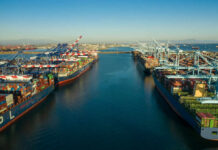
The strait’s importance is not abstract. It is a narrow, heavily trafficked channel between Iran and Oman that historically carries a significant share of the world’s seaborne oil and liquefied natural gas. When shipping companies believe mines may be drifting—or simply cannot be confidently ruled out—traffic slows, insurance spikes, crews face higher risk, and energy prices react fast. Even limited interference can deliver outsized leverage over governments and consumers far from the Gulf.
From Air War to Ceasefire, the Waterway Stayed a Battlefield
The broader timeline described in open-source reporting ties the current standoff to the late-February 2026 U.S.-Israel air campaign against Iran and the resulting Iranian retaliation. According to the crisis timeline, Iranian actions included warnings to shipping, attacks on merchant vessels, and mine-laying that effectively halted or sharply curtailed transit. A temporary ceasefire announced in early April required reopening, but subsequent reports describe continued restrictions and incidents despite public claims of normalizing passage.
Maritime updates around April 11 described multiple ships struck by “unknown projectiles,” with one vessel reporting a fire that was later put out after crew evacuation. Those details are significant because they show why “reopening” announcements do not automatically restore confidence. For shipowners, captains, and insurers, the working question is not political messaging but whether passage can be made routine and safe without accepting extraordinary costs, delays, or the possibility of sudden escalation.
Tolls, “Arrangements,” and the Question of Transit Rights
Reports indicate Iran has demanded tolls exceeding $1 million per ship and required prior coordination—terms that function like a gatekeeping mechanism for a global commons. Analysts have argued this approach conflicts with widely recognized principles of transit passage through international straits, and mine-laying itself has been cited as inconsistent with longstanding laws and norms governing sea warfare and civilian shipping. Tehran, for its part, has pushed back on claims by disputing evidence and framing its posture as security management.
What This Reveals About U.S. Readiness and the Limits of “Open” Promises
One reason mines remain such an effective tool is psychological and practical: even a small number can force large-scale caution, slowdowns, and costly clearance operations. Commentary highlighted in reporting also points to a U.S. vulnerability—fewer dedicated mine-countermeasure assets than in past decades—creating a gap adversaries can exploit. For an American public already skeptical of bureaucratic competence, this episode reinforces a familiar frustration: strategic necessities persist, but government capacity can lag behind real-world threats.
Why the Hormuz Dispute Hits Home: Inflation, Energy Costs, and Trust
For U.S. families, the Strait of Hormuz crisis is not just foreign policy; it can translate into higher prices for gasoline, heating, shipping, and everyday goods. When a hostile regime can pressure global energy flows with relatively cheap weapons and opportunistic tolls, voters see another reminder that secure trade routes and credible deterrence still matter. The ceasefire talks may reduce temperature, but the mine question shows how quickly “resolved” conflicts can remain dangerous in practice.
Iranian Regime Claims It Can't Un-Mine Strait of Hormuz, but Needs Tolls Anywayhttps://t.co/V3EAhDgnEA
— PJ Media (@PJMedia_com) April 11, 2026
Reporting suggests Iran cannot fully account for the mines it laid, while Iran disputes claims and the exact number and locations remain unclear. That uncertainty is enough to keep the strait effectively constrained even without a formal closure. Any lasting de-escalation will depend less on announcements and more on transparent clearance, credible security guarantees, and a return to predictable rules for civilian transit.
Sources:
Iran holds world energy hostage: nightmare Strait of Hormuz sea mines
Iran unable to find all mines it laid in Strait of Hormuz: Report