China’s first “fully AI-made” feature film hit theaters nationwide, but turnout stayed strikingly low despite more than 10,000 scheduled showings.
Story Highlights
- China approved and released a 100-minute film described as fully AI-generated in regular cinemas.
- Ticketing data showed over 10,000 showings planned on day one, but weak presales.
- Reports later showed low occupancy and about 1.1 viewers per screening after three days.
- The rollout offers real market data on audience interest in AI-made movies, not just tech demos.
China Tests AI Filmmaking In Commercial Theaters
On October 23, Chinese cinemas began screening Sanxingdui: Future Past, a 100-minute feature described by its backers as fully AI-generated. Reports say the National Film Administration granted a public screening license, clearing the way for a normal theatrical release at standard ticket prices around 30 yuan. Producer Bona Film Group positioned the project as a technology milestone and a public test, not just a studio experiment. The film’s approval marked a notable regulatory step for AI-made content in China.
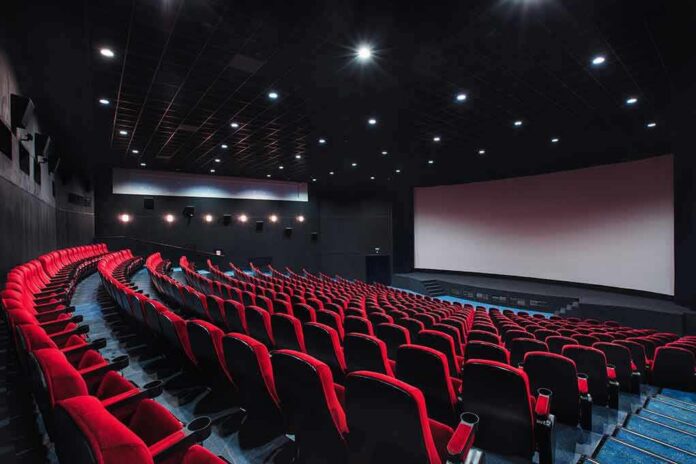
Release-day planning showed scale. The ticketing platform Maoyan listed more than 10,000 scheduled showings nationwide for opening day, an uncommon push for a first-of-its-kind film. The wide access meant audiences had many chances to watch. That level of scheduling offered a clear test: if demand existed, seats could fill. This was not a one-off screening or invite-only event. It was a real commercial run with broad distribution and normal consumer pricing.
Early Sales Lagged Badly Despite Big Rollout
Presales on the morning of October 23 were reported at about 80,000 yuan, with opening-day projections below 150,000 yuan, according to Maoyan data cited by major outlets. Another outlet cited 65,000 yuan in presales and projections below 100,000 yuan, showing some variance in snapshots. Later Chinese financial reporting tallied about 1.152 million yuan after three days, with roughly 1.1 percent occupancy and around 1.1 viewers per screening, indicating very light crowds. These figures point to limited audience pull for the debut.
Bona described the film as a boundary-pushing trial and acknowledged the cool response while keeping focus on the technology experiment. Company reports said a team near 100 people worked for two years and spent tens of millions of yuan to deliver original digital characters and a full-length release. Whatever the exact mix of tools, the studio framed it as a complete product, not a short or a teaser. The theater run now provides hard market feedback on whether viewers will pay for AI-built stories at scale.
What The Test Does And Does Not Prove
The rollout answers two concrete questions. First, regulators in China are willing to license and release an AI-made feature in normal theaters. Second, opening demand for this film was weak, even with heavy scheduling and standard prices. What the test does not settle is why sales lagged. Reports do not isolate the cause among marketing, story quality, release timing, public awareness, or the AI label itself. A single title cannot resolve all those factors at once.
For American readers, this matters on jobs, culture, and competition. Beijing just showed it will clear AI-made films for the box office. That could speed investment and set norms outside Western labor and copyright guardrails. The early box office flop will not stop the push. Studios chase lower costs and faster cycles. If foreign regulators greenlight AI features sooner, they can shape global markets while Hollywood debates rules. That has stakes for creators, consumers, and free expression.
Sources:
insiderpaper.com, straitstimes.com, money.udn.com, aidailyinsights.cn, cnbctv18.com, ua.news