
A new Ukrainian law briefly put a presidential appointee over anti-corruption watchdogs, and street protests forced a fast retreat.
Story Snapshot
- Ukraine passed, then moved to undo, a law curbing anti-corruption agencies after mass protests.
- European Union criticism tied the law to risks for Ukraine’s support and reform path.
- Zelensky’s trust fell from wartime highs but remains above 50 percent, showing erosion, not collapse.
- Martial law blocks elections, fueling questions about wartime legitimacy and accountability.
What Triggered The Protests In Wartime Kyiv
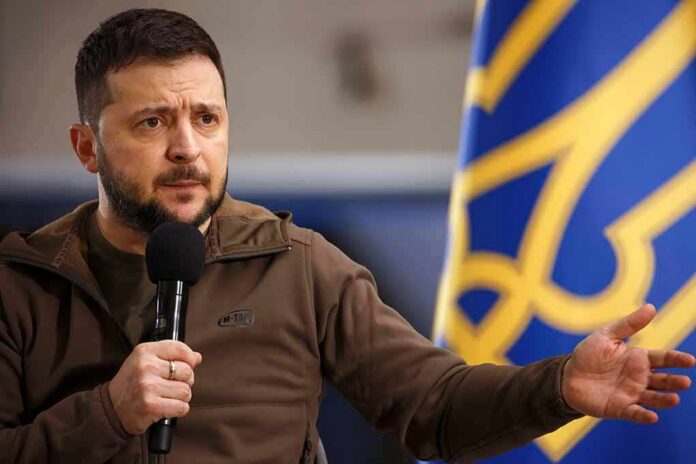
On July 22, 2025, Ukraine’s parliament passed, and President Volodymyr Zelensky signed, a law that expanded the prosecutor general’s power over two key anti-corruption bodies. Those bodies are the National Anti-Corruption Bureau and the Specialized Anti-Corruption Prosecutor’s Office. Thousands protested in Kyiv and other cities the next day. Major outlets reported anger over the change and warned it could weaken vital oversight in a country that depends on clean governance to keep support flowing.
European officials and allies raised alarms within hours. They said weakening the anti-corruption system could undercut public trust and shake confidence among partners that fund Ukraine’s war and its future rebuilding. In a tight war budget, donors demand proof of clean hands. That is not a “nice to have.” It is a lifeline. The clear message from Europe was simple: keep the watchdogs independent, or risk losing political goodwill when it matters most.
A Fast Reversal Shows Pressure Works
On July 23 and 24, Zelensky promised and then submitted bills to restore those agencies’ independence. Reuters described the move as bowing to pressure after the protests and foreign criticism. The Associated Press reported that the controversy threatened public trust, which Ukraine cannot afford in wartime. The fast about-face shows that civic action and outside scrutiny still have leverage in Kyiv, even under martial law and constant security strain.
This quick U-turn cuts two ways for analysts. It shows vulnerability at the top, since the presidency advanced a law that sparked immediate backlash. It also shows that checks still function when citizens speak up and partners push back. For Americans weary of endless blank checks abroad, the episode is a reminder: conditions and accountability can work. Ukraine heard the message and changed course, at least on this flashpoint.
Wartime Legitimacy And A Frozen Ballot Box
Ukraine’s martial-law framework blocks national elections until martial law ends. Zelensky says voting will resume after the “hot phase” ends, but the timeline depends on the battlefield. That legal freeze creates a real legitimacy squeeze. Voters cannot judge leaders at the polls while war rages. Critics now point to protests, policy zigzags, and donor warnings as signs that democratic accountability must have more than promises and press events during wartime.
Polling shows Zelensky’s trust rating is below its early-invasion peak but still positive. Reuters cited trust above 50 percent in early 2025, and one survey showed 57 percent trust against 37 percent distrust. That is not collapse. It is a comedown from the rally-around-the-flag wave that hit 90 percent after the full-scale invasion. In plain terms, the public is still with Kyiv’s leader, but more citizens want proof of clean governance while the war drags on.
Why This Matters For American Taxpayers And Security
American taxpayers and Congress expect transparency when dollars, weapons, and energy aid are on the line. The protest-and-reversal saga ties clean government to lasting support. Europe drew that line in public, and it worked. Washington should do the same with firm, simple conditions: protect independent watchdogs, publish clear results, and punish graft fast. That approach backs Ukraine’s fight while guarding U.S. interests and deterring waste during a time of tight budgets.
President Trump’s team has pressed partners to step up, cut waste, and share the load. This case shows how leverage can drive change without more blank checks. Support should match performance. Ukraine’s leaders must keep anti-corruption agencies free and strong, not under a political thumb. That is how you protect accountability in a war and keep faith with Americans at home who want victory, honesty, and an end to open-ended spending that feeds corruption anywhere in the world.
Sources:
cnn.com, reuters.com, haskovo.net, apnews.com, pbs.org