Trump’s Iran framework comes with a blunt warning: comply—or face bombs again.
Story Snapshot
- White House says a U.S.–Iran memorandum is finalized, with a signing set for Switzerland.
- Framework ties reopening the Strait of Hormuz to an end of military operations and strict limits on Iran.
- Iranian officials publicly hedge, saying a final deal is not yet imminent.
- Oil prices dipped after the announcement, hinting at relief if shipping fully resumes.
What Was Agreed And Why It Matters
President Trump said the United States and Iran reached a deal that ends military operations and reopens the Strait of Hormuz with no tolls. He posted that the agreement is “now complete” and that the United States would remove its naval blockade. A signing ceremony was set for Friday in Switzerland, with Iranian Deputy Foreign Minister Kazem Gharibabadi saying the text was finalized for signature. These steps tie peace to free shipping and clear red lines on Iran’s nuclear ambitions [3].
Swiss officials confirmed plans for the signing in the mountains above Lucerne, underscoring the urgent push to lock in terms and stabilize regional trade routes. Broadcast reports summarized U.S. aims: flow of oil “toll free,” renewed policing of the strait against harassment, and ironclad prevention of an Iranian nuclear weapon. A U.S. official signaled that energy exports and the banking, transport, and insurance needed to support them could resume once terms take effect, pending compliance [1].
Iran’s Mixed Messages And The 60-Day Window
Iran’s Foreign Ministry spokesperson told media a deal was not imminent, even as both sides talked up progress. Reporting described a letter of intent or memorandum that could open a 60-day period for technical talks on nuclear material, verification, and mine clearing in the strait. That window would test whether Tehran follows through. It would also shape timelines for easing pressure, including how and when shipping fully resumes and which sanctions discussions advance, if at all [11].
Live coverage echoed the same split screen. The White House framed the deal as a finished text ready for formal signing. Iranian state-linked outlets cast the talk of a final agreement as “speculation,” while acknowledging much of the text was settled. This gap is familiar in U.S.–Iran crises: strong public claims precede public texts. The cautious read is simple. A framework likely exists, but its survival depends on verification, fast mine clearing, and whether Tehran accepts outside checks on its nuclear fuel cycle [13].
Energy, Security, And Deterrence Backing The Deal
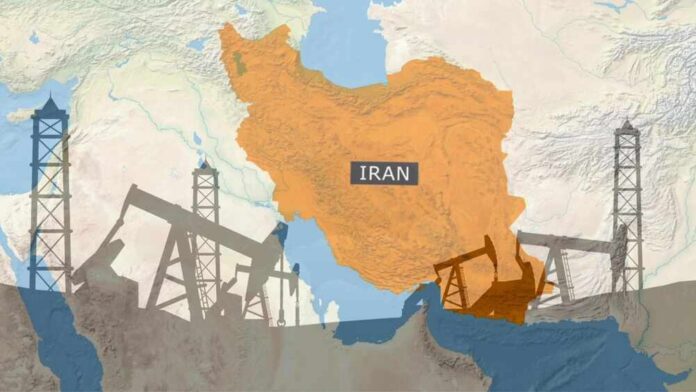
Oil prices fell after Trump’s announcement, reflecting hopes that safe passage through Hormuz will hold. Markets respond to facts at sea, not speeches. Shippers want proof the channel is de-mined, escorts are stable, and harassment ends. The memorandum’s promise to keep the strait open without tolls would cut costs and help Americans at the pump. But only sustained compliance will keep prices down and deny Iran leverage over global supply lines in the months ahead [7].
Conservatives will appreciate the core principle: peace backed by strength. The administration tied any relief to strict conditions and the clear bar that Iran will never get a nuclear weapon. The message is direct—comply, or the United States can reimpose pressure, including force. That pairing of diplomacy and deterrence is the only language Tehran respects. It protects our economy, our troops, and our allies without writing blank checks or tolerating games in the world’s most vital oil chokepoint [2].
Red Lines, Verification, And What To Watch Next
Three tests will decide if this deal sticks. First, shipping must move “toll free” with no harassment in the strait. Second, Iran must halt any path to a bomb and address enriched material under verifiable steps. Third, both sides must codify terms in the 60-day follow-on phase, with clear triggers if Iran cheats. U.S. officials say the signing remains set for Switzerland. If Tehran stalls, the United States can snap back pressure and resume military options as needed [15].
Readers should track four signals in the coming days. Do commercial insurers restore full coverage for tankers? Do maritime charts clear known mines? Do inspectors report real progress on nuclear material? And does Tehran’s public line shift from hedging to yes? If those answers trend positive, energy costs and regional risk should ease. If not, the White House has made the fallback plain: the United States will keep the strait open and prevent an Iranian bomb—with or without a paper deal [4].
Sources:
[1] Web – BREAKING: “If I don’t like it, we’ll go back to shooting at them, …
[2] Web – Switzerland confirms US-Iran deal will be signed at …
[3] YouTube – Lucerne, Switzerland emerging as likely location for …
[4] Web – Trump says U.S. deal with Iran “is now complete, …
[7] Web – According to US officials, the signing ceremony will still …
[11] YouTube – Iran says it will not sign peace deal amid war with US
[13] Web – Trump cancels planned strikes and touts progress, Iran says no deal …
[15] Web – Iran and US agree deal to end war as Israel says its forces will … – …