Police in Mexico City used tear gas and roadblocks to stop teachers from marching toward World Cup venues, raising sharp questions about security, public order, and priorities just days before kickoff.
Story Snapshot
- Mexico police blocked teachers marching toward World Cup sites and used tear gas near key routes [1][2].
- Striking teachers tied protests to low pay, pensions, and education funding, plus World Cup spending optics [1][2].
- Reports show threats to block airports, stadium access, and transport links as leverage during the event [6].
- Demonstrations included clashes and damage to World Cup displays, fueling public-order concerns [2][10][14].
Police Block March Near Stadium Routes Ahead of Kickoff
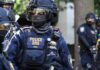
Mexico City police blocked a large march of teachers moving toward World Cup sites in the capital. Officers deployed tear gas as protesters pressed near routes linked to Estadio Azteca and fan areas. Video reports show tense lines, barricades, and scattered clashes as crowds tried to advance close to stadium access roads. The timing, just before the opening match, placed security forces under pressure to keep roads and venues open for teams, media, and visiting fans [1][2][15].
Protest leaders connected their action to pay, pension, and classroom needs. They argued the government found funds for stadium events, but not for schools. A broadcast quoted marchers warning they would keep pressure on officials until talks deliver clear gains. That stance matched a wider strike wave by dissident teachers. It also met a firm state response that treated stadium zones and transit corridors as critical infrastructure that could not be blocked before a global event [1][2].
Teachers Use Visibility of Global Event to Press Demands
Reports show the protests targeted maximum visibility. Teachers threatened to block the airport, stadium access, and transport links, making their cause impossible to ignore during the tournament. That tactic has risks. It can win attention fast, but it can also spark public anger and a crackdown. Officials said the most extreme wage demands would strain budgets, while unions said classroom shortages and pensions remain unresolved after years of delay [6][2].
Several clips and posts captured damage to World Cup displays and heated clashes in city centers. One video showed toppled player statues and fencing torn down along key promenades. These scenes fed the narrative that protests drifted from peaceful marches into wider disorder. Police argued they had to act to protect property, fans, and traffic flow around the stadium. Union voices countered that authorities escalated too quickly and dodged core funding issues [10][14][2].
Public Order, Free Speech, and the Cost of Spectacle
Large events always draw labor protests. Organizers use the spotlight to gain leverage. Governments focus on safety, image, and transport. Both dynamics are on display here. Mexico’s strike aligned with this pattern, using the tournament to force talks. Police actions sought to hold red lines around stadium approaches. The result was a rolling test of free assembly rights against emergency-style crowd control near the venues and major roads [1][2].
For American readers, the lesson is clear. When leaders pour public money into high-profile events, local workers push back if basic services fall behind. Taxpayers expect order, but they also expect honest budgets and real priorities. That balance calls for swift, open talks that address pay scales, pensions, and classroom needs, while setting firm rules that keep airports, hospitals, and stadium corridors open. Both order and fairness matter when the world is watching [2][1].
What Comes Next for Security and Negotiations
Authorities in Mexico City now face dual tasks. They must keep roads open for matches and fans. They must also engage teachers on pay, pensions, and staffing so tensions do not explode on game days. Clear channels for lawful marches away from critical choke points could lower the risk of clashes. Direct talks on wages, benefits, and school funding could reduce the incentive to use blockades as bargaining chips [2][6].
Mexican police block a teachers' march heading to a World Cup stadium as protests intensify before the tournament pic.twitter.com/5RZqjQobNt
— Reuters Sports (@ReutersSports) June 10, 2026
Event planners in every host city can learn from this week. Build protest lanes that are visible but do not shut down vital routes. Publish a plain-language budget that shows what the event costs and what schools receive. Set fast-track mediation when strikes start to spread. These steps defend free speech and public order at the same time. They also respect families, small businesses, and travelers who cannot afford chaos when a mega-event arrives [2][1].
Sources:
[1] YouTube – Mexico police block teachers’ march to World Cup stadium
[2] YouTube – Mexican police fire tear gas at teachers protesting World …
[6] Web – Mexico teachers destroy World Cup footballer statues in pay protest …
[10] Web – Striking teachers bring Mexico City to a standstill ahead of World Cup
[14] Web – Mexican teachers threaten strikes during World Cup – News
[15] Web – Teachers in Mexico destroyed statues of World Cup footballers …