Sen. Tammy Duckworth is urging agencies to block President Trump’s plan to fold drones, snipers, and ammo storage into a 250-foot arch next to Arlington National Cemetery.
Story Snapshot
- Trump said the planned arch will double as a “top grade” military complex with drones, snipers, and ammunition storage.
- Duckworth asked the Pentagon and aviation regulators to reject the plan as a “foolhardy” misuse of a memorial site.
- The project has only preliminary approvals and still faces lawsuits and federal review.
- Veterans and families voiced privacy and safety concerns near funeral grounds.
What Trump Announced About The Arch’s Military Role
President Trump wrote that he agreed to convert the proposed triumphal arch into a “top grade Military Complex/Triumphal Arch.” He said the facility would house and rapidly deploy “large numbers of drones,” position “Snipers” on the roof and plaza, and store “large quantities of sniper ammunition.” He tied the change to a “strong request of the United States Military” and to national security needs. His statement set the terms of debate and drove immediate media coverage.
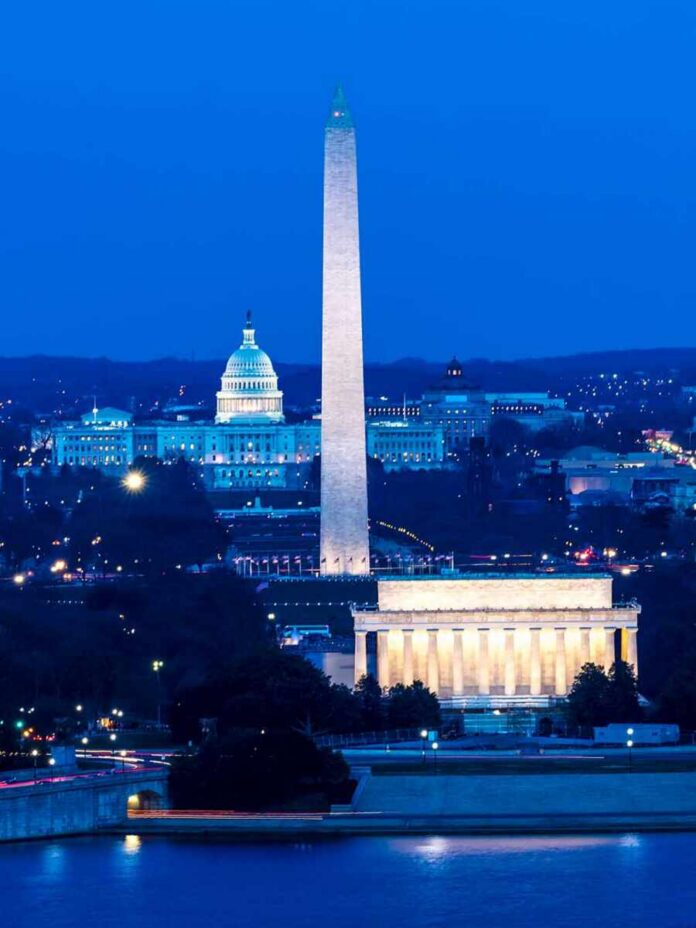
Reporters and outlets repeated those specific capabilities in full. That included plans for drone storage and launch, rooftop sniper positions, and on-site ammunition. The described location is by the Receptive Circle near Arlington Memorial Bridge, which adjoins Arlington National Cemetery. The armed features, placed at a public memorial gateway, raised obvious questions. They involve crowd safety, flight operations, and how to separate visitors from any active security footprint.
Duckworth’s Pushback And The Regulatory Hurdles Ahead
Sen. Tammy Duckworth asked the Department of Defense and the Federal Aviation Administration to reject the military-complex plan. She called it a “foolhardy plan” that misuses a memorial and invites safety problems in a sensitive area. Her stance responds to Trump’s national security framing and the stated armed functions. While forceful, her critique still meets an approval maze, where agency decisions and planning commissions will decide next steps and conditions.
Independent reporting said the arch had only preliminary approval. Final clearance from federal planners had not happened at the time of Trump’s post. That gap matters because it shapes the timeline and what can proceed. It also matches a separate development in court. Three veterans and an architectural historian filed a lawsuit to challenge the project and demand stricter oversight or congressional approval before construction begins.
Why Location And Process Drive Veteran And Family Concerns
Families and veterans stressed the site’s solemn role. They warned that an observation deck and armed features could overlook processions and funerals. They questioned how ammo storage and sniper posts would coexist with large crowds, school trips, and traffic. Their objections reflect the arch’s proximity to Arlington National Cemetery and the memorial bridge approach. These concerns about privacy, respect, and safety gained traction as details of the armed functions spread.
President Trump plans to add a military complex to his proposed Triumphal Arch near Arlington National Cemetery, drawing criticism. pic.twitter.com/RhY4ejBY33
— Louisiana First News (@LAFirstNews) September 25, 2026
Aviation and ground safety also drew attention. Drone housing and rapid launch near river air corridors and dense tourist routes could trigger separate reviews. That includes airspace rules and coordination with security agencies. Trump’s post did not include a public threat assessment from defense or homeland security experts. Reporters noted that gap, which leaves regulators and planners to weigh the stated benefits against the practical risks at a high-profile public site.
What Conservative Readers Should Watch Next
Conservatives value strong defense and respect for our fallen. Both principles are in play here. The national security case must be backed by clear plans and safe operations. That means transparent approvals, tight site control, and no mission creep that turns a memorial gateway into a permanent staging ground. Readers should track whether agencies provide written justifications, whether planners impose strict conditions, and whether courts press for clearer legal authority before shovels hit the ground.
Sources:
cbsnews.com, npr.org, thehill.com, bbc.com