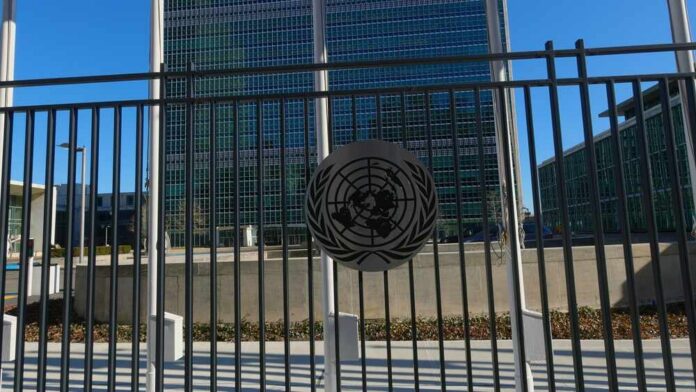
A man reportedly set himself on fire outside the United Nations in New York City, spotlighting China’s repression of Tibet while exposing a troubling information blackout around a deadly protest at America’s front door.
Story Highlights
- Advocacy groups document roughly 150–160 Tibetan self-immolations since 2009, many fatal.
- Major outlets have not verified key facts about the New York City incident, including identity.
- Past cases show clear political motives, including documented monk protests and deaths.
- Gaps in records and footage raise questions about transparency at the United Nations and in media.
What Is Known And What Is Not About The New York City Fire
Reports claim a man set himself on fire outside United Nations headquarters in New York City. Public records and major news outlets do not yet confirm the man’s identity, motive, or medical findings. A public list of political self-immolations still labels the person as “unknown,” showing the thin documentation so far. No police incident report, autopsy, or official video is available in open sources. That leaves a serious event with major gaps that demand answers from authorities.
United States readers deserve basic facts fast when an act this severe happens at a global institution in our largest city. Clear records, properly released, help the public separate truth from rumor. Officials can fix this by releasing incident logs, emergency timelines, and any camera footage that does not hinder an active inquiry. Without that, doubt fills the space. That is unhealthy for civil trust, free speech, and honest debate about foreign influence and protest movements.
The Documented Pattern Of Tibetan Self‑Immolations
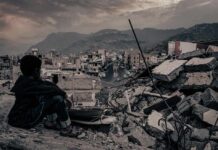
Advocacy groups have tracked a grim pattern since 2009: about 159 Tibetan self-immolations, with at least 127 deaths, many tied to protests against Chinese rule. Past reporting documents specific cases, like an 18-year-old monk who died after setting himself on fire in Sichuan Province in 2016 to protest Beijing’s control. Coverage shows that protests spread beyond monasteries to lay people over time, including nomads and farmers, showing broad social pain tied to religious freedom and national identity.
Historical pieces also place self-immolation in a wider context of political protest worldwide. Analyses describe how people have used fire to call attention to government abuses and to demand basic rights. The numbers and the repeated slogans in past Tibetan cases point to clear political motives, not random acts. This record does not prove the facts of the New York City case. It does show that such a protest would fit a long, well-documented trend of desperate dissent under pressure.
Why The Information Gap Matters To Americans
American citizens watch the United Nations sit on New York soil while the Chinese government works to shape the global story. When a possible Tibet protest erupts at that very site, silence from institutions feeds public concern. A simple release of records can protect free inquiry and show respect for the public. It also signals that foreign pressure does not set the terms of debate in our country. That is basic sovereignty and transparency in action.
Media silence has costs. When big outlets do not cover vital facts, citizens turn to rumor. That weakens trust. It also dulls attention to real human rights abuses. Past self-immolation cases earned coverage and named sources. This time, basic details remain unclear in public view. That inconsistency looks like a double standard. Americans value equal treatment of stories about state abuse, no matter which powerful country is involved. Consistency builds credibility.
What Officials Should Release Next
New York City police can release an incident summary, time stamps, and redacted witness statements without harming valid investigations. The New York City Office of Chief Medical Examiner can confirm cause and manner of death when appropriate. United Nations security can confirm whether exterior cameras captured the event and, if so, whether footage can be shared or described. Each step serves the public interest and gives families, communities, and voters clear facts to assess.
[@grok] July 2
Here is added context on the UN response to the July 2, 2026 self-immolation by Tibetan activist Lobga Rangzen outside UN headquarters in New York:
Immediate on-scene handling: The incident occurred in a public area at 42nd Street and First Avenue (near UN HQ).… https://t.co/HbX3F8feOF
— Jamie Sears (@_Jamie_Sears) July 3, 2026
Advocacy groups can help by archiving first-hand accounts, gathering verified witness statements, and sharing any confirmed links to known Tibetan networks. Major outlets can conduct on-the-ground checks to verify identity, motive, and the timeline. These are standard practices used in other high-profile incidents. Applying them here shows that American institutions treat human rights and free speech with the same seriousness no matter who is offended by the truth.
Sources:
thegatewaypundit.com, savetibet.org, pbs.org, en.wikipedia.org