
A lawsuit exposes deadly hospital delays after a STAT CT scan took 12 hours, leading to a patient’s death from a pulmonary embolism.
At a Glance
- A patient died after a 12-hour delay in a STAT CT scan.
- The lawsuit claims negligence caused a fatal pulmonary embolism.
- STAT scans are required within one hour under hospital protocols.
- Case may trigger reforms in emergency care standards.
The Fatal Delay
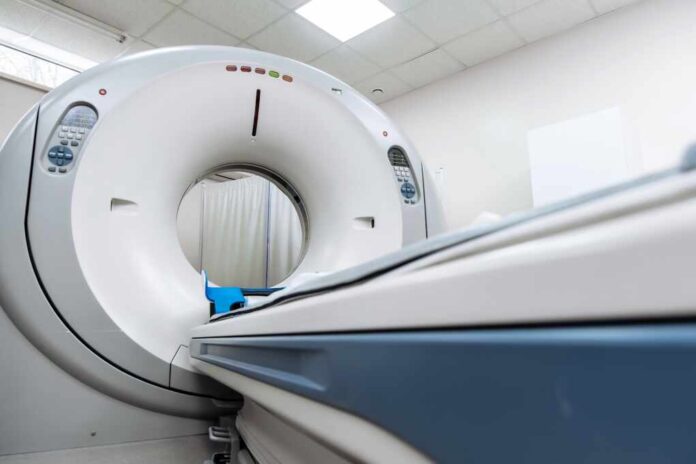
Andrew Gabor arrived at a hospital in March 2024 with symptoms later tied to a pulmonary embolism. Doctors ordered a STAT CT angiography, which required immediate action. The scan was delayed more than 12 hours. He died before it was performed.
His sister, Maria Healey, filed suit against the hospital. She claims negligence and systemic failure were the direct causes of her brother’s death. The case has already raised alarms over how hospitals respond to urgent imaging needs.
Watch now: Patient died after it took over 10 hours to get a CT scan; lawsuit filed by sister
Patient died after it took over 10 hours to get a CT scan when he complained of chest pains, lawsuit sayshttps://t.co/Dc2X3opbK3
— The Independent (@Independent) September 8, 2025
Hospitals on Trial
STAT orders are designed to cut through delays. They mark a test or scan as urgent, with most hospitals requiring completion within an hour. Gabor’s case broke that standard entirely.
Failure to deliver timely imaging exposes gaps in hospital management. Experts say such breakdowns put patients at extreme risk. A pulmonary embolism, without rapid diagnosis, can become fatal within hours.
Healey’s lawsuit aims to hold hospital leadership accountable. If successful, it could set precedent for stricter liability in delayed diagnostic care.
Wider Systemic Failures
Medical watchdogs point to broader lapses across hospital systems. Overloaded imaging departments, staff shortages, and miscommunication can all derail urgent cases. Each weak link compounds the risk to patients.
This lawsuit highlights how fragile those systems can be. When a STAT order is ignored, the safety net collapses. Doctors may act quickly, but if the system cannot support them, patients pay the price.
Analysts expect regulators to press hospitals harder after this case. Compliance with emergency protocols may soon face stricter monitoring, penalties, and public reporting.
What Comes Next
Healey is pushing for justice, but her case also carries wider weight. Families expect hospitals to act fast during crises. Failures like this erode public trust.
The lawsuit could force hospitals to review internal chains of command. Protocol reforms may follow, with mandatory reporting of STAT delays. Some lawmakers may even consider national standards for diagnostic response times.
For now, the case underscores a blunt truth: in medical emergencies, every minute matters. When systems fail, lives are lost, and accountability becomes the only remedy.
Sources