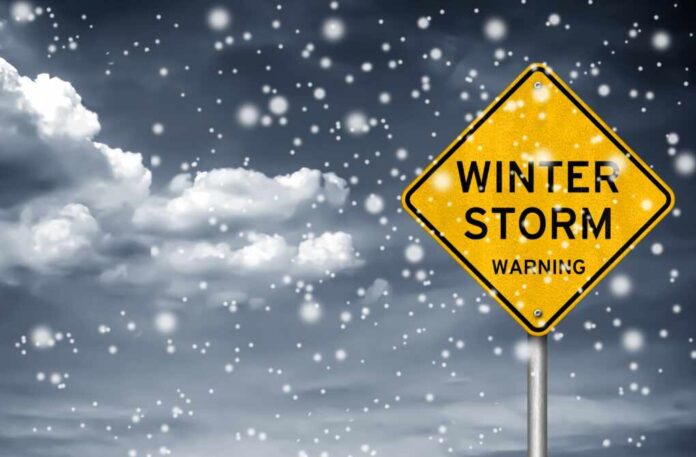
A massive, coast-to-coast winter storm system delivered a devastating blow to American families during Thanksgiving week 2025, grinding holiday travel to a halt and stranding millions of people. Striking during one of the busiest travel periods of the year, the storm’s unprecedented geographic scope—from the Pacific Northwest to the Northeast—exposed the fragility of the nation’s aging infrastructure, compounding the crisis as power grids failed and transportation networks buckled under the severe weather.
Story Highlights
- Multi-region winter storm disrupted Thanksgiving travel from coast to coast during the peak holiday period.
- Up to 4 feet of snow forecasted in the Sierra Nevada, with 1-3 feet in the Great Lakes region.
- Airports from San Francisco to Boston experienced major delays affecting millions of travelers.
- Thousands remained without power in the Pacific Northwest from previous storms as a new system arrived.
Storm System Creates Multi-State Emergency
The National Weather Service issued winter storm warnings across an unprecedented geographic scope during Thanksgiving week 2025. A complex atmospheric pattern brought simultaneous impacts from the Pacific Northwest through the Sierra Nevada, Northern Rockies, Northern Plains, Upper Midwest, Great Lakes, and Northeast regions. The timing could not have been worse, striking during one of the busiest travel periods when millions of American families attempt to gather for the holiday.
Major winter storm to wreck post-Thanksgiving travel plans for millions across 40 states https://t.co/zrMeoKHUnm pic.twitter.com/ze3NEI2Umy
— New York Post (@nypost) November 27, 2025
Devastating Snow Accumulations Paralyze Transportation Networks
Regional snowfall predictions painted a grim picture for travelers attempting post-Thanksgiving journeys. North Dakota and Minnesota faced 4-8 inches with potential accumulations reaching 12 inches in some areas. The Lake Superior region braced for catastrophic 1-3 feet of snowfall, while Northern Michigan expected up to 13 additional inches. The Sierra Nevada mountains prepared for roughly 4 feet of total accumulation, creating treacherous conditions across major transportation corridors.
The Interstate 95 corridor, America’s critical East Coast artery running from Miami to the Canadian border, experienced hazardous conditions with 1-3 inches of rain and 5-10 inches of snow forecast through the weekend. The National Weather Service office in Gray, Maine, issued stark warnings advising that “persons should delay all travel if possible,” highlighting the severity of conditions facing holiday travelers.
Infrastructure Failures Compound Holiday Travel Nightmare
Beyond the immediate storm impacts, pre-existing infrastructure vulnerabilities amplified the crisis. Thousands of residents in the Pacific Northwest remained without electrical power for multiple days following previous storm systems, creating compounded hardships as the new winter weather arrived. This situation exemplifies the fragility of America’s aging power grid and the cascading effects when multiple weather systems strike in succession.
Transportation hubs from San Francisco to Boston reported significant delays and cancellations. CBS News senior transportation correspondent Kris Van Cleave noted the widespread disruptions: “storms on the West Coast, storms in the Northeast, and now a storm in the Mountain West,” affecting airports across the continental United States. Arctic blast conditions persisted with temperatures plummeting into the 30s across the Rockies and Northern Plains, creating additional challenges for travelers and emergency responders.
Watch the report: Major winter storm threatens millions across the U.S.
Sources:
- US Braces For Winter Storm In Thanksgiving Week, NWS Warns Of Drop In Mercury, Snowfall In THESE Places
- Winter storms forecast for US during Thanksgiving week could disrupt holiday travel
- Thanksgiving weather forecast: Snow storms, winter cold fronts could cause travel disruptions
- Forecasts warn of winter storms across US during Thanksgiving week