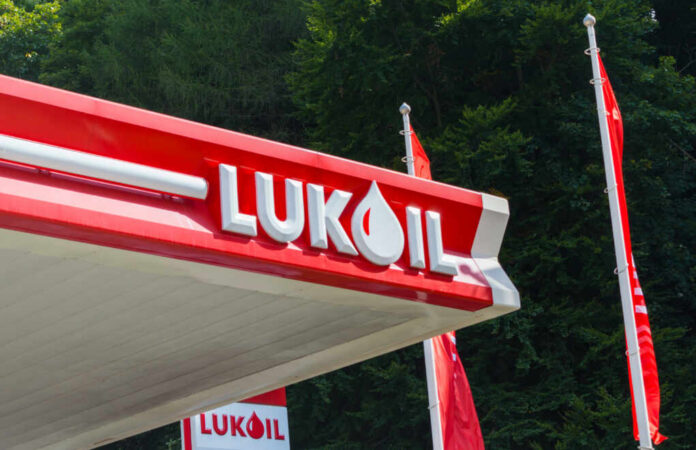
A major Russian oil giant, Lukoil, is attempting to sell a large portion of its international assets to the U.S. investment firm Carlyle Group. However, the transaction’s fate ultimately rests with the U.S. Treasury’s Office of Foreign Assets Control (OFAC). Due to Western sanctions against Lukoil, this deal requires critical regulatory approvals, and the parties are reportedly racing against a tight deadline of February 28, 2026. The non-exclusive agreement allows Lukoil to negotiate with other bidders while Carlyle stresses compliance and continuity for the critical energy infrastructure involved.
Story Highlights
- Lukoil signed a non-exclusive agreement to sell most international assets held in LUKOIL International GmbH to the Carlyle Group, excluding Kazakhstan.
- The transaction hinges on regulatory approvals, including U.S. Treasury’s Office of Foreign Assets Control (OFAC), because Lukoil remains under Western sanctions tied to Russia’s Ukraine war.
- The parties are up against a reported February 28, 2026 deadline, leaving little room for delays in due diligence or licensing.
- Carlyle says it plans operational continuity, job preservation, and reinvestment—while Lukoil continues talks with other potential buyers.
Deal Structure Puts OFAC in the Driver’s Seat
Lukoil announced on January 29, 2026 that it signed a non-exclusive agreement with U.S. private equity firm Carlyle to sell LUKOIL International GmbH, the vehicle holding most of Lukoil’s international upstream, midstream, and downstream assets outside Kazakhstan. The key practical detail is that the transaction requires approvals, including from OFAC at the U.S. Treasury, because sanctions governing Russian energy firms still shape what can legally close.
Carlyle confirmed the agreement and emphasized compliance with U.S. Treasury requirements as well as continuity for critical infrastructure. That framing matters because it signals the buyer is planning around U.S. regulatory conditions, not around Lukoil’s preferred timetable. The non-exclusive nature of the agreement also means Lukoil can keep negotiating with other parties, a reminder that this is not a done deal until licensing, due diligence, and final approvals are secured.
Private equity firm Carlyle Group has agreed to buy most of Lukoil's foreign assets, initially valued at $22 billion by analysts, which Russia's second-largest oil company must sell because of US sanctions https://t.co/AIgbcEAKGX pic.twitter.com/JHzDUb6dSb
— Reuters Business (@ReutersBiz) January 29, 2026
Why Lukoil Is Divesting: Sanctions Pressure and a Tight Timeline
Lukoil’s push to divest overseas assets follows a sanctions-driven squeeze that intensified after Russia’s 2022 invasion of Ukraine. The company had already announced plans on October 27, 2025 to sell international assets, with the sanctions environment limiting operational flexibility and financing options. A prior attempt involving Gunvor fell apart after the U.S. Treasury denied a license, a precedent that underscores how quickly Washington can derail a transaction.
A separate Kazakhstan track shows how complicated these disposals become when multiple governments have equities at stake. On January 28, 2026, Kazakhstan’s energy minister submitted a request to the U.S. Treasury regarding a potential buyout of Lukoil’s Kazakhstan-related assets. Lukoil’s Carlyle agreement explicitly excludes Kazakhstan stakes, including interests tied to major projects and infrastructure linked to the Caspian Pipeline Consortium, carving out a sensitive category while the broader international package moves forward.
What’s Actually in the International Portfolio
Lukoil spent decades building a footprint across upstream projects and downstream fuel networks outside Russia. The company’s international holdings referenced in reporting span production interests across regions including Azerbaijan, Iraq, Uzbekistan, Egypt, and parts of Africa, along with downstream assets such as refineries and a large retail station network in Central and Eastern Europe. Those assets are not abstract balance-sheet line items; they touch fuel supply chains, refining capacity, and local employment in host countries.
One practical reason this sale is being watched is the scale and potential trajectory of output. S&P Global estimates cited in reporting indicate Lukoil’s foreign production could rise from roughly 329,000 boe/d in 2025 to about 448,000 boe/d by 2030. If those projections hold, the buyer is not merely purchasing steady-state cash flow; it is potentially buying growth—assuming regulatory approvals clear and capital can be deployed without sanctions-related tripwires.
Carlyle’s Strategy: “Responsible Steward,” But Not a Free Pass
Carlyle presented itself as a compliant steward focused on maintaining operations, preserving jobs, and reinvesting in assets that are often treated as critical infrastructure. The firm already has a sizable energy footprint, and the messaging suggests a play to keep these assets stable while meeting U.S. requirements. For Americans wary of global instability, this is the reality: U.S. policy is shaping foreign energy ownership, not just prices at the pump.
Uncertainty remains because the agreement is non-exclusive and additional bidders may emerge. Reporting also said Carlyle was in talks with potential UAE partners as of January 30, 2026, adding another layer of cross-border complexity. Until OFAC decisions and final documentation are in place, the strongest statement available is the narrowest one: an agreement exists, but closure depends on U.S. approval and a rapidly approaching deadline.
Watch the report: Russia’s Lukoil to sell global assets to US Carlyle Group amid sanctions
Sources:
- US Carlyle Group agrees to buy Lukoil’s global assets after sanctions pressure | Reuters
- Lukoil agrees to sell international assets to Carlyle, except Kazakh assets
- Lukoil signs agreement to sell international assets to Carlyle | Enerdata