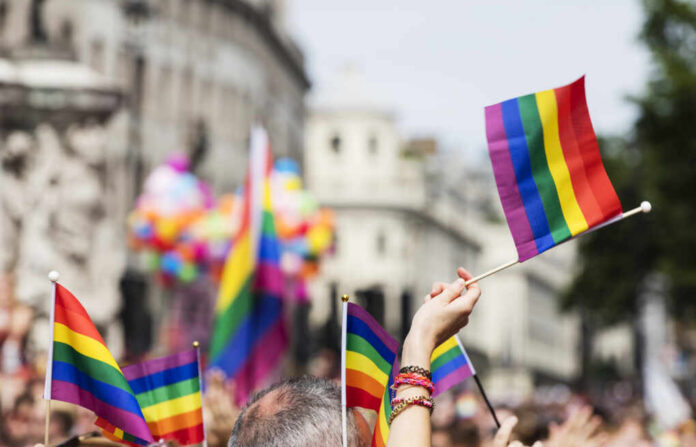
As Pride Month kicks off, even some LGBTQ voices are blasting it as hollow “rainbow capitalism,” proving the insanity conservatives see is not just in our heads but baked into the modern Pride machine.
Story Snapshot
- Even LGBTQ activists now criticize Pride as commercialized, depoliticized, and more about branding than real rights.
- Corporate America uses Pride for marketing while often avoiding concrete action or policy changes that cost them anything.
- Radical LGBTQ factions have launched “Critical Pride” and “Gay Shame” to protest what they call the over-commercialization of Pride.
- Institutional narratives still sell Pride as historic protest and visibility, masking deep internal divisions over what it has become.
From Street Protest To Branded Festival
Modern Pride events began as responses to police crackdowns and discrimination, especially after the 1969 Stonewall uprising, and were framed as marches demanding civil rights and recognition. Over time, those marches evolved into large public festivals, parades, and corporate-sponsored celebrations that institutions now describe as honoring history, visibility, and equality for lesbian, gay, bisexual, transgender, and queer people.[2][3] Educational and cultural organizations still emphasize Pride as commemoration and protest, even as commercial elements increasingly dominate the public face of June.[3]
The Library of Congress describes Pride Month as a commemoration of the Stonewall uprising, honoring contributions of LGBTQ Americans and memorializing losses to hate crimes and HIV or AIDS. Other historical explainers similarly ground the month in decades of struggle against police harassment and exclusion from public life, framing today’s events as continuations of those protests. That official story presents Pride as a civil rights observance, not a lifestyle festival, which makes the growing split between that narrative and current practice more striking for both insiders and outside critics.[2][3]
Internal LGBTQ Critiques Of “Rainbow Capitalism”
Within LGBTQ circles, critics now argue that mainstream Pride has become commodified and politically diluted, losing the sharp edge of protest it once had.[1] The Pride entry describes a movement called “Critical Pride,” active in countries including Spain, the United States, and Canada, created specifically to restore political meaning to events they see as depoliticized.[1] A related radical current known as “Gay Shame” opposes what it calls the commercialization and assimilation of non‑heterosexual identities, challenging the corporate parade model that dominates many big-city Pride celebrations.[1]
Academic and institutional commentary has also documented what activists call “rainbow capitalism,” where companies treat Pride as a branded holiday focused on imagery and merchandise rather than structural change.[2] Rutgers University notes that many organizations celebrate Pride with decorations and marketing campaigns, and that this approach has been criticized as a commercial exercise akin to “pinkwashing,” where a cause is used to polish reputations.[2] The same commentary warns that such branding can become “empty of concrete actions,” with more energy going into logos and slogans than into reforms or support that might carry real costs.[2]
Corporate Hypocrisy And Performative Activism
Rutgers further records a specific charge that some companies publicly promote Pride while quietly backing agendas that hurt LGBTQ people, creating a pattern critics view as hypocrisy.[2] According to that analysis, there are cases where organizations roll out high-visibility Pride messaging even as they maintain discriminatory internal policies or support legislation curtailing the rights of the very communities they claim to celebrate.[2] The commentary suggests that such behavior can cause Pride campaigns to “backfire,” exposing them as reputation management exercises rather than genuine allyship or reform.[2]
Independent opinion writers have echoed this theme, arguing that the corporate focus of Pride Month is “performative” and “hollow,” and that celebrations often do “more harm than good” for vulnerable groups.[1] One detailed critique describes companies rushing to add rainbow flags to logos and sell themed merchandise each June, while offering little evidence that proceeds benefit LGBTQ movements or that any substantive policy changes accompany the marketing.[1] In that view, Pride becomes another instance of surface-level activism designed to be palatable, not a vehicle for uncomfortable but necessary confrontation with bullying, discrimination, and hostile laws.[1]
Visibility Narrative Versus Substance And Priorities
Supporters of mainstream Pride counter that these events remain important symbols of visibility, community, and ongoing activism against unjust systems. Educational outreach materials describe Pride Month as a time to celebrate and uplift LGBTQ people, honor their history, and call citizens to resist unfair treatment, linking today’s celebrations to earlier rights protests. Institutional histories similarly emphasize that Pride observances recognize decades of work toward acceptance and equality, and encourage people to attend parades, exhibits, and screenings to deepen their understanding of LGBTQ experiences.[3]
Even within that supportive framing, however, major institutions acknowledge the tension between visibility and commercialization, noting that Pride branding can be driven by marketing rather than mission.[2] Rutgers explicitly states that Pride-themed visibility campaigns can bring awareness but may lack concrete action, underscoring that public symbolism is not the same as policy change.[2] What the available sources do not yet show is hard data on whether Pride, in its current form, diverts resources or attention from other urgent issues such as anti‑violence work, or how representative internal critics like Critical Pride and Gay Shame are of broader LGBTQ opinion.[1][2]
Sources:
[1] YouTube – ‘The insanity is only just starting’: Finnerty weighs in on Pride …
[3] Web – Reflections on Pride Month | Rutgers University