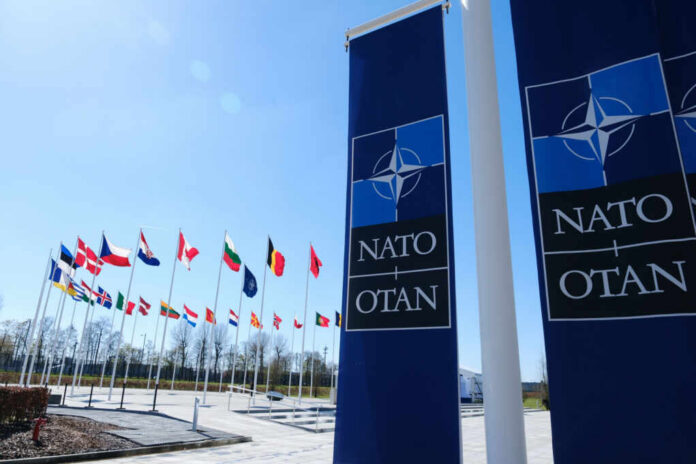
A Pentagon “NATO 3.0” review could finally stop Europe from free-riding on American power and start putting U.S. security first.
Story Snapshot
- Defense Secretary Pete Hegseth launched a six‑month review of U.S. forces in Europe, signaling big posture changes ahead.
- The Trump administration wants “NATO 3.0,” with Europe taking primary responsibility for defending its own continent.
- Washington is openly warning allies that U.S. money and troops are not guaranteed if Europe keeps free‑riding.
- Strategists argue Europe is rich enough to defend itself, and U.S. forces in Europe can be cut and refocused on America’s priorities.
Hegseth’s NATO 3.0 Review: Europe Must Finally Carry Its Own Weight
U.S. Defense Secretary Pete Hegseth stood before NATO defense ministers in Brussels and made something very clear: the days of Europe counting on automatic American protection are coming to an end.[2] He announced a six‑month Pentagon review of how many U.S. forces are based in Europe and where they are stationed, a process he said will be “a real review,” not just a paper exercise.[1][2] The goal, he explained, is simple but long overdue: move NATO “fast and irreversibly toward Europe leading” and taking “primary responsibility for the defense of Europe.”[1][2] For many conservative Americans, that message matches what they have argued for decades—that wealthy European nations cannot keep hiding behind U.S. troops while Washington borrows trillions and our own borders, families, and communities face growing strain.
The Pentagon review, branded inside the administration as part of a “NATO 3.0” push, will look at overall U.S. force posture and basing across the continent and report back within about six months.[1][4] Hegseth and other Trump officials have already signaled that this could mean fewer U.S. assets pre‑committed to NATO crises, after allies were told that some air and naval capabilities would be reduced for alliance missions.[4] Analysts at Defense Priorities and other think tanks argue that the U.S. presence in Europe today is a Cold War holdover—more than 80,000 personnel—and could be cut by around 40 to 50 percent over several years while still protecting core American interests.[7][3] They say European members of NATO have the money, population, and technology to match Russia on their own, and that Europe “can and should defend itself against Russia with minimal U.S. support,” backed mainly by America’s nuclear umbrella.[7][3]
Why Many Conservatives See This Review as Common Sense
For years, conservative strategists have warned that keeping a large permanent footprint in Europe encourages “free‑riding” by allies and leaves U.S. taxpayers footing the bill for Europe’s security while our own debt, border crisis, and readiness needs grow.[3][7] Defense Priorities and similar groups call for pulling home several brigade combat teams, air squadrons, and ships and returning to roughly pre‑2014 troop levels, when Russia first invaded Ukraine.[3] A Marine Corps University study reviewing the last Global Posture Review reached a similar conclusion: given the poor performance and heavy losses of Russia’s military in Ukraine, the U.S. can gradually reduce its permanent presence in Europe over the next decade and refocus more strength on the Pacific, all while keeping the ability to surge forces back in a crisis.[19] That approach lines up with Trump’s America‑First view of limited government abroad and a stronger focus on defending our own homeland, including from illegal crossings and drugs pouring across the southern border.[4]
Hegseth’s tough talk in Brussels tracked with that logic. Reporting shows he “lashed out” at allies who refused to back U.S. military action in the Iran conflict and warned that some American financial contributions to NATO could be withheld if nations keep failing to meet their defense‑spending pledges.[3][4][16] He described NATO 3.0 as a return to a real hard‑power alliance with serious capabilities that can deter threats on the continent, rather than a bloated club where Washington pays and others posture.[4] In earlier remarks in Poland, he said flatly that Europe cannot assume U.S. military presence “will last forever” and urged governments there to invest now in their own defense.[9][18] For many Trump voters sick of “globalism on autopilot,” these are overdue demands: real burden sharing, not endless blank checks.
Pushback From Europe and the Risk of Another NATO Fight
European officials and some U.S. foreign‑policy voices are already warning that cutting back too fast could unsettle the alliance and weaken deterrence on NATO’s eastern flank.[8][21] Military writers who favor a stronger forward presence say that permanent U.S. troops in Europe reassure allies far more than rotational units that come and go, and that rotations can strain U.S. readiness without delivering the same political signal.[21] They argue that while Russia’s forces have been bloodied in Ukraine, the possibility of crisis remains, and that a visible American armored presence helps keep Moscow from testing NATO lines in the Baltics or Poland.[21] For those critics, any major drawdown driven by budget or politics, rather than by conditions on the ground, risks sending the wrong message to both friends and foes.
BRUSSELS—@SecWar Hegseth announced that the Pentagon will conduct a six-month review of America’s posture and basing in Europe during a meeting of NATO’s North Atlantic Council.
In addition to a push for increased European defense spending, Hegseth said some nations lack of…
— Chris Gordon (@ByChrisGordon) June 18, 2026
There is also concern about how the Trump administration is managing the process. Earlier decisions to cut certain brigades earmarked for Europe, cancel a fires battalion deployment to Germany, and then suddenly announce 5,000 more troops for Poland left European capitals feeling “whiplash” and unsure what Washington’s long‑term plan really is.[1][20] Some allies and lawmakers have criticized the Pentagon’s choice not to publish a full Global Posture Review, which used to give Congress and partners a clear view of U.S. basing plans overseas.[6] Instead, they now hear about changes through speeches, leaks, and scattered briefings, raising fears that big moves could come with little consultation. For American conservatives, though, the core issue is less European frustration and more this basic question: will U.S. force posture finally reflect our own priorities—defending our people, our economy, and our Constitution—before taking on the defense bills of rich countries half a world away?
Sources:
[1] Web – Hegseth tells NATO US will review force presence in Europe
[2] Web – Washington’s latest force posture moves have Europeans feeling …
[3] Web – [PDF] Fact Sheet: Posture Updates in Support of Allies in Europe
[4] Web – Aligning global military posture with U.S. interests – Defense …
[6] Web – As We Await the Pentagon’s Posture Review, Here’s One Country …
[7] Web – Allies and Congress are about to lose a key window into US military …
[8] Web – [PDF] GLOBAL POSTURE REVIEW 2021 – Defense Priorities
[9] Web – Striking the Balance: US Army Force Posture in Europe, 2028—A …
[16] Web – US military’s future in Europe under review as Hegseth …
[18] YouTube – Hegseth: U.S. Presence in Europe Not Guaranteed – NATO Must Act | AH1G
[19] YouTube – “US military presence in Europe may not be forever”, warns Hegseth
[20] Web – Revisiting the Global Posture Review – Marine Corps University
[21] YouTube – U.S. Military Posture and Implications for European Security