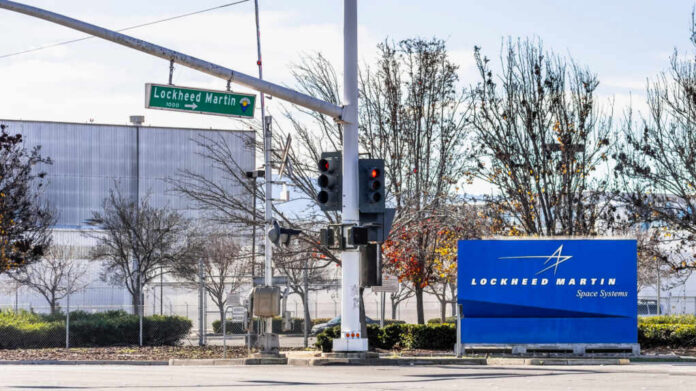
A quiet memo between Lockheed Martin and General Motors just opened the door for Detroit to become a permanent arm of the weapons pipeline Washington says it needs “as fast as possible.”
Story Snapshot
- Lockheed Martin and GM Defense signed a new agreement to boost U.S. weapons manufacturing and supply chains.
- The deal, pushed by the Defense Department, leans on GM’s high-volume auto plants to speed munitions output.[2]
- Leaders say it will help meet Pentagon demands to triple and even quadruple missile production in coming years.[5]
- Details are still vague, raising questions about cost, accountability, and who really benefits from the ramp-up.[5]
What Lockheed And GM Just Agreed To Do
Lockheed Martin and GM Defense have signed a memorandum of understanding to “strengthen America’s manufacturing and defense industrial base,” with help from the United States Department of Defense.[2] The companies say they will combine Lockheed’s weapons production know-how with General Motors’ high-rate commercial manufacturing and engineering. The focus is clear but broad: toughen defense supply chains, advance manufacturing and design, and look at expanding production capacity using GM’s existing factories and tools.[2]
Company statements describe “initial efforts” to speed production readiness and bring proven auto-style methods into defense plants.[1] The goal is to cut timelines while still meeting strict standards for quality and reliability on mission-critical systems. Both firms stress that this is about more than one program. It is about building a repeatable model, where commercial plants can be tapped any time Washington wants to surge output for a crisis or a long war.[3]
Why Washington Is Pushing Auto Makers Into Arms Production
Pressure for this kind of deal has been building for years as the defense industrial base struggled with slow timelines, thin stockpiles, and fragile supply chains.[15] After decades of consolidation, a handful of big defense primes dominate major weapons programs, leaving little slack when demand spikes. At the same time, most cutting-edge manufacturing lives in the commercial economy, not behind the fence at traditional defense plants.[12] That gap has pushed Pentagon leaders to court big commercial players like GM.[14]
Recent conflicts and threats have only sharpened that need. Lockheed has told investors it plans to spend $9 billion through 2030 on more than twenty facilities to expand munitions capacity and upgrade its supply chain.[3] GM, for its part, is already planning billions in capital spending and research and development in the United States, which it can leverage on both the auto and defense sides.[8] For the Trump administration, tying those investments to American weapons production supports “Buy America” instincts and reduces reliance on foreign suppliers.[13]
How This Could Change Weapons Output On The Ground
Lockheed and GM are keeping many specifics close, but they have offered some clear hints. Reporting from defense outlets says the partnership is aimed at helping Lockheed meet Pentagon requests to triple production of PAC-3 Missile Segment Enhancement interceptors and quadruple production of THAAD interceptors over the next several years.[5] To do that, they will lean on GM’s mastery of high-volume parts, just as it builds millions of vehicles and components every year in the civilian market.[5]
Executives have talked about GM producing “commonly used parts” that are needed across different munitions lines, which could clear bottlenecks that slow final assembly.[5] GM Defense leaders say they will explore using the company’s existing laboratories and factories to support the partnership.[3] If even a slice of that auto capacity is redirected to defense work, America’s ability to refill missile and ammunition stockpiles could rise sharply, giving troops the tools they need without long waits between orders and delivery.[6]
Big Promises, But Still Plenty Of Unanswered Questions
For all the strong language about “accelerating” and “strengthening,” this deal is still at an exploratory stage. The agreement is a memorandum of understanding, not a fully detailed production contract, and company leaders admit it is “too early” to say exactly which product lines will benefit most.[5] Public documents do not list specific plants, parts, timelines, or guaranteed output targets; they sketch a direction of travel, not a hard roadmap with teeth.[2]
Lockheed Martin Exploring Production Help With GM Defense – Defense Daily https://t.co/oD3V81GQdm
— Cal Biesecker (@calvinb21) June 17, 2026
That lack of detail matters for taxpayers and for conservatives who back a strong military but want real oversight, not blank checks to giant corporations. Most of what we know comes from company press releases and short business reports, not independent audits or on-the-ground data.[2] Until specific programs, throughput numbers, and cost results are released, Americans will have to take it on trust that this public–private push is making the arsenal stronger, not just padding corporate bottom lines.[5]
Sources:
[1] Web – Lockheed, GM Announce Partnership To Boost Weapons Production
[2] Web – Lockheed Martin, GM Defense Collaborate to Strengthen America’s …
[3] Web – Lockheed Martin, GM Defense Collaborate to Strengthen America’s …
[5] Web – GM in Talks to Supply Weapons Parts to Lockheed Martin – WSJ
[6] Web – Trump Invokes Defense Production Act. GM, Lockheed Discuss …
[8] Web – Lockheed, GM Defense enter MOU on U.S. production – Stock Titan
[12] Web – General Motors, Lockheed Martin Mull Partnership After Trump …
[13] Web – Advanced Production | Lockheed Martin
[14] Web – [PDF] Lockheed Martin Corporation
[15] Web – Strengthening Defense Strategies with Commercial Partnerships