

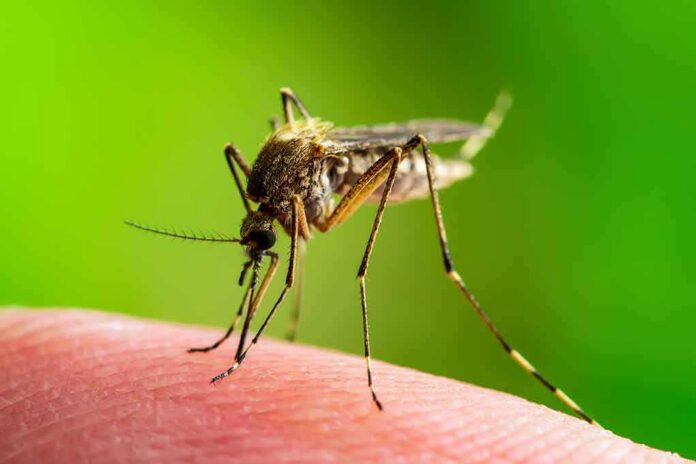
A surge of locally acquired dengue cases in Florida is spreading across multiple counties, prompting stepped-up mosquito control and fresh health alerts.
Story Highlights
- State reports show local dengue cases jumped week over week, led by Hillsborough County.
- County health alerts warned residents after confirmed local transmission in Tampa-area neighborhoods.
- News outlets cite state counts showing expansion into Pinellas, Palm Beach, and Miami-Dade.
- Mosquito-control districts increased ground spraying, aerial treatments, and inspections.
Florida’s Case Counts Rose Quickly Across Successive Reports
Florida Department of Health surveillance listed 23 locally acquired dengue cases in Week 32 and 41 cases in Week 33, with Hillsborough County leading the rise. Officials recorded local infections in Hillsborough, Miami-Dade, Palm Beach, and Pinellas by Week 33. These reports track local transmission separate from travel-linked cases, signaling mosquitoes picked up and spread the virus in Florida neighborhoods, not just from returning travelers.
By early September, state and local reporting cited 73 local dengue cases as of August 29, including 59 in Hillsborough, seven in Miami-Dade, one in Palm Beach, and five in Pinellas. Those numbers reflect a broader spread beyond a single county cluster, reinforcing why officials labeled Hillsborough the epicenter while warning nearby counties to prepare. Public health counts are provisional and can change as investigations close, but they guide immediate response.
County Alerts Marked a Clear Progression in Hillsborough
Hillsborough County’s health department issued a mosquito-borne illness alert on July 31 after confirming a second local dengue case. Less than two weeks later, the county reported an eighth local case and kept the alert in place. That rapid increase in confirmed local infections showed a building pattern, not a one-off case. The alerts urged residents to drain standing water, use repellent, and protect doors and windows with tight screens.
Officials emphasized that most recent infections in the Tampa area were locally acquired rather than travel-related. That distinction matters for families weighing risk at home, school, church, and work. It also directs control crews to treat neighborhoods and storm drains where the mosquitoes that spread dengue, the Aedes aegypti species, breed near people. Health messaging pushed early testing for fever, rash, or joint pain after mosquito bites.
Mosquito-Control Districts Escalated Ground and Aerial Operations
Pasco County Mosquito Control District added trucks for neighborhood spraying and deployed helicopters to treat larger zones. Hillsborough teams set traps, canvassed affected blocks, and targeted breeding sites. Pinellas increased fogging and sent door-to-door inspectors to help residents dump standing water and find hidden sources in yards and gutters. These actions focused on fast knockdown of adult mosquitoes and longer-term suppression of larvae in containers.
Florida’s strategy pairs public guidance with field operations to hit mosquitoes at every stage. Crews map hot spots and adjust routes based on trap counts and complaints. Homeowners are urged to cover rain barrels, clean birdbaths, and empty anything that holds water after storms. Simple steps, like wearing long sleeves at dusk and using repellent with DEET, picaridin, or oil of lemon eucalyptus, reduce bites and break the chain of spread from person to person through mosquitoes.
How This Fits Florida’s Recurring Dengue Pattern
Florida often sees dengue arrive with travelers, then flare locally when weather and the Aedes aegypti mosquito align. Research shows clusters usually burn out after targeted control and cooler weather return, but they can grow when detection lags. The Centers for Disease Control and Prevention posts current-year dengue numbers and labels them provisional as case investigations evolve, which matches how Florida’s counts have changed week by week in this event.
Florida mosquito-control agencies are stepping up surveillance, inspections and spraying, as officials expect the number of locally acquired dengue fever cases in Tampa Bay and across the state to rise in the coming weeks. https://t.co/zvLTqnwVhq
— Jean (@Jeanneutral) September 7, 2026
Recent years brought local dengue in different parts of Florida, including the Keys and the Tampa Bay region. That history explains why counties move fast at the first sign of local spread. Clear communication, early testing, and hands-on mosquito control keep neighborhoods open and safe. Families can help by draining water weekly, fixing screens, and calling local mosquito control when they notice heavy mosquito activity after rains or in shaded areas near homes.
Sources:
nypost.com, heraldtribune.com, wusf.org, floridahealth.gov, mysuncoast.com, syracuse.com, hillsborough.floridahealth.gov