
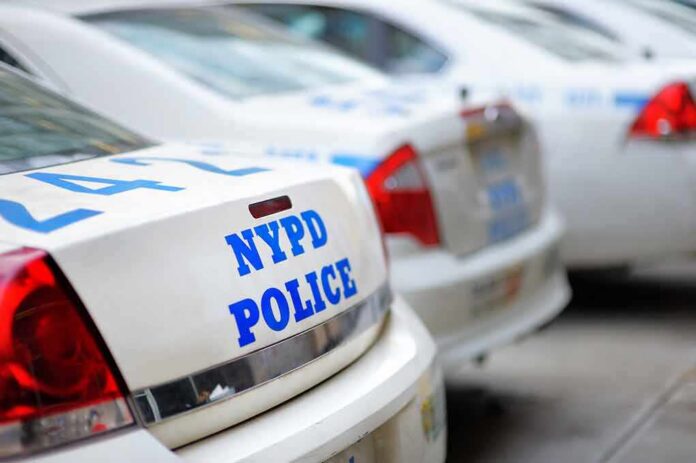
New York City’s mayor is moving to scrap a 600-officer rapid-response police unit as holiday crowds swell and terror threats persist, raising hard safety questions for millions of residents and visitors.
Story Highlights
- Mayor Zohran Mamdani says he will disband the NYPD Strategic Response Group and split protest policing from counterterrorism.
- City Hall confirms the plan but offers no detailed replacement structure, staffing, or timeline.
- NYPD describes the unit as a critical citywide asset for protests, parades, crime surges, and major incidents.
- A City Council push, the CURB Act, aims to limit or end the unit’s protest role and claims majority support.
Mamdani’s Pledge And What His Team Says Will Happen
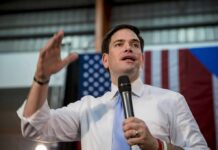
Mayor Zohran Mamdani says he intends to disband the New York Police Department’s Strategic Response Group and separate protest response from counterterrorism tasks. His spokesperson restated the goal and tied it to a campaign promise, arguing that First Amendment events need a different approach than terror threats. Reports say the mayor previously pledged on social media to dismantle the unit and has kept that pledge in public remarks. His office has not released a full transition plan yet.
City Hall’s message highlights a single aim: split duties so officers focused on terror are not the same officers managing protests. That framing echoes activists who claim the current structure chills speech. However, the administration has not named which units will handle large protests, how many officers will be reassigned, or what training rules will change. The mayor’s team has said more details are coming, but no effective date or milestones are in the record yet.
What The Unit Does Today, According To The NYPD
The New York Police Department describes the Strategic Response Group as a citywide surge force. The department says the unit responds to protests, parades, civil disorder, and major events, and can mobilize for shootings, bank robberies, and missing-person cases. The department calls it a “critical asset” during big gatherings, like the papal visit. Reports put the unit at around 600 officers, which is a major share of specialized manpower to redeploy if the unit is disbanded.
Those facts point to a core risk: gaps during fast-moving incidents. New York often runs many events at once, from parades to high-risk crime scenes. A dedicated surge group helps with quick shifts and unified command. If the city dissolves the unit, leaders will need a clear plan to keep that speed and coordination. The current public record does not show which command structure will take over those tasks or how cross-borough mobilizations will work.
The Council’s CURB Act And Outside Pressure
The Communities United to Reject Brutality Act, reintroduced by Council Member Chi Ossé, seeks to curb the unit’s protest role and, in its latest version, push action that could lead to the unit’s elimination. The New York Civil Liberties Union says a majority of the City Council supports that bill, adding political weight to the mayor’s goal. That support signals institutional momentum. It does not, by itself, solve the operational details that keep protests peaceful and streets safe.
Even some reform-aligned voices warn that renaming a unit can mask little real change. Reporting notes concern that the same tactics and people could reappear under another label if the plan is not concrete and enforced. Council Member Oswald Feliz warned about this very risk, saying the city could simply recreate the Strategic Response Group with a new name, which would leave critics and supporters both frustrated.
Public Safety Stakes For Families, Commuters, And Businesses
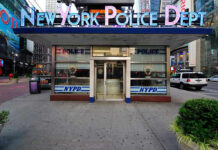
Families riding the subway, shop owners guarding storefronts, and visitors crowding Times Square need clear, fast police response. The holiday season brings big parades, larger crowds, and higher risks. The mayor’s office has not yet shown how protest management, counterterrorism, and emergency surge capacity will be covered on day one after a disband order, or during a phased transition. That uncertainty invites errors during peak demand unless a firm plan is published and drilled ahead of time.
🚨 JUST IN: Mayor Zohran Mamdani is GUTTING the NYPD unit that handles riots.
His office told Politico the administration "WILL DISBAND THE STRATEGIC RESPONSE GROUP," the unit that handles protest violence and civil disorder.
Commissioner Jessica Tisch says the unit only gets… pic.twitter.com/bqGva2Lxx9
— Gunther Eagleman™ (@GuntherEagleman) November 13, 2026
Conservatives value safe streets, lawful protest, and swift action against real threats. Those goals can work together. The core test for City Hall is simple: name the replacement, train to standard, and publish the rules. If leaders cannot show how 600 specialized officers’ duties will be covered, public trust will slip. If they can, they should present timelines, command charts, staffing numbers, and deployment rules so every New Yorker knows who shows up when trouble hits.
What To Watch Next
Watch for a written reorganization plan with unit names, command authority, staffing counts, training guides, and deployment protocols. Look for a clear timeline with milestones and a date when the change takes effect. Track whether the City Council advances the CURB Act and whether final language reshapes tactics or just branding. Finally, compare outcomes at future protests and major events to measure if the city kept both safety and speech intact.
Sources:
foxnews.com, nyclu.org, fox17.com