A massive strike by 3,800 meatpacking workers at a JBS plant tied to a top Trump donor threatens to drive beef prices even higher amid America’s lowest cattle herd in 75 years.
Story Snapshot
- 3,800 UFCW Local 7 workers launched the first major meatpacking strike in decades on March 16, 2026, at JBS USA’s Greeley, Colorado plant.
- Strike hits during record-low U.S. cattle inventory of 86.2 million head, following 15% ground beef price surge in 2025.
- Workers demand higher wages over 2%, free PPE, and end to alleged discrimination against immigrants after nine months of stalled talks.
- JBS, world’s largest meat producer and linked to $5M Trump donation, claims full legal compliance and good-faith negotiations.
- Disruption risks worsening inflation pressures on families already strained by past fiscal mismanagement.
Strike Launch and Worker Grievances
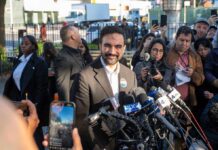
On March 16, 2026, approximately 3,800 unionized workers at JBS USA’s Greeley beef processing plant walked off the job, forming picket lines by early morning. Represented by UFCW Local 7, the workers authorized the unfair labor practice strike with 99% approval after nine months of failed contract talks. They protest forced out-of-pocket payments for personal protective equipment, low-ball wage offers averaging under 2% annual increases, and discrimination targeting immigrant employees. This marks the first major meatpacking strike in decades, halting operations at one of the nation’s largest facilities.
JBS Response and Company Position
JBS USA, a subsidiary of Brazilian-owned JBS S.A. and the world’s top meat producer, stated it engaged in eight months of good-faith bargaining while fully complying with all labor laws. The company acquired the Greeley Swift Beef plant years ago amid ongoing UFCW organizing efforts in an immigrant-heavy workforce. JBS faces political scrutiny due to a $5 million donation to Trump-Vance from its subsidiary Pilgrim’s Pride, creating tension as the strike unfolds under President Trump’s administration. No resolution emerged as of March 16, with pickets remaining active.
Critical Timing Amid Beef Shortages
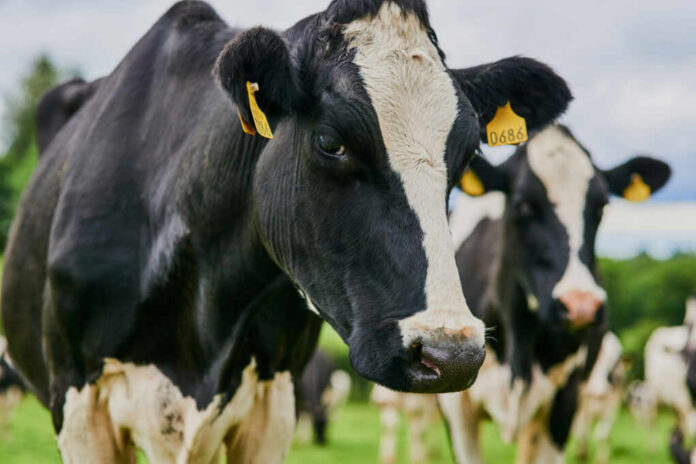
The Greeley plant shutdown occurs as U.S. cattle herds hit a 75-year low of 86.2 million head on January 1, 2026, down 1% year-over-year. Ground beef prices rose 15% in 2025 due to these shortages, and the strike risks further supply disruptions. American families, still recovering from Biden-era inflation and overspending, now face potential price spikes on a staple protein. Ranchers and suppliers brace for backed-up orders, while the local Greeley economy tied to 3,800 jobs suffers immediate impacts. This timing amplifies cost-of-living concerns central to conservative priorities for economic stability.
Stakeholders and Broader Ramifications
UFCW Local 7 President Kim Cordova leads the strikers seeking job security, better benefits, and fair treatment. Workers hold leverage through plant closure potential in a tight supply chain, contrasting JBS’s financial strength. Short-term effects include wage losses for families and higher consumer costs; long-term, the action could spark union drives at other processors like Tyson. Politically, it pressures the Trump administration on inflation optics despite donor ties, highlighting tensions between labor demands and limited-government principles that prioritize market-driven resolutions over union overreach.
A Massive Meatpacking Strike Arrives at the Worst Possible Time for Beef Prices https://t.co/UynuuqNpWn
— Carol RN *Miss Rush & the Gipper* 👩⚕️🇺🇸 🇮🇱🦈 (@pasqueflower19) March 17, 2026
Economic and Political Pressures Mount
Consumers bear the brunt as reduced beef processing exacerbates shortages, potentially inflating prices further and straining household budgets. The 2026 labor wave, including UFCW actions elsewhere, underscores industry vulnerabilities post-COVID. For Trump supporters frustrated by past globalist policies and fiscal irresponsibility, this strike tests commitments to reining in inflation without government bailouts. Resolution hinges on addressing grievances while preserving operational efficiency, aligning with values of individual responsibility and free enterprise over endless concessions.
Sources:
Strike Tracker: Real-time labor data confirming strike start and details
WNy Labor Today: 3,800 UFCW-represented meatpacking workers set to strike
Business & Human Rights Resource Centre: Nearly 4,000 US meatpacking workers to strike
WBZ NewsRadio: Thousands set to strike at one of nation’s largest meatpacking plants
KOB: 3800 workers strike at one of the largest meatpacking plants
Washington Times: 3800 workers strike at one of largest meatpacking plants