Governor JB Pritzker’s rejection of President Trump’s federal crime aid offer leaves Chicago vulnerable as political egos escalate a bitter state-federal clash.
At a Glance
- Pritzker refused Trump’s offer of federal assistance, citing overreach concerns.
- Stephen A. Smith blasted the governor, calling the decision “inexcusable.”
- Crime rates in Chicago continue to rise amid political deadlock.
- Conservatives accuse Pritzker of prioritizing politics over safety.
Smith’s Critique Sparks Firestorm
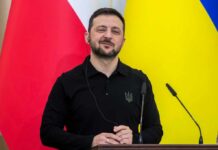
Stephen A. Smith entered the political fray with a pointed rebuke of Governor JB Pritzker. In September, the ESPN host labeled Pritzker’s refusal of Trump’s aid “just inexcusable.”
Smith’s attack resonated across conservative media, fueling outrage over Chicago’s worsening violence. He argued that partisan pride was standing in the way of public safety.
Watch now: Bill O’Reilly, Stephen A. Smith call out JB Pritzker for defying Trump on crime | CUOMO
The critique quickly gained traction, amplifying frustration among residents who feel abandoned by their leaders. Smith’s words highlighted the growing demand for politicians to set aside party lines in moments of crisis.
Pritzker Draws the Line
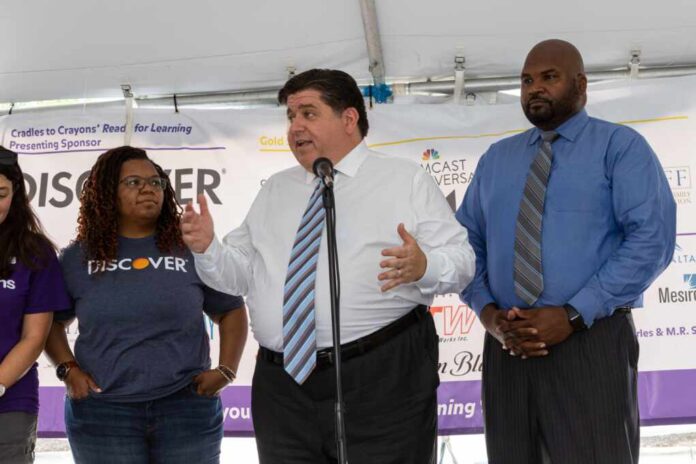
Pritzker made clear he would resist Trump’s intervention in Chicago. He framed the offer of federal troops as an attack on Illinois’ autonomy and vowed to challenge it in court.
The governor cast the move as part of a broader struggle against federal overreach. He pledged to defend local control even if it meant prolonging the city’s vulnerability.
Trump and several Republican lawmakers blasted the stance as reckless. They argued that Pritzker was putting political pride before the safety of families in crime-ridden neighborhoods.
Residents Caught in the Middle
For Chicagoans, the debate feels detached from the reality on the ground. The city’s crime rates keep climbing, while leaders wage legal and rhetorical battles.
Many residents see the standoff as a test of political will rather than a genuine search for solutions. The result is growing distrust in both state and federal leadership.
The longer the impasse drags on, the sharper the questions become about accountability. Chicago’s families are left wondering who will act before the situation worsens.
National Stakes and Future Precedents
The dispute has national implications. It strikes at the core of the federal versus state authority debate, with law enforcement and public safety as the backdrop.
Political commentators argue the clash could set precedents for how future crises are managed. Democrats see Pritzker’s stand as principled, while Republicans see it as reckless.
The outcome may influence upcoming elections, shaping the way candidates frame crime policy, federalism, and executive power. For now, the standoff underscores how deeply politics has entangled public safety.
Sources