Tropical Cyclone Narelle has crippled over 5% of global LNG supply at a time when Americans are already paying sky-high energy costs, revealing how vulnerable our economy remains to foreign energy disruptions while this administration pursues war in Iran instead of energy independence at home.
Story Snapshot
- Three major Australian LNG plants shut down March 26-27, 2026, as Category 4 Cyclone Narelle battered Western Australia with 170+ km/h winds
- Chevron’s Gorgon and Wheatstone facilities, plus Woodside’s North West Shelf plant collectively supply over 5% of world LNG during peak Asian demand
- Outages compound Middle East war-driven energy shortages, threatening further price spikes for American consumers already squeezed by inflation
- Australia’s cyclone-prone infrastructure exposes fragility of global energy networks as U.S. focuses resources on regime change wars instead of domestic production
Cyclone Forces Triple Shutdown of Critical LNG Infrastructure
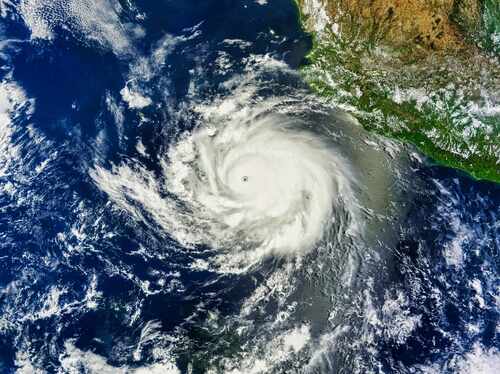
Tropical Cyclone Narelle struck Western Australia’s Pilbara region on March 26, 2026, forcing simultaneous shutdowns at three LNG export facilities that represent a significant chunk of global supply. Chevron’s Gorgon plant, capable of producing over 15 million tonnes annually, operates at reduced capacity while its Wheatstone facility remains fully offline. Woodside Energy shuttered all four LNG trains at its North West Shelf plant, Australia’s oldest and largest LNG facility operational since 1989. Wind gusts reached 174 km/h at Varanus Island and 170 km/h at Barrow Island, where Gorgon sits, compelling operators to demobilize offshore workforces. The Category 4 cyclone approached the coast Friday morning with destructive winds and heavy rain forecast.
American Energy Consumers Pay Price for Foreign Dependence
These outages arrive at the worst possible moment for American households struggling with energy costs driven by the Iran war and past policy failures that gutted domestic energy investment. Global LNG demand has surged amid Middle East tensions, yet instead of ramping up U.S. production to capitalize on high prices and fill supply gaps, this administration diverts focus to military adventures overseas. Australia supplies critical LNG to Asian markets that compete with American buyers for supply, and when cyclones knock out 5% of global capacity, prices spike everywhere. This is precisely the vulnerability conservatives warned about when globalists pushed “transition” policies that discouraged investment in reliable American fossil fuel infrastructure, leaving us exposed to every foreign weather event and geopolitical crisis.
Repeat Disasters Highlight Infrastructure Fragility
Western Australia’s LNG corridor has suffered repeated cyclone hits, with Woodside’s North West Shelf battered by Category 5 Cyclone Zelia in February 2025, contributing to a 22% year-over-year LNG production drop in Q1 2025. Santos’ Barossa plant, Australia’s newest LNG facility, shut down for several weeks starting March 20, 2026, compounding Narelle’s impact. Woodside also experienced Pluto LNG outages in Q1 2025 and a seven-day November 2024 halt from control system faults. The pattern reveals cyclone-prone infrastructure supporting over 5% of global LNG faces predictable seasonal risks, yet global energy policy treats these disruptions as surprises. While Western Australia’s government monitors domestic gas supplies under emergency protocols, international buyers scramble for alternatives, driving competition that raises costs for American consumers who should never have been this dependent on fragile foreign supply chains in the first place.
Operators Prioritize Safety Amid Supply Uncertainty
Chevron Australia stated it is “working to restore” operations and will “resume full production once safe,” though no timeline emerged as of March 27, 2026. Woodside confirmed its “offshore workforce safely demobilised” and pledged to “update market if material impact” occurs, though industry sources report full shutdown of all four NWS trains and domestic gas operations at Karratha. Western Australia’s Department of Energy monitors the Dampier to Bunbury Natural Gas Pipeline, reporting “green” line pack status with no immediate domestic shortages, partly due to an unrelated Yara ammonia plant outage freeing up gas. Offshore safety regulator NOPSEMA confirmed operators followed practiced cyclone procedures. The lack of quantified supply disruption details underscores uncertainty about how long global markets will feel the pinch, prolonging price volatility that American families cannot afford while government spending fuels inflation and foreign conflicts drain resources that could secure energy independence.
Sources:
Cyclone triggers outages at major Australian LNG plants – RTL Today
Cyclone closes Woodside’s North West Shelf, Australia’s largest gas plant – Boiling Cold
Third major Australian LNG plant hit by cyclone outage: Woodside – CGTN
Cyclone triggers outages at major Australian LNG plants – The Straits Times
Cyclone triggers outages at major Australian LNG plants – Gulf News
Cyclone triggers outages at major Australian LNG plants – Free Malaysia Today
Cyclone outages cut Australia’s Woodside output in 1Q – Argus Media