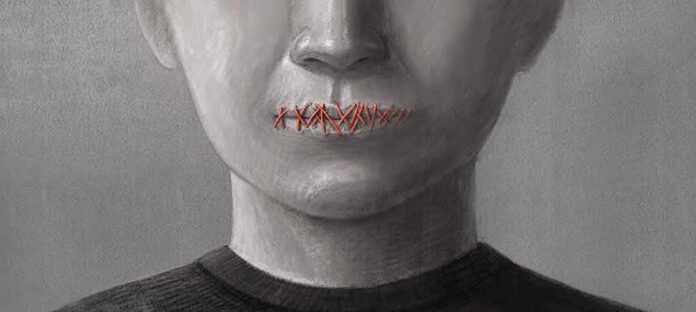
Hundreds of newly released USAID files point to government-tied efforts that touched Big Tech moderation and media reach, renewing hard questions about past speech policing under Biden-era programs.
Story Highlights
- 248 USAID files reportedly include emails, memos, and briefings tied to Meta, Google, and YouTube.
- Reports say USAID-funded monitors flagged online content to platforms across 20 countries.
- Newsweek says the files discuss deplatforming and downranking “high-risk” outlets.
- Supreme Court records show extensive federal contact with platforms in 2021-2022.
What The USAID Files Reportedly Contain
PJ Media reported that 248 USAID files include emails, memoranda, briefings, and guidebooks linked to work with Meta, YouTube, and Google. The account describes monitors in 20 countries “actively flagging content to the platforms,” plus draft partnership language with Facebook aimed at “destabilizers” during political transitions. Newsweek added that proposals discussed “deplatforming and downranking high-risk media outlets,” and referenced Biden-era officials in related requests. These details, if verified at scale, outline a government-funded influence network touching platform policies.
At the same time, the available reporting does not show a signed USAID directive ordering platforms to censor Americans. The coverage points to monitoring, proposals, and communications, but not to a binding agreement or an instruction naming a specific post or user inside the United States. That gap matters for First Amendment analysis. It separates pressure and coordination from proof that USAID commanded platforms to remove lawful domestic speech, or that a particular outlet lost reach due to a USAID-triggered action.
How This Fits The Larger Free Speech Fight
The Supreme Court record in Murthy v. Missouri documented extensive contact between federal officials and platforms during 2021. The Court noted evidence that Facebook changed policy on lab-leak posts after tense talks with the new administration, describing the lower court’s view of a “far-reaching and widespread” effort, before disposing of the case on standing grounds rather than a final merits ruling. Congress also pressed the issue, seeking records on alleged government-platform meetings about COVID-19, Hunter Biden, and elections. Together, these show a broader pattern of federal influence on moderation.
This pattern is why conservatives see a threat. When government money, guidance, or jawboning shapes what people can say or read, the First Amendment is at risk. That risk does not vanish when officials claim to fight “disinformation.” The core test is whether the state coerced or significantly encouraged private moderation. The current USAID reporting, while serious, still needs document-by-document proof tying specific referrals to platform enforcement against named accounts inside the United States.
What USAID Says Its Mission Is
USAID’s own primer frames its work as supporting media monitoring, fact-checking, media literacy, digital rights, and civil society partnerships. It presents the aim as promoting reliable information and countering harmful narratives in program countries, not suppressing viewpoints. A State Department and USAID report to Congress describes “digital democracy” efforts that help independent journalists and civil groups push back on censorship, surveillance, and foreign propaganda. Those descriptions cast the work as pro-freedom abroad, not speech control at home.
USAID oversight materials also stress traditional foreign-assistance guardrails like fraud, waste, and abuse checks, and longstanding third-party monitoring to ensure projects meet goals. Former USAID Administrator J. Brian Atwood told Congress that sweeping claims about USAID were false and often echo Russian and Chinese propaganda that aims to discredit the agency. These official statements do not erase what the new files may show, but they underscore that intent and authority must be proven, not assumed.
What Still Needs Proof—and What Should Happen Next
To settle this, investigators should release the full 248-file archive with stable identifiers and searchable text. Lawmakers should obtain communications linking USAID personnel to specific platform enforcement, including trust-and-safety tickets, ranking changes, and demonetization records. If a draft “destabilizers” agreement with Facebook exists, the negotiation history and any executed version should be produced. Taxpayer costs tied to monitors, guidebooks, and outreach should be traced across grants and subawards.
The USAID files just escalated. A senator now wants the Justice Department to investigate.
The administration dumped 248 internal USAID files online. Memos, emails, briefings, videos.
They show the Biden-era aid agency working with Google, Meta and YouTube to police what the… pic.twitter.com/uqi4yO6BXo
— Ivy (@Ivyseof) November 26, 2026
President Trump’s administration now runs the executive branch. That means cleaning up any leftover Biden-era speech programs, publishing the records, and setting bright red lines. Federal agencies should not pressure platforms to police lawful speech, and they must never use foreign-facing programs to chill debate at home. Sunlight is the fix. Release the files, show the receipts, and restore trust by putting the First Amendment first—every time, for every American.
Sources:
pjmedia.com, newsweek.com, supremecourt.gov, x.com, congress.gov, usaid.gov, docs.house.gov, oig.usaid.gov