
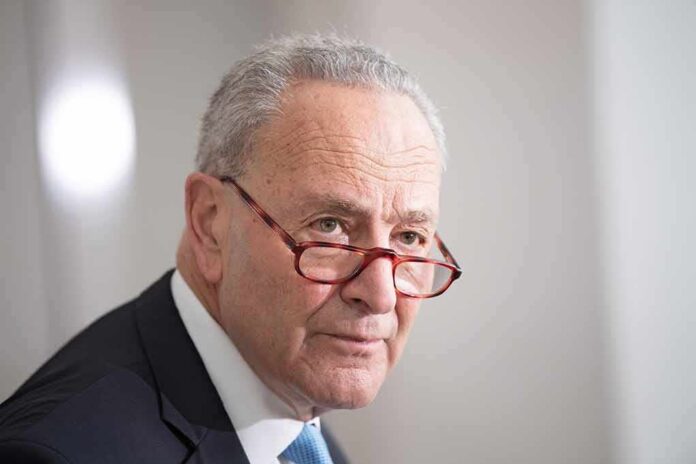
Senate Democrat leader Chuck Schumer is demanding a full congressional probe into President Trump’s handling of Nvidia and Jensen Huang, casting a national-security cloud over America’s top chipmaker while investigations are still ongoing.
Story Highlights
- Schumer called for a full accounting of what the administration knew about Huang’s alleged ties and any impact on security decisions.
- Lawmakers in both parties are seeking classified briefings on Nvidia chips possibly reaching Chinese entities through Megaspeed.
- Nvidia’s board consulted senior U.S. officials and said Huang’s return posed no national-security risk.
- Huang agreed to a closed-door, transcribed interview with House committees about safeguards and his contacts.
Schumer Escalates Probe Framing as National Security
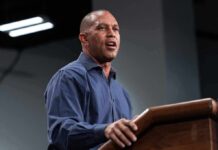
Senate Majority Leader Chuck Schumer said Congress must demand answers about whether Jensen Huang and Nvidia officials put U.S. national security at risk. Schumer’s public push centers on what the Trump administration knew and whether policy choices, including chip sales, were affected. His demand follows weeks of reports on alleged ties between Huang’s contacts and suspected Chinese intelligence. Schumer’s framing goes beyond personal scandal and aims directly at national-security questions and export-control enforcement.
Schumer’s call lands while Republicans also examine Nvidia’s controls and China exposure, giving Democrats cover to claim bipartisan concern. Reuters reported lawmakers are seeking classified briefings on whether Megaspeed moved Nvidia chips to Chinese firms. That focus puts pressure on agencies to show tight oversight, not turf wars. Still, the most serious espionage allegations remain unproven in public, with no released indictments or confirmed finding that secrets changed hands.
What Congress Is Actually Investigating Now
House committees requested details on Nvidia’s export safeguards, the chain of custody for chips routed through Megaspeed, and Huang’s relationship with former executive Alice Huang. Reports say Huang agreed to a closed-door, transcribed interview, which will probe safeguards and any contact with Chinese-linked entities. Committee staff also want records that show how export decisions were made and whether warning signs were ignored inside the company. These steps mark a concrete path beyond headlines.
Nvidia’s independent directors hired outside counsel as scrutiny grew. That move signals the board is treating the matter as more than rumor. Directors must map risks tied to any China-facing sales and confirm controls met federal rules. The company’s leadership remains central to U.S. artificial-intelligence hardware, so any proven lapses could ripple across national strategy. Outside counsel can preserve evidence, manage interviews, and report findings to regulators and Congress if needed.
The Trump Administration’s Position and Board Assurances
President Trump said the United States government had no reason to believe Huang’s return to Nvidia posed a national-security risk. Nvidia’s board chair said the directors received input from senior U.S. government officials and concluded there was no such risk. Trump also said the greater danger would be losing Huang’s leadership during a critical technology race with China. Those statements outlined the administration’s stance and the board’s basis for reinstatement.
Trump said he spoke with Nvidia’s board directly and indirectly as markets reacted to leadership turmoil. He said the board asked for assurance about any national-security threat before voting. He emphasized the long-term health of the American economy and national tech leadership. Those points highlight a competing frame: keep the nation’s top chip innovator stable while agencies probe specific diversion risks. That approach rejects claims of immediate security harm tied to Huang’s role.
What Is Known, What Is Alleged, and What Comes Next
Investigators are probing whether Megaspeed diverted Nvidia chips to Chinese firms, and whether Alice Huang had intelligence ties. Public reports so far do not show a completed enforcement action or proof that Nvidia knowingly joined any circumvention. The evidence for personal financial gain tied to policy decisions also remains thin in public view. These gaps are why committees want sworn testimony, transaction data, and export-license audits before drawing conclusions.
Bipartisan congressional inquiry launched into Nvidia after President Trump pressured the board to reinstate CEO Jensen Huang, citing national security concerns. The move sparks debate over executive oversight and political influence in the tech sector. pic.twitter.com/bSrn1lwbdC
— Azat TV (@azattelevision) November 24, 2026
For conservative readers, the stakes are clear: protect national security without letting partisan theater weaken a key U.S. company. Congress must track chips, audit licenses, and publish declassified summaries when possible. The administration should keep export rules tight and focused on military end users. If wrongdoing is proven, act fast and lawfully. If not, stop moving the goalposts. America needs secure supply chains, strong borders on tech, and fair oversight that does not become political punishment.
Sources:
rocketnews.com, yahoo.com, rmb.reuters.com, nytimes.com, reuters.com, cnbc.com