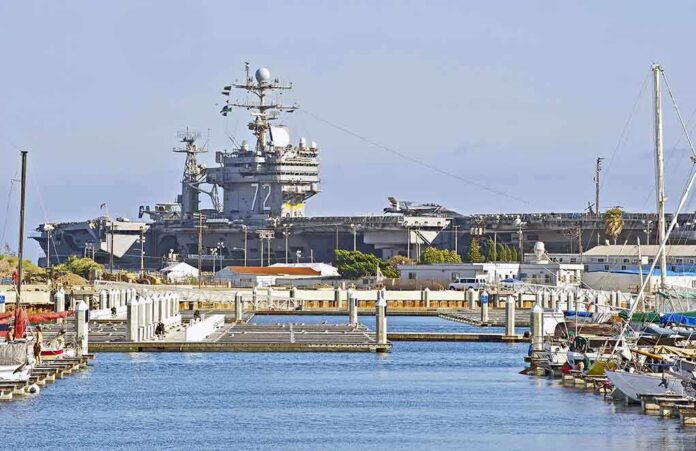
Allied shipyards are already building upgraded Mogami frigates on a fixed timeline while America’s fleet gap grows at home.
Story Highlights
- Australia signed contracts for three upgraded Mogami frigates with first delivery in 2029, showing a real schedule, not a concept.
- Japan and Australia formalized delivery, sustainment, and future Australian shipbuilding on the upgraded Mogami design.
- A White House framework opened the door to allied light combatants, including initial overseas builds under a “Finland Model” approach.
- U.S. law restricts foreign-built warships but allows a presidential national security waiver if required.
Allied Mogami Program Sets a Real Clock
Australian leaders said contracts are signed for three upgraded Mogami frigates, with the first ship due in December 2029. That date sets a real production mark our Navy can see on the calendar, not on a slide. The first three hulls will be built in Japan before work transitions to Australia. This shows a working path from order to delivery that an ally has already locked in, giving Washington an example to measure and learn from.
Japan’s Ministry of Defense linked the April 2026 agreement to deeper defense ties and to concrete delivery and sustainment plans. Tokyo and Canberra also affirmed steps toward an Australian sustainment base and future local shipbuilding on the upgraded Mogami line. For U.S. readers tired of endless studies, that means our closest Indo‑Pacific partners are moving steel, training crews, and setting up support now, while we still debate which path gets ships to sea faster.
Policy Window for Allied Frigates, With Guardrails
An August 2026 White House shipbuilding directive pushed a plan for allied cooperation on light surface combatants. Reporting described a “Finland Model” option that could start with a few ships built abroad while moving production stateside over time. The aim was to add capable hulls faster without waiting years to restart broken lines at home. That approach would still require tight U.S. control of combat systems, data, and security from the start.
Federal law says combat ships for the U.S. military must be built in American yards. But Congress provided a national security waiver for the President to use in rare cases. Any overseas start would have to run through that gate, along with normal oversight and funding. That means the policy track is narrow but real. If leaders choose it, they must tie every foreign-built step to a binding plan that creates American jobs and skills on U.S. soil as production shifts home.
Speed Versus Control: Risks the Navy Must Own
Analysts warned that foreign frigates are built around home-navy standards. Adapting one to U.S. combat systems, weapons, communications, and cybersecurity could trigger redesigns, retesting, and new certifications. That is how programs slip. The warning cites the Constellation class struggles as a reminder that custom changes can snowball. If the Navy picks an allied design, it must freeze requirements, avoid gold‑plating, and keep changes minimal to protect schedule and cost.
Independent reviews show why this discipline matters. Government Accountability Office reports found ship programs run late and cost more when the Navy builds while designs keep changing. The Constellation frigate fell years behind schedule after design instability. Voters have paid for that the hard way. Any Mogami‑based option must pass a tough test: minimal U.S.‑unique changes, clear integration plans, and firm oversight that stops the churn before it starts.
What Conservatives Should Watch Next
Congress should insist that any allied frigate path ends with American workers building ships in an American yard. A “foreign‑first, U.S.‑forever” model can help the fleet today and our industry tomorrow. Lawmakers should demand a production‑transfer plan, a sustainment plan inside the United States, and ironclad data security. That protects jobs, technology, and readiness while getting hulls to sea before China widens the gap further.
🇮🇳 JAPAN OFFERS INDIA MOGAMI-CLASS STEALTH FRIGATE TECHNOLOGY FOR LOCAL PRODUCTION!
Japan has proposed transferring the design and production rights of its advanced Mogami-class frigates to India.
The proposal could include:
• Local construction at Indian shipyards such as… pic.twitter.com/IqtMQPIbWA
— Military Observer (@TheMilObserverr) November 20, 2026
The bottom line is simple. Allies are turning wrenches now, with a 2029 delivery clock already ticking for upgraded Mogamis. The White House opened a legal and policy lane to tap that momentum, with a waiver if needed. Risks are real, but they are known and manageable with firm requirements and accountability. If the Navy keeps changes tight and shifts builds home on schedule, America can add capable ships faster without surrendering our industrial base or our standards.
Sources:
defence.gov.au, mod.go.jp, minister.defence.gov.au, gao.gov