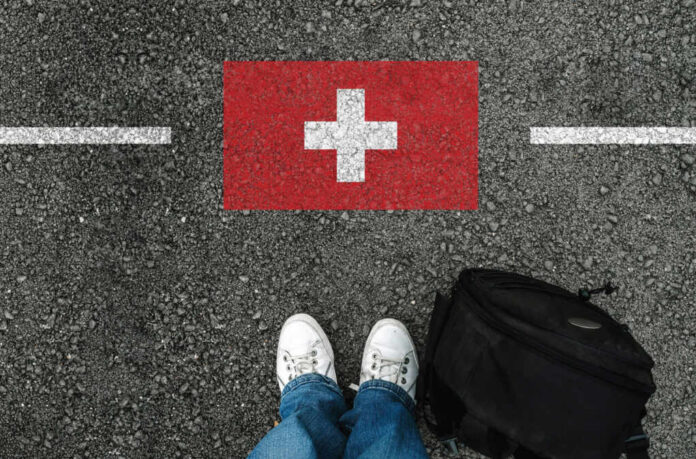
Switzerland’s vote on a 10 million population cap is really a fight over whether a small nation can keep control of its borders, housing, and sovereignty.
Quick Take
- The Swiss People’s Party pushed the population-cap initiative through the signature threshold needed for a referendum [1].
- The proposal would set a 10 million resident ceiling by 2050, with earlier pressure points at 9.5 million [2].
- Supporters say the measure is needed to relieve housing and infrastructure strain [1].
- Opponents warn it could damage the economy and clash with Switzerland’s agreement on free movement with the European Union [1][2].
Referendum Puts Immigration Pressure at the Center
Switzerland is preparing to vote on a constitutional-style population limit after the Swiss People’s Party gathered more than 100,000 signatures, enough to force a nationwide referendum under the country’s direct-democracy rules [1]. The vote reflects a familiar European pattern: citizens see housing pressure, crowded services, and rising public unease, then demand a hard limit rather than more bureaucratic drift. For many voters, the question is simple: how much growth is too much?
The proposal’s main target is a cap of 10 million residents by 2050, with reporting indicating that immigration restrictions would begin to tighten if the permanent population moves above 9.5 million [2]. Switzerland’s current population sits a little above 9 million, so the debate is not about a distant hypothetical. It is about a country already moving toward the ceiling the sponsors want to impose. That reality gives the ballot measure practical force, not just political theater.
Supporters Frame It as a Housing and Capacity Issue
Backers of the initiative argue that population growth is driving housing shortages and pressuring public infrastructure [1]. That argument will resonate with readers who have watched governments promise endless growth while rent, congestion, and public-service strain keep getting worse. The appeal of the measure is not complicated: if elected leaders will not control the pace of change, voters want a direct way to do it themselves. In Switzerland, that mechanism exists, and activists have used it.
The initiative also has clear political pedigree. The Swiss government’s Federal Council rejected the popular initiative and declined to offer a counterproposal, according to Deputy Chancellor Serge Gaillard [1]. That rejection matters because it shows the measure is not fringe chatter; it is a formally reviewed proposal that the government believes could create serious problems. At the same time, the official dismissal may reinforce public suspicion that the political class is more interested in protecting the status quo than solving pressure points.
Critics Warn of Economic and Treaty Consequences
Opponents say the cap could hurt Switzerland’s economy by limiting access to foreign workers who fill labor needs in key sectors [1][2]. Reporting also says the measure could put pressure on Switzerland’s free movement arrangement with the European Union, raising the risk of wider legal and economic fallout [1][2]. That is where the debate becomes more than a domestic population question. If the cap collides with international obligations, Swiss voters may be forced to choose between sovereignty and the costly rules attached to cross-border integration.
With Switzerland establishing a hard population cap of 10 million residents, this will allow a more even distribution of migrants across Europe. Switzerland should not try to avoid their duty to be part of the system they created.
— Jimmy (@JamesCox23) May 17, 2026
Critics also note that Switzerland already depends heavily on foreign-born labor, while fertility remains below replacement level [2]. Those facts do not by themselves settle the policy question, but they explain why the issue is so contested. Supporters see a country trying to preserve quality of life before the system is overwhelmed. Opponents see a policy that could shrink the labor pool and unsettle agreements that underpin trade and mobility. Both sides are arguing from real constraints, not abstract ideology.
Why the Vote Matters Beyond Switzerland
The larger significance reaches beyond Swiss borders because migration politics across Europe now turns on the same pressure points: housing, services, wages, and national control [1][2]. When governments fail to manage immigration in a way voters can feel, ballot measures like this become the outlet. If Swiss voters approve the cap, it would signal that direct democracy still gives citizens a way to push back against elite-managed population growth. If they reject it, the establishment will claim the public still trusts open-ended expansion.
What remains unclear from the available reporting is the exact legal path the cap would follow if it passes. The sources describe enforcement triggers and possible treaty conflicts, but they do not provide the full initiative text or a complete legal analysis of every consequence [1][2]. That limitation matters. Still, the vote itself is unmistakably important: it is a public test of whether a prosperous European nation wants to keep growing under current rules or draw a hard line before demographic pressure changes the country beyond recognition.
Sources:
[1] YouTube – Switzerland votes on far-right plan for 10 million population cap
[2] Web – Why a Swiss population cap baffles experts