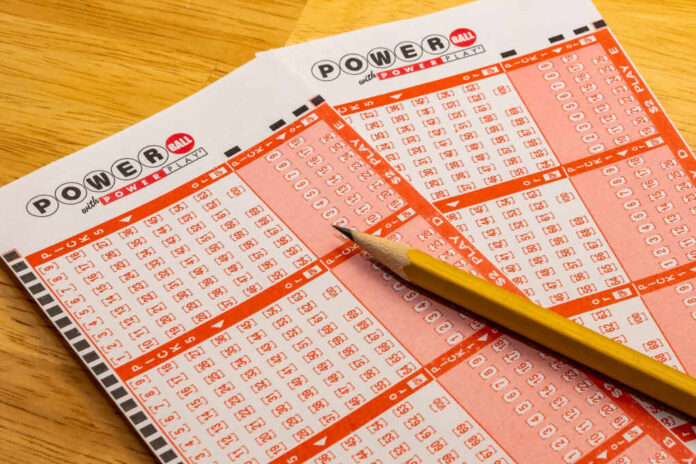
A historic Powerball jackpot has climbed to an estimated $1 billion for the second time this year, igniting national fascination and prompting serious debates about fiscal priorities and the ethical implications of lottery revenues. Following 42 consecutive drawings without a winner, the frenzy highlights both the allure of life-altering wealth and the complex realities potential winners and state governments face.
Story Highlights
- The Powerball jackpot hits an astounding $1 billion for the second time this year.
- The drawing frenzy continues amid the 42nd consecutive draw without a winner.
- Massive jackpots raise questions on fiscal management and state priorities.
- Winners face taxing decisions between lump sum and annuity payments.
Powerball Jackpot Reaches a Billion Dollars Again
The Powerball jackpot has reached an estimated $1 billion for the December 13, 2025 drawing, marking a significant milestone as this is the second time this year the jackpot has hit such a high. This comes after no winners emerged in the December 10 drawing, continuing an unprecedented streak of 42 consecutive drawings without a winner. The last time the jackpot was claimed was on September 6, 2025, with a $1.787 billion prize split between winners in Missouri and Texas.
The excitement and frenzy around these massive jackpots often overshadow the critical discussions regarding the use of lottery revenues. States like California have benefited significantly from these draws, with a portion of the proceeds directed towards public education and other state-funded programs. However, the long-term implications for winners are less straightforward. Choices between a lump sum or an annuity payment, which increases by 5% annually, must be carefully considered given the substantial tax implications.
Powerball jackpot swells to enormous $1B prize, after no winnerless drawing Wednesday night https://t.co/OSLXXDSCCD pic.twitter.com/amNSRxKzHY
— New York Post (@nypost) December 11, 2025
Implications of Consecutive Mega Jackpots
The Powerball, managed by the Multi-State Lottery Association (MUSL), was launched in 1992 and has seen its jackpots soar since the 2015 changes in its matrix, which increased the odds of winning. While these rolling jackpots attract significant attention and ticket sales, they also tie into broader economic discussions. The allure of potentially life-altering wealth contrasts sharply with the reality of the 1 in 292.2 million odds of winning the big prize. Meanwhile, secondary winners in states such as Maryland, Michigan, and New Jersey are seeing smaller, yet significant, $1 million prizes.
Despite the excitement, these enormous jackpots have sparked debates over the societal impacts of lotteries, which some critics argue disproportionately affect lower-income communities. The massive revenue streams generated by these lotteries underscore the need for responsible fiscal management and transparent allocation of funds to ensure they benefit the intended public services.
Potential Long-Term Effects for Winners and Communities
For the potential jackpot winners, the realities of sudden wealth can be daunting. High tax rates, possible mismanagement of funds, and the so-called “lottery curse” are real considerations. On a broader scale, the revenue generated from these lotteries is crucial for many states, contributing significantly to public programs. Yet, the overarching question remains: are these funds being utilized effectively and ethically?
As the next drawing approaches, the excitement continues to build, with millions of Americans dreaming about what they could do with such enormous wealth. Whether it leads to positive change or simply fuels more debate about fiscal priorities and the ethics of lotteries, one thing is certain: the Powerball has once again captured the nation’s attention.
Watch the report: Powerball jackpot soars to $1 billion after no big winner in latest drawing
Sources:
- Powerball Jackpot Rises To $1 Billion—Here’s What The Winner Could Take Home
- Powerball jackpot reaches $1 billion, seventh-largest prize since 1992
- Powerball jackpot surges to $1B