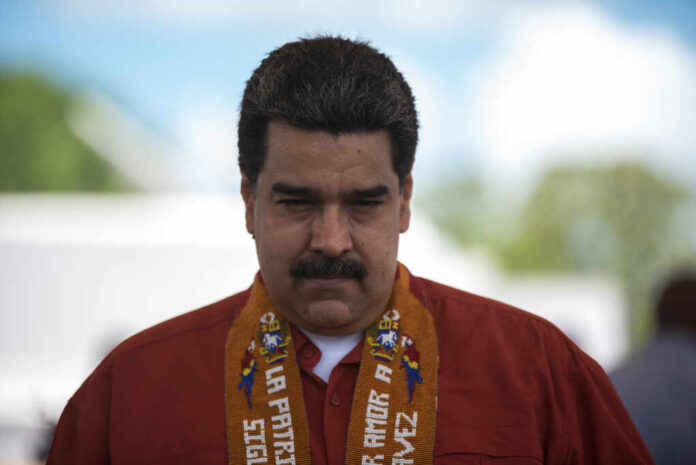
A US military strike killed 11 aboard an alleged Venezuelan drug vessel, sparking a severe geopolitical and legal clash with President Maduro.
At a Glance
- US Navy strike on September 1, 2025, destroyed a suspected drug vessel and killed 11 people.
- Nearly 4,000 Marines and multiple warships deployed to southern Caribbean waters in August 2025.
- Maduro declared Christmas on October 1 and doubled troop deployments to 25,000.
- International legal experts warn the strike may breach maritime law.
Escalation at Sea
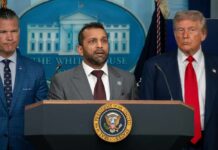
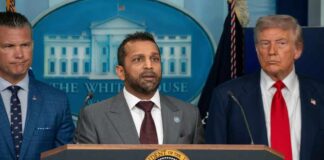
President Trump announced on September 2 that a US Navy airstrike destroyed an alleged Venezuelan drug-smuggling boat, killing 11 people. The US said the group belonged to the Tren de Aragua gang, expanding its campaign against cartels. This strike followed an August deployment of Marines and warships to the region.
Watch now: U.S. Military Strikes Venezuelan Drug Boat, President Nicolas …
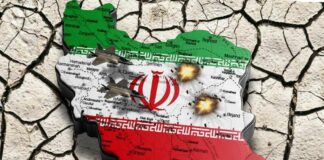
The Navy’s show of force included F-35 and F-16 fighters staged to support the buildup. The Pentagon said Venezuelan planes conducted provocative fly-bys over a US vessel days later. Washington framed the strike as counterterrorism, warning that any hostile aircraft threatening US forces could be shot down.
Maduro’s Counterpunch
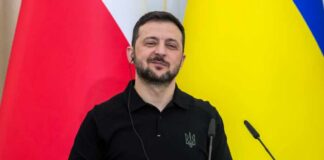
Maduro responded with defiance. He declared Christmas would begin October 1, casting it as a morale boost for a besieged nation. He used holiday imagery to unite citizens around his call for vigilance.
He also doubled troop deployments from 10,000 to 25,000 to shield oil fields and border zones. His rhetoric painted the naval surge as a regime change attempt. He staged ceremonies with militias, stressing armed readiness but also calling for dialogue instead of war.
Legal and Political Firestorm
The strike drew sharp debate inside the US. Legal experts warned the attack lacked transparent evidence and raised due process concerns. They questioned whether Washington could legally sink a boat in international waters without public proof.
Some Republicans defended the strike as a wartime necessity. Senator JD Vance said drug cartels function as combatants and merit military response. Senator Marco Rubio argued deterrence required decisive action. Critics countered that these arguments stretched both constitutional and international law.
International observers cautioned the strike may mark a shift in US doctrine. By treating drug traffickers as terrorists, Washington risked undermining global legal norms. Venezuela seized on this to rally allies, framing the clash as resistance to imperial overreach.
Sources