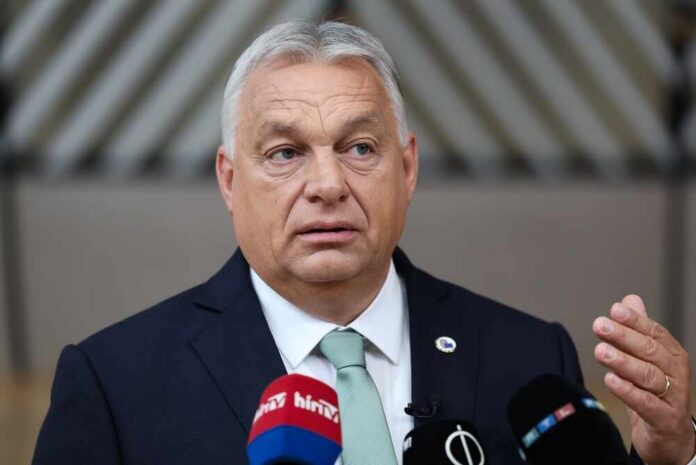
Viktor Orbán, Donald Trump’s closest European ally and a beacon for nationalist conservatives, trails by double digits in polls just one day before Hungary’s pivotal election, threatening a stunning upset to his 16-year rule.
Story Highlights
- Orbán’s Fidesz party faces defeat to challenger Péter Magyar amid economic stagnation and corruption scandals.
- U.S. Vice President JD Vance rallies in Budapest on April 10 to bolster Orbán, highlighting MAGA’s stake in the outcome.
- Polls show Orbán down by up to 11 points, a first in his dominant career, driven by voter frustration with governance failures.
- A potential loss weakens global populist momentum and President Trump’s international influence against EU globalism.
Orbán’s Unexpected Vulnerability
Péter Magyar, a former Orbán insider, leads polls by double digits as Hungary heads to the polls on April 12, 2026. Economic woes post-2022, including stagnation and EU fund freezes over rule-of-law issues, fuel voter discontent. Scandals have eroded trust in Fidesz’s long grip on power. This election pits Orbán’s pro-Russia, EU-skeptic nationalism against Magyar’s anti-corruption, pro-EU conservative platform. Conservatives worldwide watch as systemic media control faces its toughest test.
Trump Allies Rush to Defend Nationalist Stronghold
U.S. Vice President JD Vance campaigned in Budapest on April 10, 2026, urging Hungarians to back Orbán against globalist forces. President Trump’s endorsement underscores the stakes for America First principles abroad. Orbán’s model of sovereignty and border security inspired MAGA, yet his authoritarian tactics draw criticism even from the right. Vance’s rally signals desperation as polls widen Magyar’s lead, raising questions about external influence in sovereign elections. Frustrated citizens on both sides demand accountability from entrenched elites.
Historical Power Grab Meets Current Backlash
Since 2010, Orbán rewrote Hungary’s constitution, captured media, and centralized institutions through Fidesz, creating what critics term an electoral autocracy. Past victories relied on alleged irregularities like vote buying, securing super-majorities. This cycle differs with Magyar’s insider challenge and no prior double-digit deficit. EU tensions over Russia ties alienate pro-European voters while inspiring nationalists. Both conservatives and liberals express shared anger at government unresponsiveness, echoing American concerns over deep state corruption and elite self-interest.
Expert Warnings on Post-Election Chaos
Ian Bremmer predicts Orbán’s empire could crash, delivering a blow to Trump and Putin, though Fidesz retains institutional tools for obstruction. Ivan Krastev notes diminished symbolic leadership for Europe’s right, without ending populism. Zsuzsanna Végh highlights economic drivers pushing toward pro-EU shifts. Skeptics warn Fidesz may block a new government via captured systems, even in defeat. Uncertainty looms over peaceful power transfer, mirroring global fears of elite resistance to voter will.
Implications for America and Beyond
A Magyar victory promises short-term economic relief, EU fund releases, and Ukraine policy changes, easing Hungarian stagnation. Long-term, it signals far-right vulnerabilities in Europe, hitting Trump’s brand and Russian allies. Hungarians face either continued autocracy or democratic probes into corruption. This reflects bipartisan American frustration: government serves the powerful, not hardworking citizens chasing the dream. Orbán’s resilience persists, but polls suggest a reckoning against failures of both nationalist overreach and globalist pressures.
Sources:
CRD.org: Viktor Orbán Historical Context