BRICS leaders issued a joint call for “maximum restraint” in the Middle East as the United States and Iran edge closer to a wider war that could rattle trade, energy, and global security.
Story Highlights
- BRICS adopted a unanimous New Delhi Declaration urging “maximum restraint” in the Middle East.
- The statement pressed for civilian protection and respect for sovereignty under the United Nations Charter.
- Leaders warned against actions or rhetoric that escalate tensions and disrupt energy and supply chains.
- The bloc tied restraint to dialogue and diplomacy to achieve long-term regional stability.
BRICS Backs Restraint And Civilian Protection
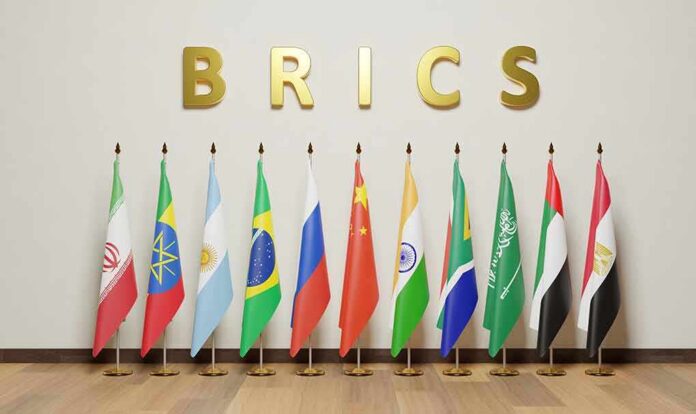
Leaders from Brazil, Russia, India, China, South Africa, and new members adopted a joint New Delhi Declaration on September 12, 2026. The text called for “maximum restraint” in the Middle East, reflecting shared concern over rising violence and regional fallout. The declaration also urged protection of civilians and critical infrastructure. It anchored that call in the purposes and principles of the United Nations Charter, including respect for sovereignty and territorial integrity, signaling a rules-based framing for de-escalation.
The statement warned against steps that “could further aggravate the situation,” and asked all parties to avoid provocative actions and declarations. Leaders linked these appeals to practical risks across trade and energy routes that serve the global economy. The message was broad by design. It balanced national positions inside the group while still pressing for lower tensions. That approach aimed to keep channels open and reduce the chance of miscalculation as clashes continue.
Diplomacy Over Escalation, With An Eye On Energy And Trade
BRICS tied restraint to dialogue and diplomacy as the path to a “long-term understanding” that can support lasting peace and stability. Reporting on the talks shows the bloc favored de-escalation steps that lower civilian harm and protect infrastructure, including sensitive sites. Leaders also stressed the importance of keeping global trade, supply lines, and energy flowing. That reflects the reality that any shutdown in shipping lanes or pipelines can raise costs for families and businesses worldwide.
Coverage of the summit describes a united front in the final text. Outlets noted the declaration was adopted unanimously after careful negotiations. That unity matters because the group includes rivals with clashing stakes in the region. Securing a single statement signals a minimum common ground: stop the spiral, protect civilians, and keep vital economic arteries open while diplomacy works.
What This Means For America, Allies, And Our Economy
Energy markets move on fear as much as barrels. Any strike that hits tankers, pipelines, or ports can spike fuel prices at home. The BRICS call underscores that risk and urges all sides to step back from actions that inflame the region. The civilian protection language tracks with long-standing American values. It also sets a baseline for talks that reduce the chance of a wider war that would strain our military, stress supply chains, and raise costs for working families.
For the Trump administration, the message abroad is clear: hold firm on American security interests, deter threats, and keep sea lanes open, while pushing partners to take real steps that cool tensions. BRICS’ unity around restraint and diplomacy shows that many major economies want to avoid a regional blowout. That gives Washington room to press for targeted de-escalation and practical safeguards that protect our troops, our allies, and our energy security.
Sources:
zerohedge.com, freepressjournal.in, dw.com, www3.nhk.or.jp, infobrics.org