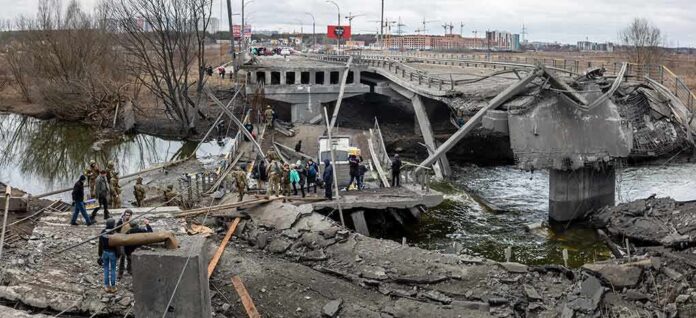
Nepal’s government confirmed hundreds dead and thousands displaced after sudden flash floods tore through the Bhote Koshi River region, overwhelming roads, bridges, and power sites.
Story Snapshot
- Kathmandu reported severe floods, mass casualties, and major infrastructure damage.
- Nepal fully mobilized search, rescue, medical care, and relief operations.
- Authorities recovered over 500 bodies as rescue teams kept searching for the missing.
- The United Nations released emergency funds and is backing relief efforts.
Government Confirms Scale of Catastrophe and Mobilizes Response
Nepal’s Ministry of Foreign Affairs said flash floods hit the Bhote Koshi River area on August 26, causing heavy loss of life and wrecking houses, roads, bridges, hydropower sites, and other critical systems. Officials said Nepal’s security forces, disaster managers, local leaders, and health services were fully deployed for search, rescue, evacuation, trauma care, and relief. The update stressed that the response covered the full length of the river corridor and nearby districts that faced landslides and debris flows.
Authorities reported that 538 bodies were recovered from river areas, while many people, including tourists, remained missing. The ministry also released nationality-based data to help identify victims. It said 632 people from 33 countries had been tracked, with 122 found and 511 still missing at that time. These figures show the wide footprint of the disaster and the pressure on morgues, hospitals, and local offices to process identifications with care and speed.
Search, Rescue, and Relief Intensify Amid Shifting Conditions
Reuters reported that Nepal resumed search and rescue after a brief weather pause as crews hunted for nearly 3,000 missing people across the flood zone. That same report cited an initial rebuild estimate of four to five billion dollars, showing the huge task to restore roads, power, and public services. United Nations reports said almost 3,750 people had been rescued by August 28 and that emergency teams were working to reopen access, move supplies, and stabilize health care.
United Nations relief chief Tom Fletcher released two million dollars from the Central Emergency Response Fund to support urgent medical care, shelter, and clean water, and said the United Nations is mobilizing supplies and teams to assist Nepal’s authorities. These funds will help speed water purification, temporary shelter, and trauma care. They also help cover logistics like airlifts to isolated valleys, where landslides and broken bridges slow aid and evacuations.
Why the Numbers Differ and What That Means for Families
Different death and missing totals appeared across official and media reports over several days. That often happens when agencies track separate regions, use different cutoffs, or update at different times. Nepal’s ministry figures reflect bodies recovered and a count of tracked foreign nationals, while wire services reported larger missing numbers tied to broader areas and evolving rescue data. These gaps reflect timing and geography, not doubt about the disaster’s scale.
LIVE: Nepal after deadly flash flood
The aftermath and rescue efforts after a huge wall of mud and rock collapsed into a river on the Himalayan border between Nepal and China's Tibet, triggering severe flooding on the Nepali side. https://t.co/cPZt4Z9pBK
— Richard S (@Richard01173388) August 31, 2026
For families and rescuers, the priority remains clear: locate the missing, identify the dead, and restore key services fast. That requires safe river crossings, cleared roads, and steady fuel and medical stocks. It also needs strong data work. Matching names, passports, and hospital logs speeds closure for families at home and abroad. The government’s nationality list shows that process is underway, even as mountain weather and debris make each search day hard.
Infrastructure Damage and the Road to Rebuilding
Damage to hydropower sites and highways matters beyond Nepal. Power lines and border trade routes connect to regional markets. When a flood knocks out turbines, it hits local jobs, factory output, and home power use. Reuters reported that the finance ministry’s early rebuild figure reached up to five billion dollars, which signals hard choices on what to fix first and how to fund it without waste or delay. Getting bridges and power plants back online will anchor the recovery.
Clear priorities can speed progress. First, unlock access by clearing landslides and restoring key bridges. Second, protect hospitals and clinics with backup generators and safe water. Third, secure riverbanks near towns and power sites before the next heavy rain. Each step reduces risk for rescue teams and for families trying to return. United Nations support and private donors can help, but clear local control and transparent tracking of projects will make the money count.
What Americans Should Watch and How to Help Wisely
American readers should watch three markers: steady rescue progress, transparent identification of victims, and early wins on reopening roads and power. Those signs mean families get answers and aid moves faster. Private giving should focus on groups that work with Nepal’s authorities and can deliver clean water, medical kits, tarps, and food where roads are still cut. Strong local leadership, backed by smart aid, protects lives and limits the chance of a second crisis from disease or shortages.
This disaster also shows a larger mountain risk pattern. Steep terrain, glaciers, and narrow valleys can turn heavy rain or ice collapse into sudden floods. That calls for better mapping, river gauges, and early warnings along busy corridors. Nepal’s officials and global partners are working on that. For now, the mission is urgent and simple: find survivors, support families, and rebuild the lifelines that keep remote towns connected to hope and help.
Sources:
reuters.com, aljazeera.com, news.un.org