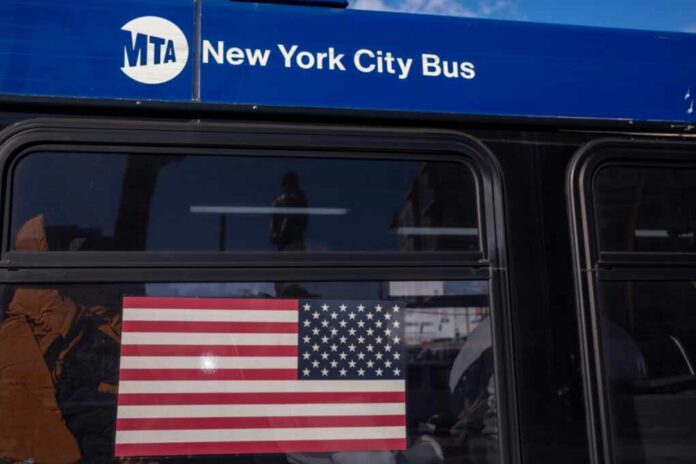
For small business owners in East Harlem, Phase 2 of the Second Avenue Subway is not a promise of progress, but a wrecking ball. Despite public assurances of support, beloved family businesses—some with decades of community roots—are being steamrolled by bureaucratic indifference and delayed compensation from the powerful MTA. This ongoing struggle in East Harlem is a stark local example of a national trend: government overreach prioritizing costly, drawn-out projects over the livelihoods and unique character of America’s working-class communities.
Story Highlights
- Small business owners in East Harlem battle the powerful MTA as Phase 2 of the Second Avenue Subway brings disruption and displacement.
- Despite public promises, the MTA has failed to deliver timely or adequate compensation and support to affected businesses.
- Many beloved community businesses have already been shuttered or forced to relocate, threatening the area’s unique character and economic stability.
- The situation exemplifies a growing trend of government overreach and disregard for hardworking Americans in favor of costly, drawn-out projects.
Century-Old Promises, Modern Consequences for Local Businesses
The Second Avenue Subway, first proposed over a hundred years ago, was intended to ease congestion and improve transit for everyday New Yorkers. Yet, for the small business community in East Harlem, the reality has been devastating. Decades of shifting priorities and repeated delays have left local shopkeepers in a perpetual state of uncertainty. As Phase 2 construction disrupts streets and foot traffic, the MTA’s promises of assistance have proven hollow, with many businesses reporting little more than red tape and empty reassurances. The loss of these businesses represents more than economic hardship—it’s the erasure of community identity and tradition.
Longtime NYC businesses being displaced by 2nd Ave. Subway say MTA is dragging its feet on promised help: ‘David and Goliath’ https://t.co/hSbyOjphGI pic.twitter.com/p1gwFA7Xhl
— New York Post (@nypost) November 16, 2025
While the MTA claims to offer mitigation and support, business owners along Second Avenue tell a different story. They liken their fight to a “David and Goliath” struggle, with the power imbalance heavily favoring the state agency. Many proprietors, some with decades-deep roots in the neighborhood, report that promised compensation has been delayed or denied. Lengthy bureaucratic processes and a lack of transparent criteria have left families in limbo, unable to plan or invest in their future. The consequences are immediate—lost revenue, layoffs, and shuttered storefronts where generations once built the American dream.
Government Overreach and the Erosion of Community Values
These government actions highlight a disturbing pattern: massive public projects steamroll over local interests, all in the name of “progress.” Residents and business owners say that the very agencies sworn to serve them are instead prioritizing multi-billion-dollar budgets and political milestones. The result is a slow-motion disaster for East Harlem’s working-class families, many of whom feel their voices are drowned out by bureaucratic procedures and public relations spin. The displacement echoes the failures of previous leftist policies—where government expansion tramples individual rights, local economies, and longstanding American values of hard work and self-reliance.
Community boards and local officials have attempted to mediate, but their influence is minimal compared to the institutional power wielded by the MTA and city bureaucracy. Even advisory committees, intended to provide a voice for residents and businesses, often function as little more than window dressing. The broader trend is clear: government overreach and unaccountable agencies are eroding both economic freedom and the unique character of historic neighborhoods.
Long-Term Impact: Displacement, Gentrification, and the Fight for Accountability
The ongoing turmoil in East Harlem is not just a short-term hardship but a warning for communities nationwide. Without robust, enforceable compensation and mitigation, small businesses are left defenseless against sweeping infrastructure plans. The permanent closure of family-run stores accelerates gentrification, driving up property values for outsiders while undermining the stability and diversity of the neighborhood. These developments raise troubling questions about who benefits from such projects and whether government agencies are being held accountable for the real human costs of their decisions. As the Trump administration pushes for greater accountability and transparency at federal levels, the situation in East Harlem serves as a stark reminder of the dangers posed by unchecked local government power.
For conservatives, the lesson is urgent: defending American values means standing up for small businesses and demanding that public authorities respect the rights of citizens, not just the interests of bureaucrats or mega-project managers. The struggle on Second Avenue is a microcosm of the ongoing fight to preserve liberty, property rights, and the fabric of American communities against the tide of government overreach and unfulfilled promises.
Watch the report: MTA’s 2nd Avenue subway plan sparks local concern
Sources:
Longtime NYC businesses being displaced by 2nd Ave. Subway rip MTA for dragging on promised help: ‘David and Goliath’
City Limits: East Harlem Braces as Next Phase of 2nd Avenue Subway Nears