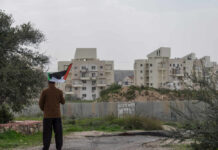
The recognition of Palestinian statehood by major Western countries marks a significant diplomatic shift with far-reaching implications for global politics.
Story Highlights
- The UK, Canada, and Australia have officially recognized Palestinian statehood.
- Hamas applauds the move, interpreting it as a reward for its actions.
- This recognition has sparked significant diplomatic tensions with Israel.
- Potential impacts include shifts in the peace process and regional stability.
Western Recognition of Palestinian Statehood: A Diplomatic Shift
The United Kingdom, Canada, and Australia have officially recognized the state of Palestine, marking a significant shift in Western foreign policy traditionally aligned with Israel. This decision follows similar recognitions by Spain, Ireland, and Norway in 2024, reflecting growing international support for Palestinian statehood. The recognition has been met with mixed reactions, highlighting the complex dynamics of Middle Eastern diplomacy.
The recognition by these Western countries has been hailed by Hamas as a validation of its resistance against Israel. Hamas, a designated terrorist organization, views this diplomatic move as a victory and a step towards international legitimacy. The timing of the recognition, shortly after a period of intense conflict in Gaza, adds to its controversial nature.
Hamas Terrorists Rejoice as UK, Australia, and Canada Recognize Palestinian State https://t.co/GphBdWB12B via @BreitbartNews Stupid decision.
— Woodrow Williams (@Woodrow17165268) September 22, 2025
Implications for Peace and Security
Israel has strongly condemned the recognition, arguing that it undermines the peace process and rewards terrorism. Israeli officials have recalled ambassadors from the recognizing countries, highlighting the diplomatic fallout. The recognition could potentially embolden Hamas and other non-state actors, complicating efforts for a negotiated settlement to the Israeli-Palestinian conflict.
The decision by the UK, Canada, and Australia may set a precedent for other Western nations to follow suit, potentially altering the landscape of Middle Eastern diplomacy. While some view this as a step towards a two-state solution, others fear it could entrench divisions and escalate regional tensions.
Potential Consequences and Future Developments
In the short term, the move has increased diplomatic strain between Israel and the recognizing countries, with potential for regional escalation. Long-term implications could include shifts in the balance of power within Palestinian politics, as Hamas gains political capital from the recognition. The impact on the peace process remains uncertain, with renewed calls for negotiations and a ceasefire in international forums.
The broader implications of this recognition on international law and diplomacy are significant, setting new benchmarks for state recognition. It also raises questions about the role of non-state actors in international politics and the future of the Israeli-Palestinian conflict. As the situation evolves, stakeholders will need to navigate complex geopolitical dynamics to avoid further escalation.
Watch the report: Australia recognises Palestinian state, prompting furious reaction from Israel | ABC NEWS
Sources:
Reuters, “Hamas welcomes recognition of Palestinian state by UK, Canada, Australia,” September 2025.
BBC News, “UK, Canada, Australia recognize Palestinian state,” September 2025.
The Guardian, “Diplomatic fallout after Western states recognize Palestine,” September 2025.
Times of Israel, “Israel condemns Western recognition of Palestinian state,” September 2025.