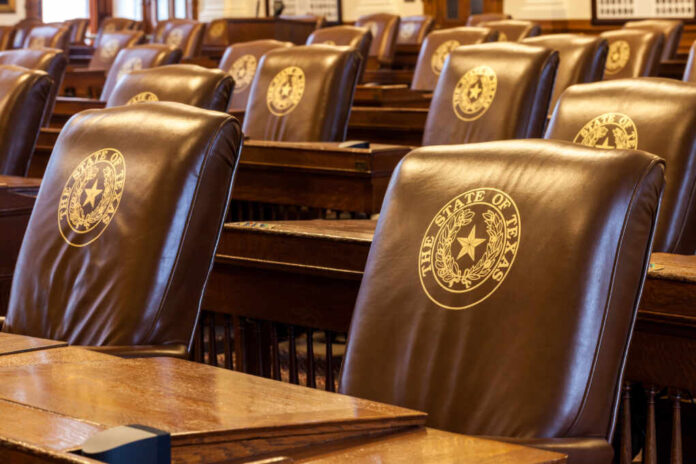
A Republican-led redistricting push in Texas is prompting blue states like California to consider overriding independent map commissions, deepening partisan conflict over electoral boundaries.
At a Glance
- Texas Republicans are redrawing maps mid-decade to gain up to five more congressional seats
- Former President Trump has publicly supported the effort and urged similar moves in red states
- California Democrats are exploring legal avenues to bypass the state’s independent redistricting commission
- The fight could reshape the 2026 House map well ahead of the 2030 census
- Legal experts warn of lasting damage to redistricting norms and institutional trust
Texas Redistricting Push
Texas lawmakers, led by the Republican majority, are advancing a controversial mid-decade redistricting plan aimed at boosting GOP representation in the U.S. House. Backed by former President Donald Trump, the initiative could create up to five additional Republican-leaning seats. Although redistricting traditionally occurs once per decade following the census, Texas leaders argue that recent court decisions allow for map changes if political control shifts or population dynamics change significantly.
Democratic lawmakers responded by fleeing the state to block a legislative quorum, prompting Republican officials to initiate efforts to strip them of committee assignments or remove them from office. The Texas Supreme Court has agreed to hear arguments on whether the redistricting move violates the state constitution or national standards.
Watch now: California Gov. Newsom weighs in on Texas’ redistricting effort · YouTube
The effort has reignited debates over gerrymandering, minority voter dilution, and the use of mid-cycle redistricting to entrench partisan power. Critics argue that such actions erode trust in electoral fairness and destabilize national political norms.
Blue States Consider Retaliation
In response to Texas’s maneuver, Democratic leaders in several blue states are exploring similar strategies. California Governor Gavin Newsom has floated the possibility of using a statewide special election to temporarily bypass the state’s constitutionally mandated independent redistricting commission. The goal would be to redraw existing congressional districts to favor Democrats, mirroring Texas’s partisan approach.
Although such a move would likely face legal challenges, Newsom’s administration argues that failing to respond would leave Democrats at a structural disadvantage in future congressional elections. Democratic-controlled legislatures in other states, including Illinois and New York, are also reviewing options for legally permissible redistricting prior to 2030.
If enacted, these efforts would represent a fundamental departure from previously accepted bipartisan norms, particularly in states that had enshrined nonpartisan or independent processes into law or state constitutions.
National Implications
The unfolding standoff over congressional boundaries could have immediate effects on the 2026 midterms and longer-term consequences for the U.S. political system. The redistricting cycle—traditionally anchored to decennial census data—is now being tested by partisan demands for more frequent and opportunistic remapping.
Legal scholars warn that escalating tit-for-tat redistricting could diminish the credibility of independent commissions and weaken constitutional safeguards. Although courts may eventually intervene, the pace of these changes suggests that political pressure is outpacing judicial review.
Moreover, national party leaders are increasingly treating redistricting as a strategic tool rather than a neutral administrative task. The outcome could reshape the balance of power in Congress, especially in closely divided chambers where a few seats can determine legislative control.
Sources