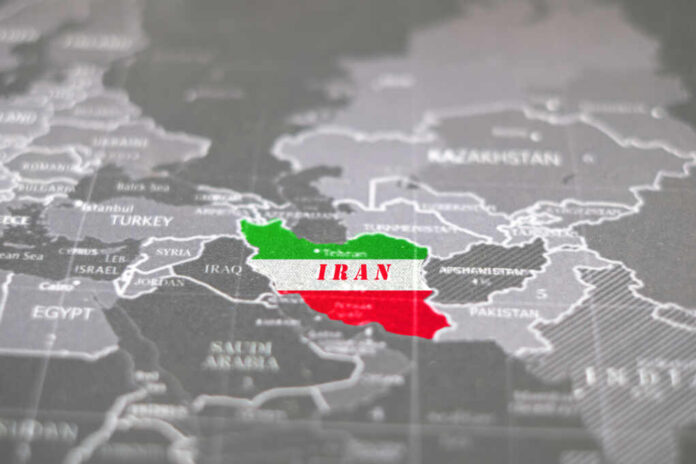
Iran is currently engulfed in nationwide protests, fueled by pervasive economic hardship and deep-seated political repression that is challenging the regime’s authority. This internal strife is unfolding amidst vocal international criticism, most notably from the Trump administration, which has openly condemned the aggressive crackdown on demonstrators and reaffirmed support for potential Israeli military action against Iran’s nuclear program. The situation remains volatile as calls to topple Supreme Leader Ali Khamenei intensify across the country.
Story Highlights
- Nationwide protests erupt in Iran over economic distress and political repression.
- Trump administration openly criticizes Iran’s aggressive crackdown on demonstrators.
- Trump reaffirms support for potential Israeli strikes against Iran’s nuclear program.
- Protests intensify with calls for the fall of Supreme Leader Ali Khamenei.
Protests Erupt Across Iran
On December 28, 2025, small protests began in Tehran due to worsening economic conditions. By December 29, these protests had expanded nationwide, with merchants shutting down for a third day. Chants of “death to the dictator” and calls to topple Supreme Leader Ali Khamenei echoed through the streets, reflecting deep economic and political discontent. Verified videos showed gatherings near Tehran’s bazaar chanting “azadi” (freedom), met by security forces.
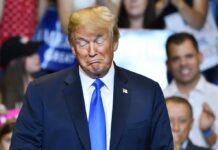
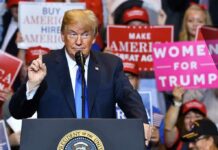
President Donald Trump, hosting Israeli Prime Minister Benjamin Netanyahu at Mar-a-Lago, publicly condemned Iran’s crackdown on protesters. He remarked on Iran’s responses, stating, “They kill people… every time they have a riot, they start shooting.” Trump also reaffirmed support for potential Israeli strikes on Iran’s nuclear and missile programs, underscoring the administration’s firm stance against Iran’s military ambitions.
On December 30, 2025, the streets of #Iran instead bore witness to a significant escalation in anti-government sentiment. For the third consecutive day, the historic bazaars of Tehran and major provincial capitals shuttered their gates, but this economic strike has now fused with…
— NCRI-FAC (@iran_policy) December 30, 2025
Historical Context and Current Tensions
The roots of Iran’s current unrest can be traced to longstanding economic sanctions, corruption, and political repression that have plagued the nation since 1979. Iran’s economic challenges have been exacerbated by persistent inflation and a government crackdown on dissent. The protests of 2025 stand out due to their economic triggers and explicit anti-regime chants, occurring amidst heightened tensions between the U.S. and Iran.
U.S.-Iran tensions escalated earlier in 2025 when President Trump, initially discouraging, later supported Israeli strike considerations on Iran’s nuclear sites. Recent expansions of Iran’s missile and nuclear programs prompted Trump’s warnings, signaling the revival of the U.S. “maximum pressure” policy and Israeli advocacy for military action.
Implications and Potential Outcomes
In the short term, heightened crackdowns by Iran’s regime risk escalating crime and further casualties. U.S. warnings could provoke Iranian retaliation, potentially destabilizing the region. Long-term, sustained protests could weaken the regime, while military strikes may lead to broader conflict. The economic, social, and political impacts are profound, with bazaars shut down, inflation worsening, and public discontent surging amid executions.
The geopolitical landscape remains tense as Iran’s internal fragility grows under external pressure from the U.S. and its allies. Trump’s unwavering support for Israel underscores a strategic alliance against Iranian threats, while Iranian leadership continues to use force to maintain control amid growing unrest.
Watch the report: Protests erupt across Iran as currency sinks to record low
Sources:
- Protests, strikes after Iran’s economic situation rapidly deteriorates | Israel-Iran conflict News | Al Jazeera
- Third day of Iran protests marked by multiple arrests, attack on students
- Protests Erupt In Iranian Capital Following Record Drop In Rial Value – OpEd – Eurasia Review
- Protests erupt in Iran over nation’s tanking economy as people reach ‘point of explosion’