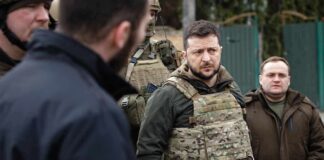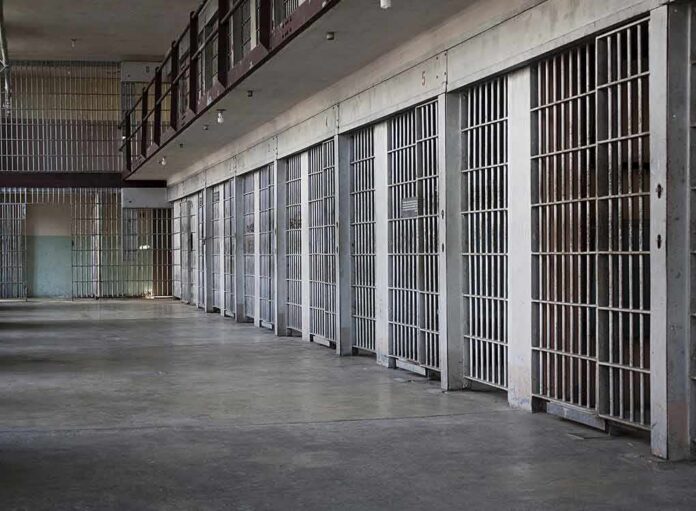
First photos of Nicolás Maduro behind bars land as the United States presses a sweeping narco-terrorism case built over years, signaling real accountability for a regime long tied to cocaine trafficking into our country.
Story Highlights
- Justice Department indictments accuse Maduro of a long-running narco-terror partnership and cocaine imports into the United States.
- State Department says Maduro is in U.S. custody at the Metropolitan Detention Center in Brooklyn, awaiting trial.
- Media reports say he appeared in federal court and pleaded not guilty, calling himself “innocent”.
- Superseding indictment in 2026 expanded the case and added cartel links, showing a broader criminal theory.
What the U.S. Case Says About Maduro’s Alleged Crimes
Justice Department materials say prosecutors charged Nicolás Maduro and other Venezuelan officials with narco-terrorism, corruption, and drug trafficking. The department’s 2020 release describes a plan that worked with the Revolutionary Armed Forces of Colombia to flood our nation with cocaine. It says Maduro joined a narco-terror conspiracy and agreed to send cocaine into the United States. This is not a one-day headline. It is a long record that points to years of organized crime aimed at Americans.
Bloomberg Law coverage of the later filing says a superseding indictment, unsealed in early 2026, widened the net. It reported new claims of cooperation with major cartels and an agreement to distribute large amounts of cocaine. That update shows the case covers many acts and players, not a single event. For readers, the takeaway is simple: the federal case is deep, detailed, and built over time, which raises the stakes for trial.
Custody, Court Appearances, and What Comes Next
The United States Department of State says officials transported Maduro to the Metropolitan Detention Center in Brooklyn. The statement says he is in custody and is waiting for trial on federal charges. That specific location can be checked against court processes and detention norms. Major outlets also reported his court appearance and described tight confinement conditions during this phase, consistent with high-risk detainees under strict rules. The legal road ahead will hinge on evidence, motions, and the trial calendar.
Associated Press reporting says Maduro pleaded not guilty. In court, he declared he is “innocent” and a “decent man,” while also claiming status as his country’s leader. A plea is a legal step, not a verdict. The charges remain allegations until a jury or judge rules. Still, the government’s case cites years of alleged cocaine trafficking, conspiracy, and terror-linked actions. That kind of record, if proven, would show a deliberate attack on our communities and our borders through the drug trade.
Why This Matters for U.S. Security and Rule of Law
Federal prosecutors say cartel partners and state power worked together to push cocaine into American streets. That hits families, police, and the rule of law. If the court confirms these charges, it would mark a major win for U.S. security and a clear message: no official stands above our laws. The process must stay clean and open. Strong evidence, fair hearings, and firm sentencing are how we protect our people and uphold the Constitution.
Venezuelan leader Nicolás Maduro has shared the first photos from what appears to be US detention, offering a rare look at him months after his capture.
The images, posted online, show Maduro in a grey tracksuit making peace signs, with reports saying they were taken on June… pic.twitter.com/hU0TfYBPF5
— Safari Reports (@Safari_Reports1) August 31, 2026
Conservative readers should watch two things closely. First, the proof: the indictment trail goes back years and grew in scope, which suggests a serious case, not a stunt. Second, the custody facts: the State Department says he is at the Brooklyn facility and waiting for trial, matching reports of strict detention settings. This work takes time, but it is the right path. It puts American safety first, backs our agents and prosecutors, and resists the chaos cartels spread.
Sources:
english.elpais.com, justice.gov, news.bloomberglaw.com