After two Americans were killed during immigration enforcement unrest, President Trump is refusing to dump his DHS chief—betting that accountability can be enforced without surrendering the border.
Quick Take
- President Trump rejected calls to remove DHS Secretary Kristi Noem, saying she is “doing a very good job” while backing a “fair and honorable” investigation.
- Two civilians—Alex Pretti and Renee Nicole Good—were fatally shot by federal agents during Minnesota unrest tied to immigration enforcement operations.
- The administration adjusted operations in Minnesota by shifting oversight, recalling a Border Patrol commander, and later ordering the withdrawal of 700 federal agents.
- Democrats escalated pressure with impeachment-related actions and accusations of constitutional and statutory violations tied to enforcement tactics and detention access.
Trump Holds the Line on Noem While Ordering an Investigation
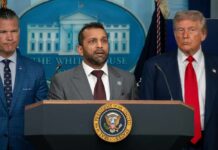
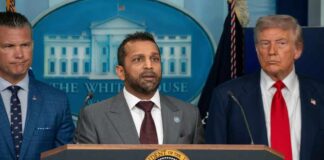
President Donald Trump publicly dismissed demands to remove Homeland Security Secretary Kristi Noem after deadly enforcement-related unrest in Minnesota. Trump said “No” when asked about firing Noem and praised her performance, while also calling for a “fair and honorable” investigation into the incidents. The White House posture signals a familiar Trump approach: defend an aggressive border posture, but insist federal actions—especially those involving use of force—must be scrutinized and justified under law.
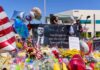
Trump’s defense of Noem comes as the controversy widened beyond partisan sniping into a test of public trust. Reports cited two fatal shootings involving federal agents during Minnesota protests linked to immigration enforcement actions. The victims were identified as Alex Pretti, described as a 37-year-old armed nurse, and Renee Nicole Good, described as a 37-year-old mother. Those deaths intensified calls from Democrats—and some Republicans—for leadership changes at DHS, even as Trump emphasized process over panic.
Deadly Minnesota Incidents Drive Operational Changes, Not a Leadership Purge
The administration’s response included changes that look like damage control and chain-of-command tightening rather than capitulation. Trump met privately with Noem for hours, then shifted oversight by sending border czar Tom Homan to Minnesota and recalling Border Patrol commander Gregory Bovino. The moves suggest the White House wanted clearer supervision of on-the-ground decisions. For voters demanding both strong enforcement and constitutional guardrails, the key question is whether these changes prevent repeat incidents without weakening border policy.
Trump also signaled that tactics may be adjusted without changing the mission. In a subsequent interview, he said the administration may need a “softer touch” in enforcement and ordered the withdrawal of 700 federal agents from Minnesota. The withdrawal indicates recognition that public order operations can become politically and legally combustible, especially after civilian deaths.
Watch;
https://www.youtube.com/watch?v=c_mjFgW3Nx4
Impeachment Pressure Centers on Civil Liberties and Oversight Disputes
Democratic lawmakers escalated the conflict by pushing impeachment-related actions and demanding Noem’s removal. Their allegations included claims of warrantless arrests, excessive force against citizens, and violations of First and Fourth Amendment protections, along with accusations that DHS blocked congressional access to detention facilities. Those are serious assertions on paper because they implicate constitutional limits on federal power. The available research, however, summarizes accusations more than it provides adjudicated findings, leaving the factual record dependent on investigations still underway.
Border Enforcement vs. Constitutional Boundaries: The Fight Inside the Fight
Noem’s defenders argue that the underlying problem is the chaos created by years of lax enforcement and politicized messaging that encourages illegal immigration—conditions that can turn routine operations into flashpoints. Trump’s position tries to hold both ideas at once: maintain a “strongest border” posture while promising an investigation that treats lethal incidents as unacceptable and subject to review, not as collateral damage.
NEW: President Trump says he won't remove DHS Secretary Kristi Noem:
"Why would I do that? We have the strongest border in the history of our country." pic.twitter.com/KH3XKQq3hG
— Fox News (@FoxNews) February 5, 2026
The current dispute is a reminder that competence matters as much as conviction. Trump’s refusal to remove Noem may reassure voters who want consistency at DHS, but it also raises the bar for transparency. A “fair and honorable” investigation must clarify rules of engagement, chain-of-command decisions, and accountability measures. Without clear answers, the controversy will continue to fuel impeachment theatrics and distrust in federal power.
Sources:
Trump Dismisses Calls to Remove DHS Chief Noem
Trump says he will not remove Homeland Security chief Noem
Horsford Calls for DHS Secretary Kristi Noem’s Removal and Signs Articles of Impeachment