
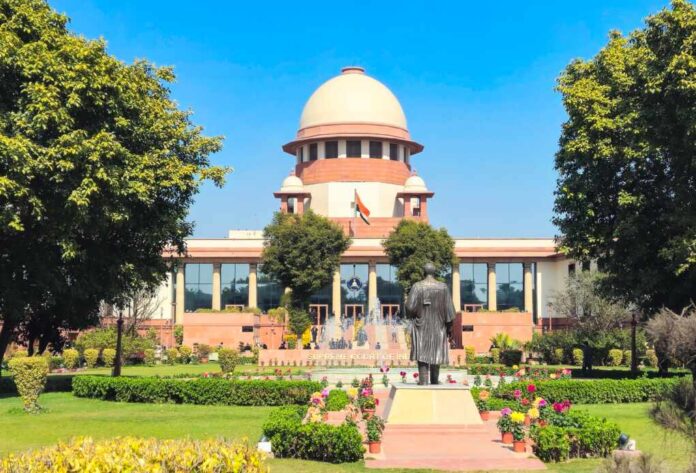
The Supreme Court of India has rejected the bail pleas for activists Umar Khalid and Sharjeel Imam, accused of central roles in the 2020 Delhi riots conspiracy. This decision, made under the stringent conditions of the Unlawful Activities (Prevention) Act (UAPA), underscores a harsh application of anti-terror law that mandates pre-trial detention if a prima facie case exists. While five co-accused were granted bail for subordinate roles, the ruling has provoked strong criticism from civil rights advocates, who argue that prolonged detention suppresses protest and violates fundamental rights, setting the stage for continued legal and political tension.
Story Highlights
- The Supreme Court denied bail for Umar Khalid and Sharjeel Imam, citing their alleged central roles in a conspiracy.
- Five co-accused received bail, indicating a hierarchy of participation in the alleged riots.
- Critics argue the decision reflects excessive pre-trial detention, raising concerns about civil liberties.
- The ruling underscores the harsh application of the UAPA, affecting activism and protest rights.
Supreme Court Ruling and UAPA’s Stringent Application
On January 5, 2026, the Supreme Court of India rejected bail pleas for Umar Khalid and Sharjeel Imam, accused of central roles in the 2020 Delhi riots conspiracy. The charges fall under the Unlawful Activities (Prevention) Act (UAPA), which imposes strict bail conditions. While five co-accused were granted bail for subordinate roles, the court highlighted the alleged primary involvement of Khalid and Imam.
The UAPA mandates that bail cannot be granted if a prima facie case exists, a principle the court upheld by emphasizing the gravity of the allegations. The decision has sparked criticism from civil rights advocates, who argue that prolonged pre-trial detention violates fundamental rights and suppresses protest movements.
Terrorists Umar Khalid and Sharjeel Imam have been denied bail by the Supreme court. He will now remain in Jail for 1 more year under UAPA. All the money used to do paid PR by using Zohran Mamdani and 10 Democrat Law makers in the USA to pressurise India for his Bail goes vain. pic.twitter.com/T0pjzH8dBd
— Ganesh (@me_ganesh14) January 5, 2026
Background of the 2020 Delhi Riots Case
The 2020 Northeast Delhi riots were marked by communal violence amidst protests against the Citizenship Amendment Act (CAA). The prosecution alleges a premeditated conspiracy, with Khalid and Imam accused of orchestrating the events leading to the violence. The arrests followed speeches and alleged planning activities, positioning the two as key conspirators.
Despite their claims of protest rights and absence during the riots, the Delhi Police charged them under the UAPA, leading to a prolonged legal battle. The case underscores the challenges activists face when accused of anti-national activities, especially under stringent anti-terror laws like the UAPA.
Implications and Community Reactions
The Supreme Court’s ruling has significant implications. In the short term, Khalid and Imam’s continued detention places pressure on the prosecution to expedite witness examinations. Long-term effects could include a chilling impact on activism, as the decision reinforces the high bail threshold under the UAPA.
Communities and stakeholders are divided. While nationalist groups view the ruling as a victory for justice, others see it as an erosion of civil liberties. The case has reignited debates over the CAA and the government’s handling of dissent, illustrating the broader social and political tensions in contemporary India.
Watch the report: Why Supreme Court denied bail to Umar Khalid and Sharjeel Imam
Sources:
- No bail for Umar Khalid, Sharjeel Imam for a year? Here is what the court said
- Live Updates: Supreme Court on Umar Khalid & Sharjeel Imam’s Bail Plea