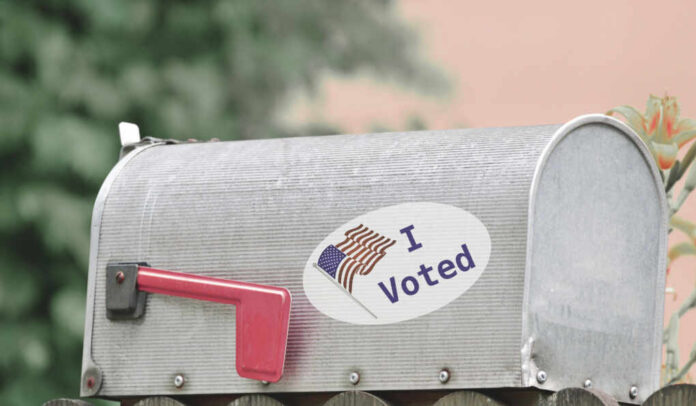
California’s mail‑heavy primary system is once again turning Election Night into Election Week, raising serious questions about transparency, trust, and who really benefits from days of drifting vote totals.
Story Snapshot
- State law now bakes long counting windows into every California election, making “no result on Election Night” the new normal.
- Universal mail ballots, seven‑day postmark rules, and extended canvass periods virtually guarantee slow, shifting tallies.[1]
- Research shows delayed results measurably weaken voter trust, especially in close, high‑stakes contests.
- Officials defend the delays as a “feature,” while voters across the spectrum increasingly see them as an embarrassing weakness.
Built‑In Delays: How California Turned Election Night Into a Long Waiting Game
California’s leaders have deliberately designed an election system where quick, decisive results are almost impossible, especially in competitive primaries that shape control of Congress and statewide offices.[1] Every registered voter is automatically mailed a ballot, and any ballot postmarked by Election Day can arrive up to seven days later and still be counted, guaranteeing that the real universe of votes is unknown when polls close.[1] That structural choice virtually eliminates clear election‑night outcomes in tight races and keeps citizens guessing for days.
State law then gives county election officials a lengthy canvass period to process, verify, and tally these late‑arriving and problem ballots. The California Secretary of State explains that counties have up to thirty days to complete counting and conduct required audits before certification, a timeline that makes slow counting not an error but official policy. As a result, even with newer rules aimed at speeding things up, experts still warn that some races can take weeks to resolve, particularly where margins are narrow.[1]
Mail‑Heavy Rules, Postal Warnings, and Moving Targets
Officials and media outlets openly acknowledge that California’s heavy reliance on mail ballots is a central reason results drag on.[1] News coverage before recent primaries has cautioned voters that final tallies in key races may not be known for days, specifically because so many ballots arrive by mail near or after Election Day.[1] To cope with United States Postal Service delays, election officials have repeatedly urged voters—especially in rural areas—to mail ballots early or use drop boxes and vote centers instead, warning that last‑minute mail could arrive late or lack a clear postmark.[2][4]
These warnings themselves reveal how fragile the system has become, hinging on mail timing, postmarks, and back‑office processing rather than a straightforward in‑person count.[2][4] Media reports describe how officials tell voters not to “rely on the mail” in the final days if they want their vote safely counted, an admission that the very mechanism the state has elevated—universal vote‑by‑mail—can become a bottleneck and point of failure.[4] Meanwhile, turnout data show many Californians still hold onto their mail ballots until the last moment, further front‑loading the workload into the days after polls close.[5]
Officials Call It a ‘Feature’ as Voter Trust Takes the Hit
Election administrators and some commentators defend the long count as the necessary price of access and accuracy, stressing that time is needed to verify signatures and ensure only valid ballots are tallied.[1] In public explanations, they argue that slow counting is a sign the system is working, not that anything nefarious is occurring, and that processing safeguards—like curing signature mismatches or handling same‑day registrations—inevitably extend the timeline.[1] From their perspective, patience is simply part of twenty‑first‑century elections.
Academic research, however, shows that these extended counting periods come with a real cost to public confidence. A peer‑reviewed study finds that when voters are told to expect longer‑than‑normal counting, trust in the election drops significantly, especially when results change over time as late ballots are added. California’s pattern fits that script perfectly: initial Election Night leads shrink or flip as days of mail‑ballot updates roll in, leaving many citizens—on the right and left—wondering why the world’s leading constitutional republic cannot finish counting its votes promptly.
A National Outlier: Sluggish Counting Criticized Across the Spectrum
California’s slow‑motion vote reporting has drawn criticism not just from conservatives but from media and political figures across the spectrum who label it “sluggish” and “embarrassing.” Coverage has highlighted how, cycle after cycle, major races remain undecided long after other states with more traditional systems have produced clear winners. Commentators note that the combination of universal mail ballots, permissive grace periods, and complex verification rules makes California one of the last states in the nation to finish counting, even though it has vast resources.[1]
The state has begun experimenting with small tweaks—such as allowing voters to bring their mailed ballot to a vote center and have it treated as an in‑person ballot—to cut down on the post‑election backlog, shaving several days off processing in pilot counties.[1] But the core architecture remains the same: a long postmark window, mass mail voting, and a canvass period that can run a full month.[1] For many Americans, especially constitutional conservatives who value transparency and timely accountability, that structure looks less like modernization and more like a slow‑motion invitation to cynicism.
Sources:
[1] Web – Banana Republic by Mail: Why We Probably Won’t Know Outcomes of CA’s …
[2] Web – Expect longer vote tallying to delay California’s primary results
[4] YouTube – mail ballots early to avoid USPS postmark delays
[5] Web – Still Need to Mail Your Primary Ballot? Don’t Rely on USPS, Officials …