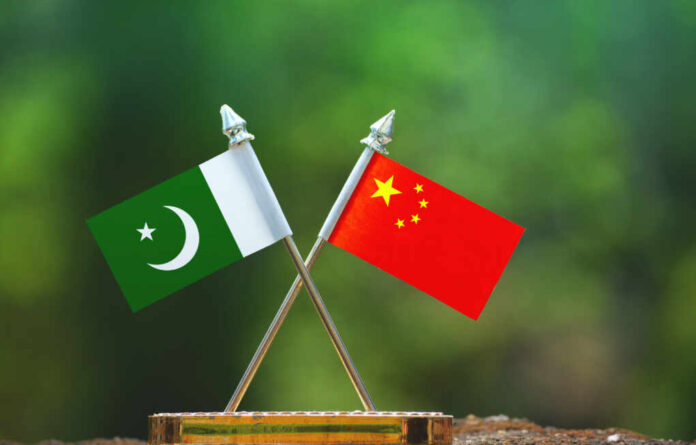
In a move that underscores the evolving dynamics of its strategic relationship with China, Pakistan has institutionalized specialized security forces, such as the Special Protection Unit (SPU), to guard Chinese nationals and the vast infrastructure of the China–Pakistan Economic Corridor (CPEC). While a direct response to persistent militant attacks—particularly from Baloch separatists—this arrangement is exceptional in its scale. The units reflect the depth of Beijing’s strategic leverage and investment in Pakistan, but they also ignite domestic debate over national sovereignty, the prioritization of foreign interests, and the country’s enduring security challenges.
Story Highlights
- Pakistan forms specialized security units to protect Chinese nationals.
- The initiative responds to militant attacks on Chinese citizens and projects.
- China’s strategic influence over Pakistan continues to grow.
- These units highlight security challenges within Pakistan.
Pakistan’s Special Protection Units for Chinese Nationals
In recent years, Pakistan has established specialized security units such as the Special Protection Unit (SPU) in Punjab to safeguard Chinese nationals and projects tied to the China–Pakistan Economic Corridor (CPEC). These units are a direct response to escalating attacks by Baloch separatists and other militants targeting Chinese workers and engineers. The SPUs are better trained and equipped, working alongside the army and paramilitary forces to provide layered security around key sites.
China’s leverage as Pakistan’s key strategic partner has driven these security measures. The creation of these units reflects the depth of the China–Pakistan strategic partnership and highlights the risks surrounding CPEC. This arrangement is unique for a developing country, where a foreign-focused protection force operates on such a large scale. It underscores the intersection of counter-terrorism, great-power competition, and domestic insurgency challenges.
Pakistan and China have decided to join hands in security and defence cooperation, including developing joint tactics against terror proxies like Pakistan is fighting against Indian backed proxies i.e. BLA. pic.twitter.com/H7oU2yLzN6
— AM Raad (@Raad_Pak) January 6, 2026
Historical Context and Strategic Ties
The China–Pakistan relationship dates back to 1951, evolving into a robust strategic partnership. Over the decades, China has become Pakistan’s largest defense supplier, collaborating on projects like the JF-17 fighter jet and the Al-Khalid tank. This alliance deepened post-9/11, expanding into joint exercises and intelligence sharing. The CPEC, launched in 2015, aims to invest billions in infrastructure, making it a cornerstone of China’s Belt and Road Initiative and critical to Pakistan’s economic strategy.
The need for specialized security units became apparent after high-profile militant attacks like the 2018 Karachi consulate attack and the 2021 Dasu hydropower project bombing. These incidents prompted China to pressure Pakistan for more robust security measures to protect its nationals and strategic investments.
Current Developments and Challenges
Pakistan has institutionalized these special protection arrangements as permanent structures within its security architecture. Despite these efforts, attacks on Chinese nationals persist, revealing security gaps in remote and urban areas. Resource constraints, training issues, and intelligence failures continue to challenge the effectiveness of these units.
While these units provide enhanced security for Chinese workers, they also raise concerns over Pakistan’s dependency on China and the prioritization of foreign interests over domestic needs. The heavy emphasis on protecting Chinese nationals may fuel debates about sovereignty and perceived preferential treatment.
Watch the report: EXCLUSIVE: Chinese ‘Inner’ Posts In Pakistan: Islamabad’s New Commitments To Beijing | News18
Sources:
- Pakistan setting up ‘special protection unit’ for security of Chinese nationals
- Pakistan Creates Special Security Unit To Protect Chinese Citizens Amid A Rise In Attacks
- Pakistan announces protection unit for Chinese nationals working on CPEC – The Economic Times