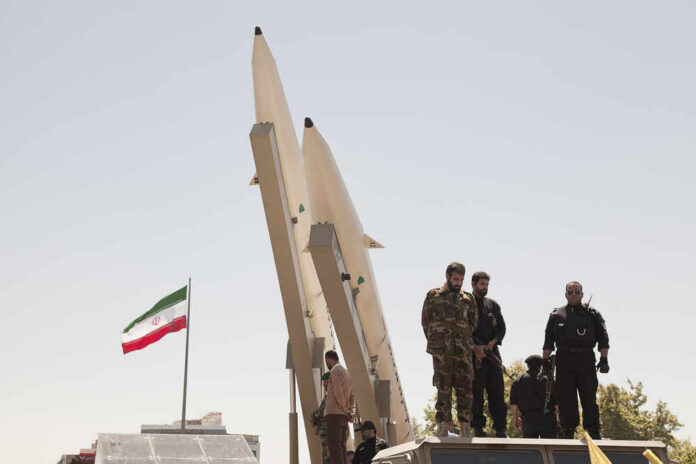
The Trump administration just imposed sanctions on over 30 entities fueling Iran’s shadow weapons empire, exposing a global network that prioritizes ballistic missiles over the basic needs of the Iranian people.
Story Snapshot
- Treasury Department sanctions over 30 targets tied to Iran’s illicit oil sales and weapons procurement networks
- Action targets Iran’s “shadow fleet” smuggling oil to fund IRGC ballistic missile and UAV programs
- Nine entities in Iran, Turkey, and UAE sanctioned for supplying precursor chemicals and machinery for weapons
- Treasury Secretary Bessent vows maximum pressure on regime prioritizing weapons over Iranian citizens’ welfare
Shadow Fleet Finances Weapons of Terror
The Treasury Department’s Office of Foreign Assets Control sanctioned over 30 individuals, entities, and vessels operating Iran’s shadow fleet in early 2026. These networks generate revenue through illicit petroleum sales that directly fund the Islamic Revolutionary Guard Corps and the Ministry of Defense and Armed Forces Logistics. The sanctions represent the fourth round of nonproliferation designations under President Trump’s National Security Presidential Memorandum 2, building on over 875 similar actions taken in 2025. This coordinated effort aims to sever the financial pipelines enabling Iran’s destabilizing activities across the Middle East.
Procurement Networks Span Multiple Countries
Nine specific individuals and entities across Iran, Turkey, and the United Arab Emirates face designation for their roles in procuring materials essential to Iran’s weapons programs. These networks supply precursor chemicals and specialized machinery to the Defense Industries Organization, which manufactures components for ballistic missiles, advanced conventional weapons, and unmanned aerial vehicles. The interconnected nature of these procurement channels demonstrates how Iran exploits international commerce and financial systems to circumvent existing restrictions. Treasury officials identified these enablers as critical nodes in sustaining the regime’s military capabilities despite comprehensive U.S. embargoes dating back to 1979.
US Treasury Sanctions 14 Targets For Helping Iran Obtain Weapons https://t.co/eG0tYGp0kC
— zerohedge (@zerohedge) April 22, 2026
Maximum Pressure Strategy Intensifies
Treasury Secretary Scott Bessent stated the administration will continue applying maximum pressure on Iran to target the regime’s weapons capabilities, which have been prioritized over the lives of ordinary Iranians. The 2025 sanctions surge coincided with Iran’s continued nuclear non-compliance, triggering UN sanctions reimposition on September 27, 2025. This latest action builds upon Executive Orders 13382, 13902, and 13949, which target weapons of mass destruction proliferators, Iranian economic sectors, and conventional arms transfers. The comprehensive approach blocks U.S. assets and prohibits transactions with designated parties, with restrictions extending to any entity where sanctioned actors hold 50 percent or greater ownership.
Regime Priorities Reveal Troubling Reality
The sanctions illuminate a disturbing pattern: Tehran channels resources into weapons development and proliferation to regional proxies while Iranian citizens struggle with economic hardship. Iran’s IRGC Aerospace Force Self Sufficiency Jihad Organization, first designated in 2017 for ballistic missile activities, continues receiving support through these clandestine networks. The regime’s calculated choice to fund missile programs, advanced weaponry, and terror operations instead of addressing domestic needs exposes the true nature of Iran’s leadership. This disconnect between government priorities and citizen welfare reflects a broader problem many Americans recognize in their own government—leaders more focused on maintaining power than serving the people who elected them.
The Trump administration’s escalating economic pressure campaign demonstrates a willingness to confront threats that previous administrations either ignored or inadequately addressed. By simultaneously targeting oil revenue streams and weapons procurement channels, these sanctions attack the financial foundation of Iran’s regional aggression. Whether this maximum pressure approach ultimately forces behavioral change or simply constrains the regime’s capabilities remains an open question. What’s clear is that business as usual—allowing shadowy international networks to fund ballistic missiles and terror proxies—no longer serves American national security interests or the cause of peace in the Middle East.
Sources:
Treasury Targets Iran’s Shadow Fleet, Networks Supplying Ballistic Missile and ACW Programs
Treasury sanctions 30 individuals, entities for enabling illicit Iranian petroleum sales
U.S. announces sanctions against companies, people tied to Iranian weapons
US Treasury Sanctions Over 30 Entities Supporting Iran’s Weapons