

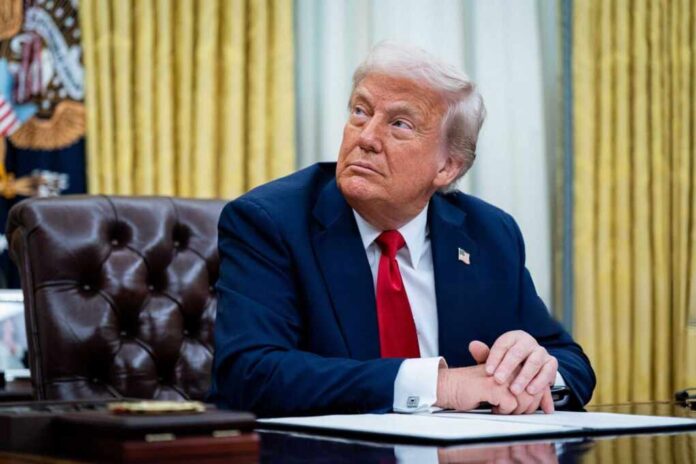
Hamas is flatly denying it ever agreed to disarm—even as President Trump asserts the terror group is “likely” to give up its weapons, putting Phase Two of his Gaza peace plan on a collision course. While Phase One centered on hostage releases, Phase Two raises the stakes with the core demand for demilitarization and a technocratic governance structure. The public contradiction between Washington’s optimism and a senior Hamas official’s blunt denial sharpens doubts about whether the peace process can enforce this new red line.
Story Highlights
- President Trump and envoy Steve Witkoff say Hamas will disarm as Phase Two of a 20-point Gaza peace plan begins.
- Senior Hamas official Musa Abu Marzouk publicly insists Hamas “never agreed to disarm,” directly contradicting U.S. messaging.
- Phase One centered on hostages and prisoner exchanges; Phase Two raises the stakes with demilitarization and a technocratic governance structure.
- Washington is expected to set a disarmament deadline soon, increasing pressure on Hamas and testing whether the ceasefire holds.
Phase Two Raises the Bar From Hostages to Demilitarization
Phase Two of the Gaza process shifts from humanitarian triage to hard security requirements. Phase One focused on a ceasefire framework built around hostage releases and prisoner exchanges, with Hamas expected to turn over remaining hostages, living and deceased. Phase Two adds the core demand Israel has insisted on since October 7: Gaza cannot be run by an armed terrorist organization. That demilitarization requirement is now the make-or-break test.
President Trump reinforced that pressure publicly, saying Hamas “looks like” it will disarm, while his special Middle East envoy Steve Witkoff projected certainty, arguing Hamas has “no choice” but to give up weapons. Those public declarations matter because they set expectations for allies, markets, and the international “Board of Peace” reconstruction concept. They also raise the political cost of failure if Hamas continues to resist or stall.
As the US moves to launch phase two of the Gaza ceasefire, we look at how Israel's deadly violations has seen them fall short on phase one – and why the deal with Hamas is advancing anyway. pic.twitter.com/BSckLw1z1H
— Al Jazeera English (@AJEnglish) January 28, 2026
Hamas Publicly Contradicts Washington on Whether Disarmament Was Ever Agreed
Hamas is not speaking in diplomatic riddles. Senior official Musa Abu Marzouk said the group never agreed to disarm and claimed the issue had not even been raised directly with them. He questioned whether the U.S. and its partners could achieve at the negotiating table what, in Hamas’s framing, could not be achieved by force during the conflict. That blunt denial undercuts the administration’s optimism and sharpens doubts about leverage.
Reporting around the October 2025 timeline adds context to the dispute. Hamas signaled it would release hostages and accept a handoff of day-to-day administration to Palestinian technocrats, but it did not publicly concede disarmament at that stage. That gap is central because it determines whether Phase Two is enforcing a known condition or introducing a new red line after the fact. Available sources do not show Hamas affirmatively accepting disarmament during earlier steps.
A Technocratic Committee May Bypass Hamas on Paper, Not in Practice
A new technocratic governance arrangement is intended to move Gaza away from Hamas rule without immediately rebuilding the old status quo. A 15-member committee led by Ali Shaath, a former Palestinian Authority deputy minister, has been described as a vehicle for administration and reconstruction while sidelining Hamas. Hamas, however, has indicated it still wields influence, including a de facto veto over appointments. That reality complicates any plan that assumes clean institutional separation.
For conservatives who watched years of international bodies and “process” politics deliver more slogans than security, the governance question is not academic. If Hamas can retain real control while outsourcing paperwork to technocrats, demilitarization becomes a slogan rather than a safeguard. The sources available also indicate an International Stabilization Force concept depends on disarmament progress, meaning the security architecture hinges on the same point Hamas is disputing.
Deadlines, Leverage, and the Risk of a Stalled Peace Plan
The next pressure point is timing. President Trump issued a public ultimatum in January, warning Hamas to disarm and release remaining hostage remains within weeks or face swift consequences. Reports also indicate Washington is expected to announce a disarmament deadline soon. A clear deadline can force decisions, but it also creates a binary moment: either Hamas complies, negotiates an alternative arrangement acceptable to Israel, or the process hits a wall.
Some reporting suggests Hamas has floated a conditional idea—handing weapons to a Palestinian governing authority rather than to international forces—rather than agreeing to full surrender under external supervision. That is not the same as disarmament, but it signals there may be negotiating space if the parties define enforceable control and inspection mechanisms. What remains uncertain from the available sources is whether private assurances exist beyond public statements, or whether the contradiction is simply unresolved.
Watch the report: Gaza Ceasefire: Truce Move To Second Phase As Remains Of Last Hostage Return
Sources:
- Hamas Doubles Down on Refusal to Disarm as Trump Pushes Phase Two Gaza Peace Plan
- Hamas emerges as ‘ultimate spoiler’ in Gaza plan as Trump insists terror group will disarm
- Donald Trump claims Hamas set to disarm as Gaza peace process moves forward