States are bypassing sluggish federal bureaucrats and taking direct action to protect American families from dangerous chemical additives poisoning our food supply.
Story Highlights
- Over 35 states introduced 93 bills targeting harmful food additives in 2025, accelerating the MAHA health agenda
- West Virginia, Texas, and Louisiana lead charge with sweeping bans on synthetic dyes and preservatives in schools
- Bipartisan momentum builds as both conservative and liberal states prioritize children’s health over corporate profits
- Food manufacturers scramble to comply with patchwork regulations after decades of federal inaction
State Leadership Fills Federal Void
Conservative and liberal states alike are stepping up where federal agencies have failed, enacting comprehensive food safety measures that prioritize American families over Big Food lobbying. West Virginia’s school meal ban on synthetic dyes and preservatives took effect August 1, 2025, with a full manufacturing ban scheduled for 2028.
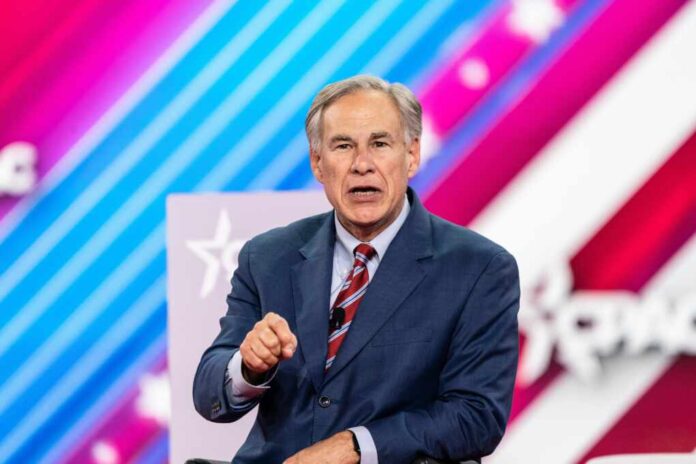
Texas Governor Greg Abbott signed legislation requiring warning labels on foods containing 44 specified harmful ingredients, effective January 2027. These decisive actions demonstrate what happens when elected officials actually serve their constituents instead of corporate interests.
Watch: US vs. The Rest of the World’s Ingredients Part I
MAHA Initiative Catalyzes Nationwide Movement
HHS Secretary Robert F. Kennedy Jr.’s “Make America Healthy Again” initiative has provided the scientific backbone and political momentum for state-level reforms. The MAHA report directly links chemical additives in ultra-processed foods to chronic diseases plaguing American children, finally giving parents the ammunition they need to demand change. This represents a fundamental shift from the failed federal approach of trusting industry self-regulation to state-led protection of public health and constitutional principles of federalism.
Louisiana Governor Jeff Landry signed comprehensive legislation banning 15 additives in school meals while mandating QR code disclosures on food packaging and restaurant menus. Minnesota is considering pioneering phthalate disclosure requirements, potentially becoming the first state to tackle these endocrine-disrupting chemicals. The breadth of state action reflects growing frustration with FDA’s broken “Generally Recognized as Safe” process that has allowed dangerous chemicals to flood American food for decades.
Industry Pushback Reveals Corporate Priorities
Food manufacturers and trade associations are scrambling to lobby for federal preemption, desperately trying to maintain their profitable chemical addiction business model. Industry groups complain about compliance costs and regulatory fragmentation, but their real fear is accountability to American consumers who deserve clean food. This coordinated corporate resistance mirrors previous fights against tobacco regulation and environmental protection, proving once again that industry priorities directly conflict with family health and safety.
Constitutional Federalism Delivers Results
State-led food safety reform demonstrates the power of federalism when federal agencies become captured by special interests. California’s 2023 Food Safety Act pioneered state bans on Red Dye No. 3 and other toxic additives, proving states can effectively regulate interstate commerce affecting public health. This approach respects constitutional principles while delivering tangible protection for American families, especially children in school settings who cannot escape institutional food systems.
The economic implications extend beyond compliance costs to fundamental questions about corporate responsibility and consumer rights. Manufacturers may standardize products to meet the strictest state requirements, effectively creating nationwide reforms through market forces rather than federal mandates. This bottom-up approach aligns with conservative principles of limited federal government while achieving health outcomes that protect American families from chemical exposure linked to chronic disease epidemics.
Sources:
State Food Additives Bans – Gardner Law
State Food Policy Heat Wave – Saul Ewing
Food Law in the States: 2025 Update – National Agricultural Law Center
MAHA and Blue States Get Behind Food Additive Bills – Center for Health Law and Policy Innovation