The UN Secretary-General calls for diplomacy while Iran blocks international nuclear inspectors and stockpiles enough weapons-grade uranium for multiple bombs, exposing a dangerous pattern where Tehran manipulates global institutions while racing toward nuclear capability.
Story Snapshot
- Iran has denied IAEA inspectors access to nuclear sites since June 2025 Israel-US strikes while accumulating 60% enriched uranium stockpile
- UN Secretary-General Guterres urges negotiations despite Iran’s continued defiance and rejection of international oversight obligations
- European powers triggered sanctions snapback in August 2025, but Russia and China support Iran’s resistance to accountability
- Trump administration continues indirect talks through Oman while maintaining strike threats against Iran’s nuclear facilities
Iran Blocks Inspectors While Building Nuclear Arsenal
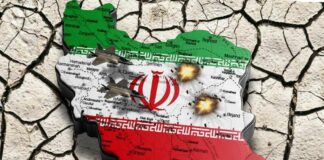
Iran has systematically denied International Atomic Energy Agency inspectors access to sensitive nuclear facilities since the June 2025 military strikes by Israel and the United States targeted sites including Fordow. The IAEA confirms Iran maintains a stockpile of uranium enriched to 60 percent purity, approaching the 90 percent threshold required for nuclear weapons. This material quantity could theoretically support production of approximately ten nuclear devices, yet international monitors remain locked out from verifying Iran’s activities or intentions at bombed locations.
UN Diplomacy Enables Tehran’s Defiance
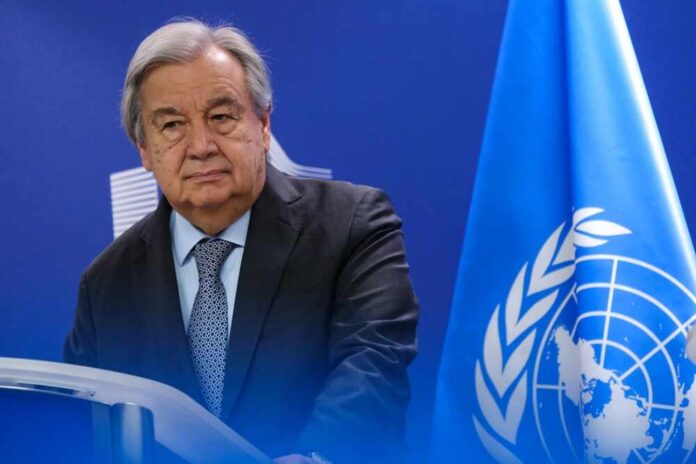
UN Secretary-General António Guterres responded to the 2025 strikes by lamenting that military action “squandered diplomacy,” urging all parties to return to negotiations. His February 2026 statements at Security Council debates emphasized de-escalation and adherence to the UN Charter, positioning the organization as neutral mediator. This approach frustrates those who recognize Iran’s pattern of exploiting diplomatic cover while advancing prohibited programs. Tehran signed an IAEA cooperation agreement in Cairo on September 9, 2025, only to immediately violate it by maintaining inspector lockouts, demonstrating how regime promises mean nothing without enforcement mechanisms that weak international bodies refuse to implement.
Sanctions Dispute Reveals Global Division
The European trio of Britain, France, and Germany notified the UN Security Council on August 28, 2025, of Iran’s non-compliance with the 2015 nuclear agreement, triggering a snapback mechanism under Resolution 2231 that theoretically reimposed all previous sanctions after 30 days elapsed on September 28. Iran, Russia, and China reject this action as legally invalid, arguing the resolution expired in October 2025 and citing European bad faith for complying with prior US sanctions. French Ambassador Jérôme Bonnafont insists Iran must comply with obligations for regional peace, while Iranian representatives denounce the European notification as procedurally flawed and motivated by Western dominance rather than genuine nuclear concerns.
Trump Maintains Pressure Despite Stalled Talks
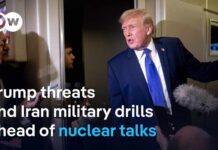
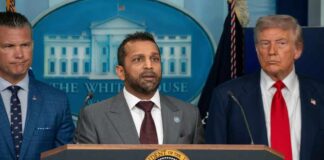
President Trump’s administration joined the June 2025 Israeli operation targeting Iranian nuclear infrastructure and continues threatening additional strikes if Tehran advances toward weaponization. Indirect negotiations through Oman persist into 2026, though Trump publicly stated he remains “not happy” with progress while keeping options open for further diplomatic rounds. Iran refuses to abandon uranium enrichment, viewing such concessions as threats to sovereignty and Islamic Republic identity. This impasse leaves the Trump administration balancing military deterrence against slim prospects for negotiated resolution, as Iranian hardliners entrench their position and the 2015 agreement remains effectively dead following Trump’s correct 2018 withdrawal from that flawed Obama-era capitulation.
Constitutional Concerns and American Interests
Iran’s nuclear defiance directly threatens American security interests and constitutional obligations to provide for the common defense. A nuclear-armed Iran would destabilize the Middle East, embolden terrorist proxies like Hezbollah and Hamas, and create existential risks for Israel, America’s closest regional ally. The weakening of UN Security Council enforcement mechanisms through Russian and Chinese obstruction demonstrates why American sovereignty must never be subordinated to international bodies that lack will to confront rogue regimes. President Trump’s willingness to use military force when diplomacy fails protects American citizens from future Iranian aggression, contrasting sharply with previous administrations that trusted empty promises and strengthened adversaries through weakness.
Sources:
Why Iran resists giving up its nuclear program, even as Trump threatens strikes – Los Angeles Times
Iran nuclear programme: Guterres urges diplomacy over military action – UN News
UN Sanctions on Iran: Back in Force or Gone for Good? – Opinio Juris
What Is the Iran Nuclear Deal? – Council on Foreign Relations