A new directive from the Trump administration aims to hold federal prosecutors accountable for what President Trump has called their “ineffectiveness,” igniting a debate over their independence and the pace of high-priority cases. This move, which includes aggressive crackdowns on fraud and significant funding cuts to states, highlights the growing tension between the executive branch and career prosecutors within the Department of Justice.
Story Highlights
- President Trump criticized federal prosecutors at a White House event for their lack of effectiveness.
- The administration’s focus is on accelerating prosecutions related to fraud and other priorities.
- Recent actions have included significant funding cuts to states suspected of harboring fraud.
- Tensions rise between the executive branch and career prosecutors over priorities and independence.
Trump’s Criticism of Federal Prosecutors
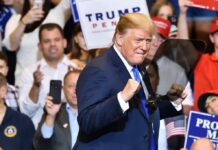
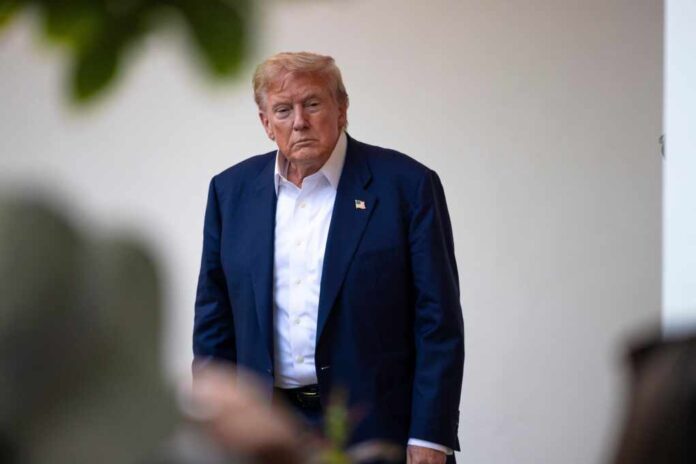
On January 8, 2026, President Donald Trump openly criticized federal prosecutors at a White House event, accusing them of being ineffective and slow in prosecuting cases that align with his administration’s priorities. This public rebuke, witnessed by dozens of U.S. attorneys during a ceremonial photo shoot, highlights the ongoing tension between the executive branch and career prosecutors. Trump’s comments reflect his administration’s frustration with the pace of legal actions, particularly in matters involving fraud and corruption.
Exclusive: President Trump blasted a group of U.S. attorneys at a White House event last week, complaining they weren't moving fast enough to prosecute his favored targets https://t.co/0WMdjw9GND
— The Wall Street Journal (@WSJ) January 13, 2026
Background on Fraud Crackdown
The Trump administration has intensified efforts to combat fraud within federal programs, particularly in states like Minnesota, which has been a focal point due to large-scale fraud schemes. These efforts involve surging prosecutors to affected areas, deploying forensic teams, and cutting significant funding to states where fraud is suspected. The administration’s actions are part of a broader strategy to dismantle fraud networks and protect federal resources from misuse, aligning with conservative values of fiscal responsibility and government accountability.
Political and Social Implications
The administration’s aggressive stance has led to political and social ramifications, with allegations of xenophobia due to the Somali descent of many defendants in Minnesota. Republicans argue that these actions are necessary to uphold the law and protect taxpayer money, while Democrats criticize the measures as discriminatory and politically motivated. The issue has also sparked debate over the independence of federal prosecutors and their role in balancing career responsibilities with administration directives.
The tension between the Trump administration and federal prosecutors is emblematic of broader challenges facing the DOJ as it navigates high-stakes investigations and political pressures. As the administration pushes for centralized control over fraud enforcement, the potential for reshaping the DOJ’s structure and influence over future prosecutions remains a significant concern for both prosecutors and the public.
Watch the report: ‘The office is shaken’: Ex-DOJ official reacts to wave of resignations at Trump’s Justice Department
Sources:
- Trump Criticizes Federal Prosecutors for Being Weak: WSJ
- Trump Blasted Federal Prosecutors at White House Event, Calling Them Weak – WSJ
- Trump rages at ‘weak’ prosecutors inside fiery White House meeting as he fumes over
internal betrayal | Daily Mail Online