The United States military has quietly quadrupled surveillance flights off Cuba’s coast since early February, deploying the same spy aircraft playbook it used just before intervening in Venezuela’s 2019 crisis.
Story Snapshot
- Over 25 specialized US intelligence flights tracked off Cuba since February 4, 2026, using P-8A Poseidon maritime patrol planes, RC-135V Rivet Joint signals aircraft, and MQ-4C Triton drones
- Flight surge mirrors the 50% increase in surveillance missions conducted before US support for Venezuelan opposition leader Juan Guaidó in 2019
- Cuba hosts upgraded Russian intelligence facilities and has welcomed Chinese port investments, creating a geopolitical flashpoint 90 miles from Florida
- Pentagon labels operations “routine” while Cuban Foreign Minister Bruno Rodríguez condemns flights as illegal provocations
- Aviation tracking data reveals 4-6 weekly missions continuing through May 2026, with no interceptions or hostile responses reported
History Repeating Itself in Caribbean Waters
CNN’s analysis of publicly available flight tracking data reveals a pattern anyone familiar with recent Latin American history should recognize immediately. Between 2018 and 2019, US surveillance flights off Venezuela jumped dramatically as Washington prepared to throw its weight behind opposition forces challenging the Maduro regime. Those missions preceded aid drops, diplomatic pressure, and ultimately failed coup attempts. The current Cuba surge follows an eerily similar trajectory, with more than 25 specialized intelligence-gathering sorties logged since early February operating just outside Cuban territorial waters in international airspace.
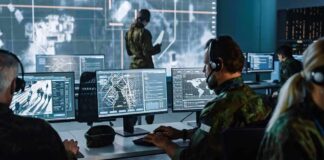
The aircraft roster reads like a greatest hits compilation of America’s spy plane fleet. P-8A Poseidon maritime patrol aircraft scan surface vessels and submarines. RC-135V Rivet Joint planes hoover up electronic signals and communications. MQ-4C Triton drones orbit at altitudes exceeding 50,000 feet, capturing high-resolution imagery for days at a stretch. Each mission costs US taxpayers roughly $10,000 per hour in operational expenses. The Pentagon maintains these flights comply with international law, conducted entirely outside Cuba’s exclusive economic zone. Cuban officials disagree vehemently, with Foreign Minister Rodríguez publicly protesting what Havana calls sovereignty violations.
Cold War Ghosts and Modern Threats Converge
US aerial surveillance of Cuba stretches back to the 1959 Revolution, reaching its most dangerous peak during the 1962 Missile Crisis when U-2 spy planes photographed Soviet nuclear installations. President Obama’s normalization efforts between 2014 and 2016 cooled tensions temporarily, reducing flight frequencies. That détente evaporated as Havana Syndrome incidents afflicted US diplomats starting in 2016, mysterious attacks still lacking definitive explanation. Russia’s 2022 invasion of Ukraine accelerated Cuba’s pivot back toward Moscow, with Wagner Group forces making port visits in 2023 and Russian intelligence facilities receiving substantial upgrades according to declassified US intelligence assessments.
China’s expanding footprint compounds Washington’s security calculus. Beijing has invested heavily in Cuban port infrastructure, raising Pentagon concerns about potential dual-use facilities capable of supporting military operations. The 2023 Chinese spy balloon incidents heightened awareness of adversary surveillance capabilities operating uncomfortably close to American shores. Cuba’s catastrophic economic crisis throughout 2024 and 2025, marked by nationwide blackouts and surging migration flows toward Florida, created additional instability. A Trump administration adopting hardline stances toward communist regimes would naturally view this convergence of Russian military presence, Chinese investment, and domestic Cuban chaos as requiring intensive monitoring.
Reading the Intelligence Tea Leaves
Evan Ellis from the US Army War College told reporters the flight pattern “mirrors the Venezuela playbook, suggesting intelligence preparation for potential coercion.” His assessment carries weight given his specialized focus on Latin American security dynamics. William LeoGrande from American University acknowledges the missions are legally defensible but warns they risk recreating 1962-style confrontation scenarios absent diplomatic channels to manage misunderstandings. The data-driven approach using open-source aviation tracking provides unusual transparency into typically classified military operations, allowing independent verification through platforms like ADS-B Exchange and Flightradar24.
Aviation enthusiasts and analysts tracking these flights note the consistent 4-6 weekly mission tempo maintained through May 2026. No Cuban military aircraft have attempted interceptions, and no hostile fire incidents have occurred, suggesting Havana recognizes the futility of challenging American air superiority. Russian submarines potentially deploying to Cuban waters represent the likeliest escalation scenario, though none have been publicly confirmed. Market analysts noted minor ripples, with oil prices ticking up 2% following the CNN report and defense contractor stocks like Boeing gaining 1-2% on speculation about increased operational tempos.
Strategic Signaling or Operational Necessity
The Pentagon’s “routine operations” characterization strains credibility when flight data shows such obvious intensification from baseline levels. Whether classified as routine or extraordinary, these missions serve clear strategic messaging functions. They demonstrate American capability and resolve to monitor adversary activities in the Western Hemisphere. They signal to Moscow and Beijing that their Cuban activities occur under constant observation. They potentially lay intelligence groundwork for future operations, whether diplomatic pressure campaigns, sanctions enforcement, or more direct intervention scenarios nobody wants to contemplate.
US Spy Flights Surge On Cuba, Mimicking Pre-Venezuela Action https://t.co/4g5SpoAcHt
— Brian Craig 🇺🇸 (@BrianCraigShow) May 11, 2026
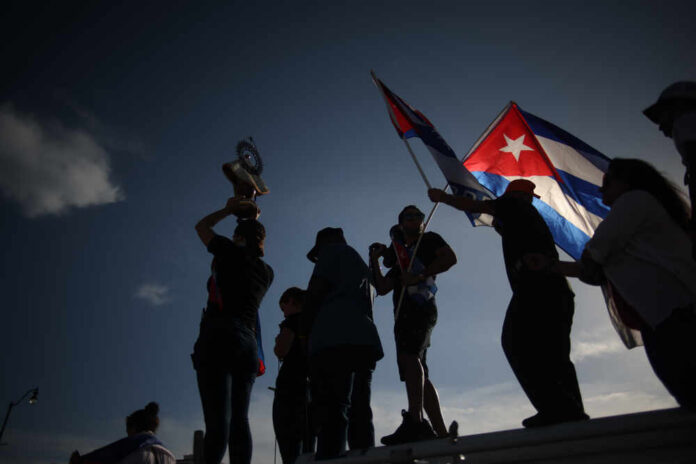
Cuban civilians bear the psychological burden of living beneath this aerial chess game, while American taxpayers fund operations whose full scope and objectives remain classified. Venezuelan exiles watching these developments harbor hopes that sustained pressure on Cuba might finally crack the communist governance model that has endured six decades of American opposition. The flights continue daily, their transponders broadcasting positions for anyone with internet access to monitor, a curious transparency in an otherwise opaque domain where satellites, submarines, and signals intelligence operate far from public scrutiny.
Sources:
Trump’s Cuba Surge: Why This Military Buildup Is a Signal – AInvest
Is the US Ramping Up Surveillance Flights Near Cuba? – Times Now News