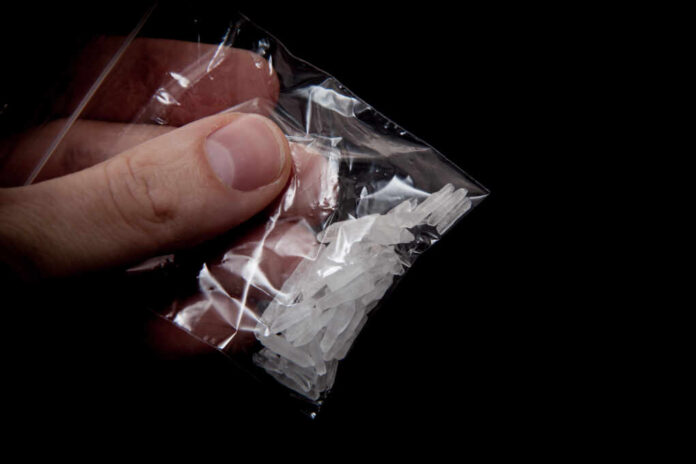
A small-town Ohio bank drive-thru became the scene of an unusual drug bust after an alert teller found suspected methamphetamine inside a pneumatic tube canister. This bizarre case—where an Ohio man was later arrested on drug charges—is more than a funny headline. It highlights a painful truth: heartland communities are still battling a serious meth and addiction crisis, a reality many feel has been exacerbated by years of lenient, big-city crime policies that failed to address the source of the problem.
Story Highlights
- Ohio man allegedly sent suspected meth through a Woodsfield bank’s drive-thru tube and was later arrested on drug charges.
- Alert bank tellers followed protocol, contacted deputies, and helped get more suspected narcotics off the street.
- The bizarre case highlights how rural America still battles meth and addiction after years of failed big-city, lenient crime approaches.
- Local law enforcement, not federal bureaucracy, once again did the real work of keeping a community safe.
Drive-Thru Deposit Turns Into Drug Bust In Rural Ohio
In Woodsfield, the Monroe County seat in Appalachian Ohio, a routine drive-thru banking errand reportedly turned into a drug investigation when a teller opened the pneumatic tube canister and found a plastic packet holding a white crystalline substance. Bank employees, trained to treat such discoveries as potential narcotics, secured the packet and immediately called the Monroe County Sheriff’s Office, turning an everyday financial chore into a textbook example of how frontline workers can help protect their communities.
Deputies responded to the bank, recovered the suspected methamphetamine, and used bank records and standard investigative tools to identify the customer tied to that particular drive-thru transaction. Once they located the suspect, a 46-year-old Monroe County man later identified in secondary coverage as Jason Smith, officers reportedly searched his vehicle and discovered additional suspected narcotics. That sequence—from tube to teller to deputy—shows how quickly local law enforcement can move when businesses take suspicious activity seriously.
Ohio man accidentally sent meth through tube at bank drive-thru: police https://t.co/X6eIdeCsK8 pic.twitter.com/RIZmrAgkwv
— New York Post (@nypost) December 9, 2025
What Happened After Deputies Seized The Suspected Meth
After the traffic-style encounter away from the bank, deputies placed the suspect under arrest on drug-related charges linked to the suspected meth found both in the drive-thru canister and in his vehicle. Local coverage describes him as now facing formal counts that will be handled through the Monroe County courts, with the prosecutor determining whether possession rises to felony levels under Ohio’s Schedule II meth laws. There is no widely reported sentencing yet, suggesting the case is proceeding through normal rural court channels.
Local radio and talk outlets quickly picked up the story, branding it a “you can’t make this up” moment where a man effectively tried to “deposit meth at the bank.” That framing leans into the absurdity, but beneath the humor sits a harder reality that conservative readers know too well: small communities in states like Ohio are still paying the price for years of national complacency on drugs, porous borders, and cartel trafficking. Even when Washington changed hands, local deputies are still left cleaning up the human wreckage one arrest at a time.
Meth, Rural Communities, And The Cost Of Past Policy Failures
Monroe County sits in a region hammered for decades by addiction, first opioids and now meth, as global cartels exploited lax border security and inconsistent enforcement to push cheap, potent product into forgotten towns. For many readers, this bizarre bank-tube episode is less a joke and more a snapshot of what happens when families, churches, and honest employers are forced to live alongside a drug culture that earlier administrations talked about but never truly stopped at the source. The end result lands in drive-thrus, parking lots, and school zones across the heartland.
Ohio classifies methamphetamine as a tightly controlled substance carrying serious penalties, but too often, the conversation in national media turns toward normalizing drug use or treating enforcement as the problem. Conservatives see it differently: when someone allegedly carries meth to the bank, every law-abiding customer and teller is put at risk. That is why many in Trump country support tougher action against cartels, stricter border controls, and judges who balance treatment with accountability rather than defaulting to endless second chances for repeat offenders.
Why This Case Resonates With Law-And-Order Conservatives
For Trump-supporting readers who watched years of “defund the police” rhetoric and soft prosecution in blue cities, the Woodsfield case is a reminder of what still works in America: a local bank refusing to look the other way, deputies answering the call, and a county prosecutor ready to pursue charges. No federal task force, no bloated bureaucracy—just neighbors protecting neighbors. That model lines up squarely with conservative values of local control, personal responsibility, and clear consequences when lines are crossed.
At the same time, the story underlines the importance of strengthening families, churches, and community institutions so fewer people fall into addiction in the first place. Many conservatives can hold two thoughts at once: meth is destroying lives and must be policed aggressively, and addicts who truly want to change should have access to faith-based and community-centered recovery rather than being lost in federal programs that spend billions without fixing the underlying crisis. One small-town bank tube just made that national debate feel very close to home.
Watch the report: When Cops Catch Alleged Drug Dealers in The Drive-thru
Sources:
Ohio man sent meth through bank’s drive-thru air tube: Police
Meth mistakenly sent through bank drive-thru leads to arrest in Woodsfield
Ohio man accidentally sends meth through bank’s air tube, sheriff says
Ohio man arrested after mistakenly sending meth through bank drive-thru