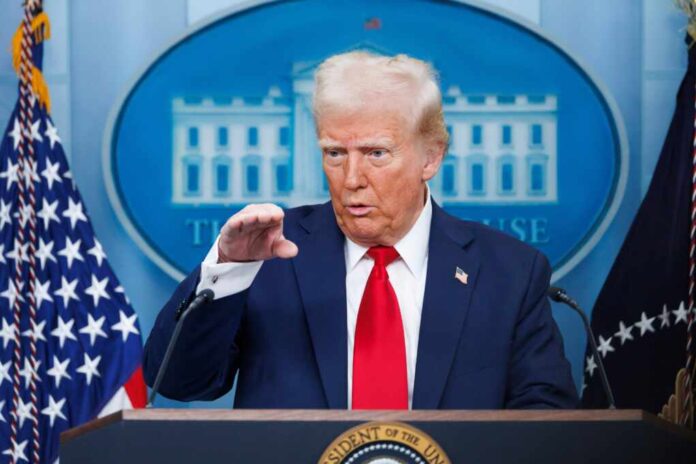
A new federal initiative in Minneapolis threatens local autonomy, inciting debate over immigration enforcement. The ongoing conflict recently reached a turning point as President Donald Trump engaged in direct talks with Mayor Jacob Frey and Governor Tim Walz. This engagement has led to a partial de-escalation, including the withdrawal of some federal agents, following a period of unrest and the fatal shooting of two protesters. Border Czar Tom Homan is scheduled to meet with Mayor Frey today to negotiate a path forward, signaling a potential shift in federal immigration enforcement strategy toward balancing national policy with local governance.
Story Highlights
- Trump describes a “very good” call with Minneapolis Mayor Jacob Frey amid immigration enforcement tensions.
- Federal agents are withdrawing from Minneapolis as a de-escalation measure.
- Border Czar Tom Homan is set to meet Mayor Frey to discuss ongoing operations.
- Local leaders demand an end to what they see as unconstitutional federal actions.
Trump’s Strategic Engagement with Local Leadership
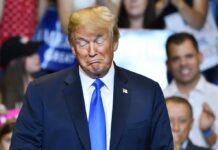
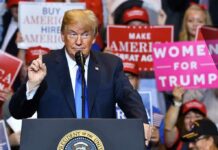
President Donald Trump has taken a decisive step by initiating direct talks with Minneapolis Mayor Jacob Frey. The conversation, which Trump described as “very good,” comes amid ongoing protests and unrest over federal immigration enforcement operations. Trump emphasized “lots of progress” in their discussions, signaling a potential shift from previous criticisms of local leadership. This move aligns with his broader strategy of asserting federal control while opening dialogue with local officials.
The call also included discussions with Minnesota Governor Tim Walz, further underscoring the administration’s focus on addressing local leaders’ concerns. Trump’s announcement that Border Czar Tom Homan will meet with Mayor Frey represents a significant step in ongoing negotiations. The meeting, scheduled for January 27, aims to address the controversial “Operation Metro Surge” and explore pathways to reduce federal presence, as requested by local authorities.
“I just had a very good telephone conversation with Mayor Jacob Frey, of Minneapolis. Lots of progress is being made! Tom Homan will be meeting with him tomorrow in order to continue the discussion. Thank you for your attention to this matter!” – PRESIDENT DONALD J. TRUMP pic.twitter.com/vonJcCaW2s
— The White House (@WhiteHouse) January 26, 2026
Local Resistance and Federal Withdrawal
Mayor Frey has expressed cautious optimism following the calls, emphasizing the need to end what he describes as unconstitutional arrests. The federal withdrawal of some agents, set to begin on January 27, marks a de-escalation of tensions. This decision comes after federal agents fatally shot two protesters, Alex Pretti and Renee Good, during clashes linked to immigration operations. The shootings have intensified protests, spotlighting the ongoing conflict between federal enforcement and local governance.
Despite Trump’s positive tone, the White House remains critical of local rhetoric, suggesting it hampers effective law enforcement. Frey and Governor Walz have called for state-led investigations into the shootings, highlighting their commitment to protecting local interests and maintaining constitutional rights.
Implications for Immigration Enforcement and Policy
As the situation unfolds, the implications for future immigration enforcement and policy are significant. The federal government’s willingness to negotiate with local leaders may set a new precedent for how immigration operations are conducted in sanctuary cities. However, the meeting between Homan and Frey could reignite tensions if federal strategies are perceived as overreaching.
The ongoing dialogue and partial withdrawal indicate a potential shift in federal immigration tactics, balancing enforcement with local autonomy. This development will undoubtedly influence the broader political landscape, especially with the 2026 midterms approaching, where issues of immigration and federalism will play critical roles.
Watch the report: Trump Says He Had “Good Calls” With Mayor Frey, Tim Walz as WH Demands MN Give Up Criminal Migrants
Sources:
- Trump hails ‘lots of progress’ after call with Minneapolis Mayor Frey
- Trump has ‘very good’ call with Minneapolis Mayor Frey, announces border czar Homan meeting
- Trump softens tone on immigration, praises Minneapolis Mayor in phone call